
Häufige Betrügereien in Phuket: Wie Sie diese als Tourist erkennen und vermeiden
Die gängigen Betrügereien in Phuket, von Jet-Ski- und Tuk-Tuk-Tricks bis hin zu Edelstein-, Timeshare- und Bar-Rechnungs-Abzocken, mit Warnsignalen, Tipps zur Vermeidung und der Hotline 1155.
Thailand Stuff Editorial Team
Researched and fact-checked against on-the-ground prices and reputable data · 10 Aug 2026 · 20 Min. Lesezeit

Häufige Betrügereien in Phuket: Wie Sie diese als Tourist erkennen und vermeiden
Phuket ist eines der sichersten und freundlichsten Reiseziele am Strand in Asien, und die überwiegende Mehrheit der Aufenthalte verläuft völlig problemlos. Dennoch gibt es eine kleine, wohlbekannte Gruppe von Maschen in Phuket, auf die Tourates Jahr für Jahr hereinfallen, und fast jede davon lässt sich leicht umgehen, sobald man weiß, wie sie funktioniert. Dieser Leitfaden führt Sie durch die Klassiker, von der berüchtigten Forderung nach Jet-Ski-Schäden über Tuk-Tuk-Überpreise, die Umleitung mit der Behauptung "die Attraktion ist geschlossen", Edelstein- und Schneider-Tricks, Roller-Kautionen, gefälschte Bar-Rechnungen, ATM-Skimming bis hin zur Masche mit dem freundlichen Fremden. Für jeden Fall erklären wir, wie er funktioniert, woran Sie ihn erkennen, wie Sie ihn genau vermeiden und was Sie tun können, wenn es doch passiert, einschließlich der Hotline der Touristenpolizei 1155. Lesen Sie dies einmal vor dem Abflug, und Sie werden diese Tricks meilenweit im Voraus erkennen.
Ist Phuket sicher, und wie große Sorgen sollten Sie sich machen?
Ja. Phuket ist im Allgemeinen sehr sicher für Touristen, und Gewaltverbrechen gegen Besucher sind selten. Die Betrügereien hier sind opportunistischer und finanzieller Natur, anstatt gefährlich zu sein, und sie konzentrieren sich auf die belebtesten Touristenorte, wo eine große Anzahl von Erstbesuchern ein leichtes Ziel darstellt. Die richtige Einstellung ist ruhige Wachsamkeit statt Angst. Sie müssen nicht jeden freundlichen Einheimischen mit Misstrauen behandeln, denn die meisten Menschen, denen Sie begegnen, sind genau so herzlich und hilfsbereit, wie sie wirken. Was Sie jedoch brauchen, ist ein Grundwissen über eine Handvoll gängiger Betrugsmaschen, die Gewohnheit, Preise vorab zu vereinbaren, und die Entschlossenheit, sich vor Ort zu keiner Entscheidung drängen zu lassen.
Sowohl die U.S. Embassy in Thailand als auch das UK Foreign, Commonwealth and Development Office veröffentlichen genau aus diesem Grund kurze Informationsseiten zum Thema Betrug: Die Risiken sind vorhersehbar und vermeidbar. Die Reisehinweise der kanadischen Regierung schlagen denselben pragmatischen Ton an und heben Klein- und Touristenkriminalität hervor, anstatt etwas Bedrohlicherem. Mit anderen Worten: Kommen Sie, um die Strände und das Essen zu genießen, behalten Sie in ein paar spezifischen Situationen einen klaren Kopf, und Sie werden fast mit Sicherheit mit nichts Schlimmerem als einem Sonnenbrand nach Hause zurückkehren.
Häufige Betrügereien in Phuket auf einen Blick
Hier ist das gesamte Repertoire in einer einzigen Tabelle, damit Sie es schnell überfliegen können. Lesen Sie anschließend die Details zu jeder Masche, die Ihnen Sorgen bereitet. Wenn Sie sich nur eine einzige Regel merken, dann diese: Lassen Sie niemals Ihren Reisepass als Kaution zurück und lassen Sie sich von niemandem dazu drängen, für einen Schaden zu zahlen, den Sie nicht verursacht haben.
| Betrug | Wie es funktioniert | Wie man es vermeidet |
|---|---|---|
| Jet-Ski-Schaden | Günstiger Verleih, dann die Forderung nach Tausenden von Baht für "neue" Kratzer | Filmchen Sie das Gerät vorher, nutzen Sie einen seriösen Anbieter, lassen Sie niemals Ihren Pass da |
| Tuk-Tuk- oder Taxi-Überpreis | "Das Taxameter ist kaputt", überhöhte Festpreise | Vereinbaren Sie den Preis zuerst oder bestehen Sie auf dem Taxameter oder nutzen Sie Grab |
| Attraktion ist geschlossen | Der Fahrer behauptet, ein Ort sei geschlossen, und leitet Sie zu Provisionsshops um | Prüfen Sie offizielle Öffnungszeiten und lehnen Sie den Umweg ab |
| Edel- und Schmucksteine | "Sonderverkauf", der Mythos vom gewinnbringenden Wiederverkauf, wertlose Steine | Kaufen Sie niemals Edelsteine zum Wiederverkauf und ignorieren Sie unaufgeforderte Angebote |
| Schneider "Suit Centre" | Tuk-Tuk-Umweg zu einem Schneider, überstürzte Billiganzüge | Ignorieren Sie Empfehlungen von Fahrern und wählen Sie einen bewerteten Schneider selbst aus |
| Timeshare oder Rubbellos | "Sie haben einen Preis gewonnen", hochdruckgeladene Präsentation | Opfern Sie Ihren Tag nicht für einen "Preis" und unterschreiben Sie niemals vor Ort |
| Roller-Kaution | Ansprüche wegen bereits vorhandener Schäden, Einbehaltung des Reisepasses | Fotografieren Sie den Roller, hinterlassen Sie eine Kopie statt des Originalpasses, nutzen Sie einen seriösen Verleih |
| Bar-Rechnung und Bar-Damen-Getränke | Aufgeblähte Rechnungen, teure Drinks für das Personal | Preise prüfen, Quittungen aufbewahren, pro Runde zahlen |
| Geldautomaten und Kartenskimming | Skimming-Geräte, versteckte Kameras, falsches Wechselgeld | Nutzen Sie Geldautomaten in Banklobbys, verdecken Sie die PIN, zählen Sie Ihr Wechselgeld nach |
| Falsche Tickets und freundlicher Fremder | Gefälschte Tickets, Ablenkungsteams, die "Woher kommst du?"-Eröffnung | Buchen Sie offiziell oder online und bleiben Sie gegenüber zu freundlichen Fremden höflich misstrauisch |
Die Jet-Ski-Schadensmasche

Der Jet-Ski-Betrug ist Phukets berüchtigtster Touristentrick und folgt einem festen Drehbuch. Sie mieten einen Jet-Ski am Strand zu einem attraktiven Preis, genießen Ihre Fahrt, und bei der Rückgabe inspiziert der Betreiber das Gefährt und "findet" frische Kratzer, einen Rumpfriss oder einen gefluteten Motor, den angeblich Sie verursacht haben. Sie werden dann unter Druck gesetzt, manchmal aggressiv und unter Ansammlung einer Menschenmenge, einige Tausend bis Zehntausend Baht für den "Schaden" zu zahlen. Da der Anbieter oft Ihren Reisepass oder Ausweis einbehält und die Konfrontation einschüchternd wirken soll, zahlen viele Besucher einfach, um die Situation zu beenden.
Die Warnsignale sind ein extrem niedriger Startpreis, ein überhasteter Verleih mit vagen Regeln und jede Aufforderung, den Reisepass als Sicherheit zu übergeben. Die U.S. Embassy weist darauf hin, dass Jet-Ski- und Roller-Betrügereien am häufigsten in beliebten Strandzielen wie Phuket und Pattaya vorkommen und dass Vermieter häufig Ihren Reisepass fordern. Um dies zu vermeiden, machen Sie vor der Fahrt ein langsames, detailliertes Video des gesamten Wasserfahrzeugs, das jeden vorhandenen Kratzer und Makel zeigt, und bringen Sie den Anbieter nach Möglichkeit im Video dazu, den Zustand zu bestätigen. Noch besser: Bitten Sie Ihr Hotel, einen etablierten Wassersportanbieter zu empfehlen, anstatt sich direkt am Strand einen Verleih zu suchen. Geben Sie Ihren Reisepass niemals als Kaution ab. Soll dennoch eine Schadensersatzforderung erhoben werden, bleiben Sie ruhig, zahlen Sie eine strittige Summe nicht vor Ort und rufen Sie die Touristenpolizei unter der Nummer 1155 an, um zu vermitteln, bevor Geld den Besitzer wechselt.
Tuk-Tuk- und Taxi-Überpreise sowie "das Taxameter ist kaputt"
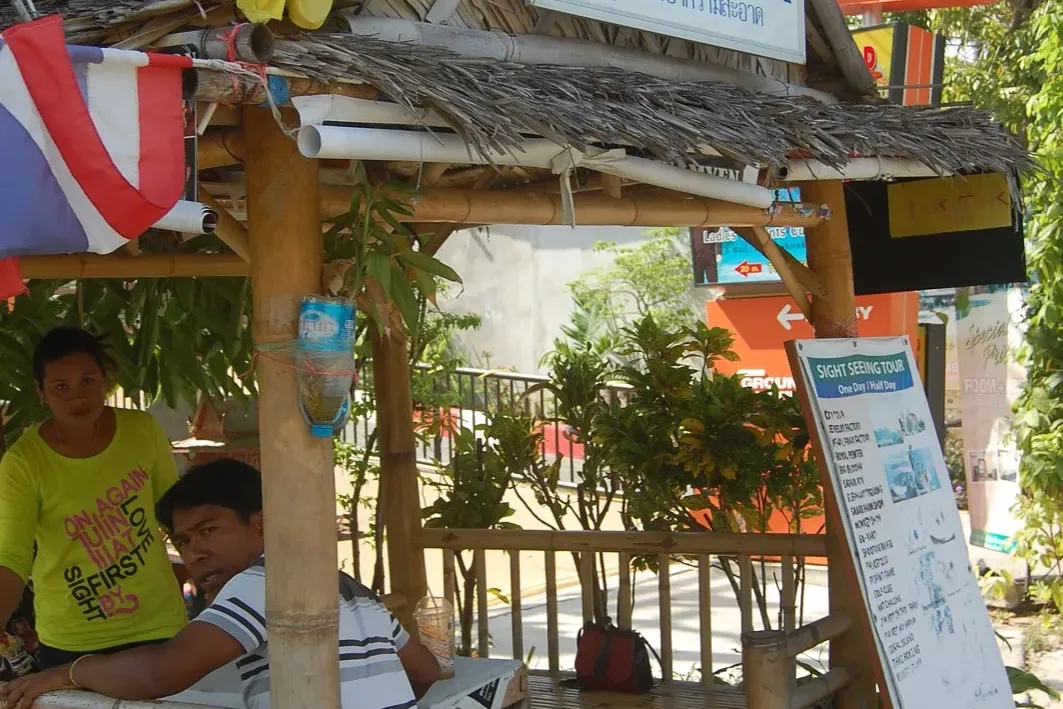
Der Transport ist der Bereich, in dem die meisten Besucher auf ihren ersten Betrug in Phuket stoßen, und dabei geht es meist um den Preis statt um Gefahr. Taxifahrer mit Taxameter sind gesetzlich verpflichtet, dieses zu nutzen, aber ein Fahrer erzählt Ihnen vielleicht, es sei "kaputt", und nennt einen Pauschalpreis, der doppelt oder dreimal so hoch ist wie der faire Tarif. Tuk-Tuks in Phuket sind berüchtigt für hohe Preise und nutzen fast nie ein Taxameter, weshalb für eine kurze Strecke, die wenig kosten sollte, ein hoher Betrag genannt wird, besonders spät in der Nacht oder vor Nachtclubs. Flughafentransfers sind ein klassischer neuralgischer Punkt, bei dem Fahrer, die vor dem Ankunftsbereich warten, müden Neugestarteten überhöhte Festpreise nennen.
The Lösung ist einfach: Vereinbaren Sie den vollen Fahrpreis laut, bevor Sie einsteigen, oder bestehen Sie auf dem Taxameter. Wenn der Fahrer sich weigert, gehen Sie zum nächsten. Die Mitfahr-App Grab erspart Ihnen das Feilschen völlig, da ein Festpreis im Voraus angezeigt wird, und sie ist auf der ganzen Insel weit verbreitet. Unser Leitfaden zu Fortbewegung in Phuket mit Taxi, Tuk-Tuk und Grab schlüsselt realistische Preise für jede Option auf, und wenn Sie am Flughafen landen, lesen Sie Vom Flughafen nach Patong, damit Sie den gängigen Tarif kennen, bevor Ihnen jemand einen "Sonderpreis" anbietet. Den Preis im Voraus zu kennen, ist die beste Verteidigung gegen Übervorteilung.
Die Umleitung mit "Die Attraktion ist heute geschlossen"
Diese Masche verwandelt einen hilfsbereit wirkenden Fahrer in einen auf Provision arbeitenden Verkäufer. Sie bitten einen Tuk-Tuk- oder Taxi-Fahrer, Sie zu einem Tempel, Aussichtspunkt, Pier oder zum Big Buddha zu bringen, und der Fahrer erklärt Ihnen, dieser Ort sei heute wegen eines Feiertags, einer privaten Zeremonie oder Reinigungsarbeiten geschlossen. Als "Gefallen" bietet er stattdessen an, Sie zu einer günstigen Tour zu anderen Sehenswürdigkeiten zu fahren. Diese Tour endet zuverlässig in Edelsteinläden, Schneidereien, Souvenirläden oder einem Timeshare-Büro, wo der Fahrer für alles, was Sie kaufen, eine Provision kassiert und Sie einen Nachmittag verlieren.
Das Warnsignal ist jede unaufgeforderte Behauptung, Ihr gewähltes Ziel sei geschlossen, besonders wenn dies mit einem sofortigen alternativen Plan einhergeht. Große Sehenswürdigkeiten in Phuket haben verlässliche Öffnungszeiten und schließen selten ohne Ankündigung. Überprüfen Sie offizielle Öffnungszeiten daher selbst, anstatt sich auf das Wort eines Fremden zu verlassen. Wenn ein Fahrer darauf beharrt, dass ein Ort geschlossen ist, danken Sie ihm, steigen Sie aus, prüfen Sie es selbst oder fragen Sie das Personal in Ihrem Hotel. Lehnen Sie jede "kostenlose" oder verdächtig günstige Tour, um die Sie nicht gebeten haben, höflich ab. Ein ehrlicher Fahrer bringt Sie einfach dorthin, worum Sie gebeten haben, per Taxameter oder zu einem vereinbarten Fahrpreis.
Edelstein-, Schneider- und Schmuckbetrug
Der Edelsteinbetrug ist einer der ältesten Vertrauensstricke Thailands, und während er meist mit Bangkok in Verbindung gebracht wird, taucht er auch in den Touristenzonen Phukets auf. Wie in Wikipedias Übersicht zum Edelsteinbetrug beschrieben, wird das Zielobjekt, oft über einen freundlichen Fremden oder einen umleitenden Fahrer, zu einem Schmuckgeschäft geführt, das einen "speziellen Regierungsverkauf" oder eine eintägige steuerfreie Werbeaktion durchführt. Ihnen wird erzählt, Sie könnten Edelsteine günstig kaufen und sie zu Hause mit großem Gewinn weiterverkaufen. Die Steine sind wertlos oder völlig überteuert, der Wiederverkaufsmarkt existiert nicht, und der versprochene Gewinn materialisiert sich niemals.
Die Schneider-Version funktioniert auf dieselbe Weise. Der thailändische Schneiderbetrug beginnt typischerweise damit, dass eine freundliche Person oder ein Tuk-Tuk-Fahrer maßgeschneiderte Kleidung von guter Qualität zu Preisen anbietet, die zu schön scheinen, um wahr zu sein, und nach Vorauszahlung überstürzte, schlecht verarbeitete Anzüge liefert. Die Regel für beide lautet schlicht: Kaufen Sie niemals Edelsteine oder Schmuck als Investition und akzeptieren Sie niemals eine Einkaufs-"Empfehlung", die von einem Fahrer oder einem Fremden stammt, der Sie angesprochen hat. Wenn Sie wirklich einen Anzug wollen, wählen Sie selbst einen gut bewerteten Schneider aus, vereinbaren Sie Spezifikation und Preis schriftlich und lassen Sie sich von niemandem drängen. Seriöse Geschäfte lassen Ihnen gerne die nötige Zeit.
Timeshare- und "Sie haben einen Preis gewonnen"-Rubbellose
In den belebten Resort-Streifen von Patong, Kata und Karon werden Sie vielleicht von jemandem angesprochen, oft einem anderen Ausländer, der Ihnen erzählt, Sie hätten einen Preis bei einer Club-Verlosung gewonnen, oder Ihnen ein Rubbellos reicht, das sich als sofortiger "Gewinner" entpuppt. Um den Preis einzulösen, müssen Sie nur an einer kurzen Präsentation teilnehmen. Diese Präsentation ist ein aggressives Timeshare- oder Club-Verkaufsgespräch, das Stunden dauern kann und darauf ausgelegt ist, Ihnen eine hohe Kaution oder eine Unterschrift zu entlocken, bevor Sie gehen.
Die Warnsignale sind unaufgeforderte "Glückwünsche", ein Preis, für den Sie sich nie beworben haben, und jedes Angebot, das verlangt, dass Sie an einem Treffen teilnehmen oder Kreditkartendaten herausgeben, um es abzuholen. Die Verteidigung besteht darin, jeden unerwarteten Preis als Verkaufsmasche zu behandeln, denn genau das ist er. Opfern Sie keinen Nachmittag Ihres Urlaubs für ein Rubbellos, geben Sie keine Details über Ihre Unterkunft preis und unterschreiben Sie niemals am selben Tag einen Vertrag oder zahlen Sie eine Kaution. Nichts Seriöses verlangt von Ihnen, sofort Geld zu binden oder das "Angebot" zu verlieren. Ein bestimmtes, freundliches "Nein danke" und ein Schritt in die entgegengesetzte Richtung beenden die Sache.
Betrug bei der Schadenskaution für Roller- und Motorradverleih
Das Mieten eines Roller ist eine der besten Möglichkeiten, die Insel zu erkunden, aber eine Minderheit von Verleihern betreibt einen Kautionsbetrug. Wenn Sie das Motorrad zurückgeben, weist der Vermieter auf Kratzer, Dellen oder Schrammen hin, behauptet, Sie hätten diese verursacht, und verlangt eine hohe Summe für Reparaturen. Oft wird dabei der Pass, den Sie als Kaution hinterlassen haben, so lange einbehalten, bis Sie zahlen. Da der "Schaden" oft schon vor Ihrer Miete vorhanden war und Ihr Pass festgehalten wird, ist der Druck zur Einigung enorm.
Das britische Außenministerium (UK FCDO) sagt ausdrücklich, dass Sie Ihren Reisepass nicht als Garantie an Motorrad- oder Jet-Ski-Verleiher übergeben sollten, da Unternehmen Pässe gegen angebliche Schadensrechnungen einbehalten können. Machen Sie daher vor der Fahrt Fotos und Videos des Rollers aus allen Winkeln, halten Sie jeden vorhandenen Kratzer mit Zeitstempel fest und bieten Sie nach Möglichkeit eine Fotokopie Ihres Reisepasses oder eine Kaution in bar anstelle des Originaldokuments an. Mieten Sie bei einem etablierten, gut bewerteten Geschäft statt an einem anonymen Straßenstand und lesen Sie unseren Leitfaden zum Thema Wie man in Phuket sicher einen Roller mietet hinsichtlich Papierkram, Versicherung und Führerscheinregeln, die Sie auch vor Ärger mit der Polizei bewahren. Gute Dokumentation macht falsche Schadensansprüche fast unmöglich aufrechtzuerhalten.
Aufgeblähte Bar-Rechnungen, "Bar-Damen-Getränke" und Tricks auf der Bangla Road

Phukets Nachtleben ist für viele Besucher ein Highlight und macht meist großen Spaß, aber einige Lokale blähen die Rechnung auf. Zu den gängigen Versionen gehört das Hinzufügen von Getränken oder Runden, die Sie nicht bestellt haben, das Nennen eines Preises und Berechnen eines anderen sowie das Ermutigen zum Kauf teurer "Bar-Damen-Getränke" für das Personal, dessen einzige Aufgabe darin besteht, Ihre Ausgaben hochzuhalten. Auf der Bangla Road in Patong werden Sie eventuell auch von einem Anwerber in eine Bar gelockt, der eine kostenlose Show verspricht, und am Ende mit einer überraschenden Eintrittsgebühr oder einer aufgeblähten Rechnung konfrontiert.
Nichts davon ist schwer zu vermeiden. Fragen Sie vor der Bestellung nach dem Preis der Getränke, behalten Sie Ihre laufende Rechnung im Auge, bezahlen Sie pro Runde anstatt eine lange Rechnung offen zu lassen, und bewahren Sie Ihre Quittungen auf. Wenn ein Anwerber eine "kostenlose" Show oder ein verdächtig günstiges Angebot macht, um Sie hineinzulocken, gehen Sie von einem Haken aus und prüfen Sie das Menü sowie eventuelle Einlassgebühren, bevor Sie sich setzen. Unser Leitfaden für Einen Abend in Patong beschreibt das Viertel ehrlich, und es lohnt sich, die Regeln für den Alkoholverkauf und buddhistische Feiertage zu kennen, damit Sie nicht an Tagen überrascht werden, an denen Bars legal keinen Alkohol ausschenken dürfen. Ein klarer Kopf und eine kontrollierte Rechnung sind Ihre besten Freunde nach Einbruch der Dunkelheit.
Geldautomaten, Kartenskimming und Tricks mit falschem Wechselgeld
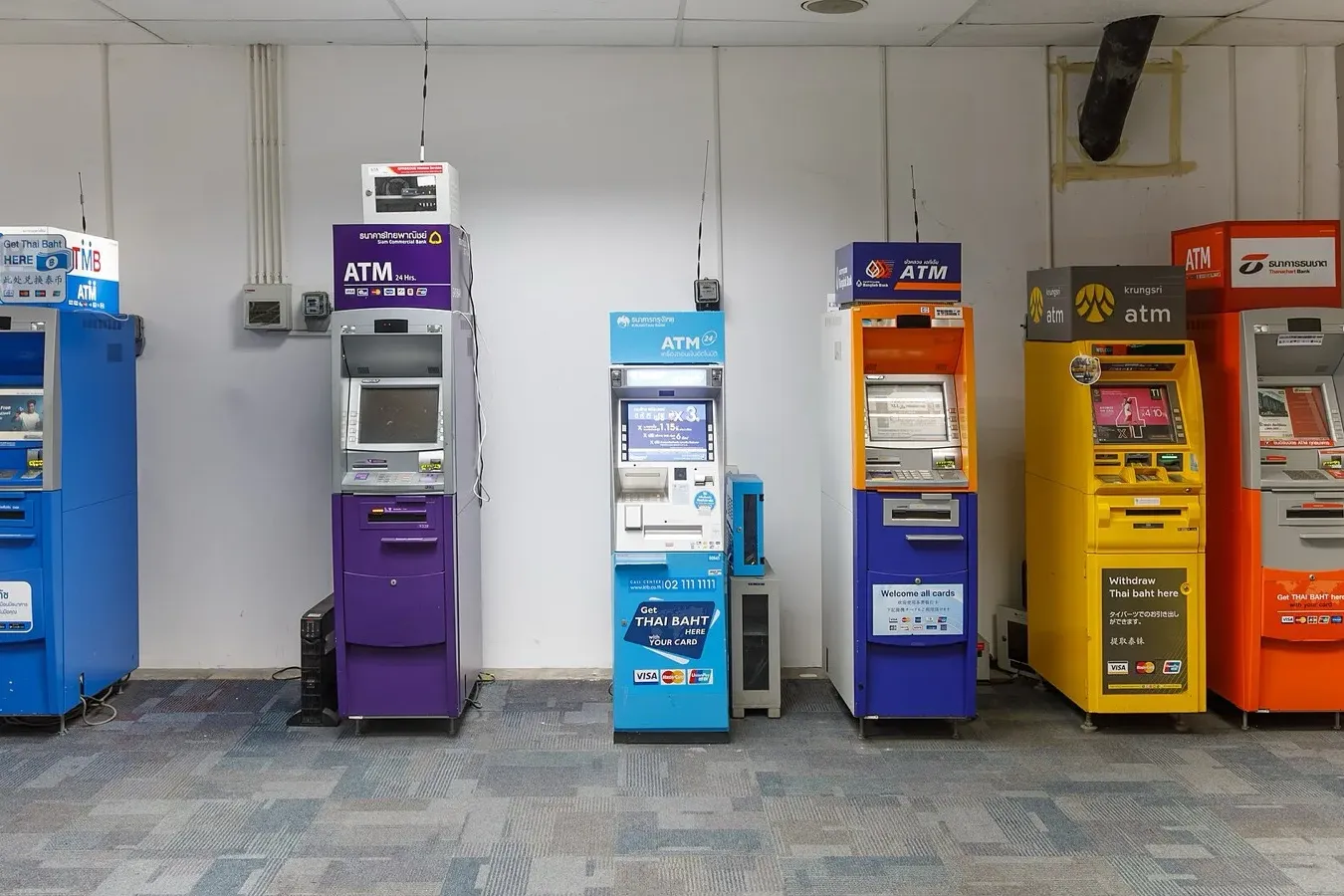
Kartenbetrug in Phuket passiert meist am Geldautomaten oder an der Kasse statt unter Androhung von Gewalt. Skimming-Geräte und versteckte Kameras können an freistehenden Geldautomaten in touristischen Gegenden angebracht werden, um Ihre Kartendaten und Ihre PIN abzufangen, und eine kleine Anzahl von Geschäften oder Ständen gibt falsches Wechselgeld heraus in der Erwartung, dass Sie es abgelenkt nicht nachzählen. Freistehende Geldautomaten auf der Straße oder in Convenience-Stores sind anfälliger als Geräte, die direkt an eine Bankfiliale angeschlossen sind.
Schützen Sie sich, indem Sie wann immer möglich Geldautomaten innerhalb oder direkt an einer Bank nutzen, den Kartenschlitz kurz wackeln, um nach angebrachten Skimming-Vorrichtungen zu suchen, und das Tastenfeld bei der PIN-Eingabe mit der Hand verdecken. Behalten Sie Kartenzahlungen im Blick, aktivieren Sie Transaktionsbenachrichtigungen bei Ihrer Bank vor der Reise und zählen Sie Ihr Wechselgeld jedes Mal nach, anstatt es blind einzustecken. Wenn Sie länger bleiben, kann ein thailändisches Bankkonto eröffnen die Häufigkeit reduzieren, mit der Sie auf ausländische Kartenabhebungen und die damit verbundenen Gebühren angewiesen sind. Überprüfen Sie Ihre Kontoauszüge während der Reise, damit Sie Ungewöhnliches sofort Ihrem Kartenanbieter melden können.
Falsche Tickets, Touren und die Masche mit dem "freundlichen Fremden"
Einige Betrügereien basieren rein auf Charmantheit. Ein Fremder beginnt ein herzliches Gespräch, oft mit der Eröffnung "Woher kommst du?", und lenkt es auf ein Geschäft, eine Tour oder ein "Sonderangebot". Manchmal arbeiten sie zu zweit, sodass einer Sie ablenkt, während der andere den Verkauf abschließt oder eine Brieftasche entwendet. Ähnliche Tricks umfassen Straßenverkäufer oder inoffizielle Schalter, die Inseltouren und Attraktionstickets anbieten, welche überteuert, doppelt verkauft oder schlicht gefälscht sind, sodass Sie am Schalter ankommen und feststellen, dass keine Buchung existiert.
Die Warnsignale sind ein allzu freundliches Zugehen von jemandem, den Sie nicht gesucht haben, ein Gespräch, das schnell in ein Verkaufsgespräch umschlägt, und jeglicher Druck, Tickets von einer Person auf der Straße statt an einem offiziellen Schalter zu kaufen. Seien Sie höflich, aber gehen Sie weiter und lassen Sie sich von einem Fremden niemals Ihre Reiseroute bestimmen. Buchen Sie Touren und Tickets über Ihr Hotel, einen seriösen Anbieter oder eine offizielle Website, und zahlen Sie nach Möglichkeit mit Karte, damit eine strittige Zahlung rückgängig gemacht werden kann. Die Beschaffung einer lokalen SIM- oder eSIM-Karte vor Ihrer Ankunft erleichtert es, Preise und Bewertungen direkt vor Ort zu überprüfen, und wenn Sie einen Tag im Beach-Club verbringen möchten, listet unsere Übersicht über die besten Beach Clubs und Tagespässe echte Locations auf, sodass Sie sich nicht auf einen Anwerber verlassen müssen. Echte Freundlichkeit kostet Sie nichts, daher ist das Verkaufsgespräch immer das Erkennungszeichen.
Was tun, wenn Sie in Phuket betrogen wurden?
Wenn es doch zu einem Betrug kommt, bewahren Sie Ruhe und vermeiden Sie eine Eskalation der Konfrontation, denn wütend oder handgreiflich zu werden, kann einen finanziellen Streit in einen rechtlichen verwandeln, der für Sie schlecht ausgeht. Zahlen Sie keine hohe, strittige "Schadens"-Summe vor Ort. Rufen Sie stattdessen die Touristenpolizei an, eine spezielle, englischsprachige Einheit, die Besuchern helfen soll, unter ihrer landesweiten Hotline 1155. Wie die U.S. Embassy rät, sollten Sie sich im Falle eines Betrugs an die lokale Touristenpolizei wenden oder deren gebührenfreie Nummer 1155 wählen, da die Touristenpolizei bei Streitigkeiten vermitteln und Berichte aufnehmen kann.
Für alles, was Ihre Bankkarte betrifft, kontaktieren Sie umgehend Ihren Kartenanbieter, um die Karte sperren zu lassen und die Belastung anzufechten, und bewahren Sie jede Quittung, jedes Foto und jede Nachricht als Beweis auf. Wenn Ihr Reisepass abgenommen wurde oder Sie sich unsicher fühlen, kontaktieren Sie Ihre Botschaft oder Ihr Konsulat. Es hilft auch, Ihre Rechte bei einer routinemäßigen Polizeikontrolle zu kennen, was wir in Ihre Rechte, wenn die Polizei Sie in Thailand kontrolliert oder durchsucht behandeln. In diesem Zusammenhang sollten Sie sich von Fremden oder "hilfsbereiten" Einheimischen nicht bei kleineren Vergehen wie Rauchen oder Vapen am falschen Ort unter Druck setzen lassen. Verstehen Sie zuerst die echten Regeln, indem Sie die sachliche Darstellung zu Strafen fürs Vapen und Polizeikontrollen und Cannabisregeln für Touristen lesen, damit niemand eine "Geldstrafe" erfinden kann, um Bargeld von Ihnen zu erpressen.
Kurze Vorab-Checkliste zur Vermeidung von Betrügereien in Phuket
Die meisten gängigen Betrügereien in Phuket fallen in dem Moment in sich zusammen, in dem Sie ein paar einfache Gewohnheiten befolgen. Gehen Sie diese Liste vor der Abreise und noch einmal an Ihrem ersten Tag durch:
- Lassen Sie niemals Ihren Reisepass als Kaution zurück. Bieten Sie stattdessen eine Fotokopie oder eine Barkaution für Roller und Wassersport an.
- Vereinbaren Sie jeden Preis, bevor Sie sich festlegen. Fahrpreise, Mieten, Getränke und Touren werden im Voraus laut geklärt.
- Filmchen Sie Leihgaben vor der Nutzung. Ein video mit Zeitstempel eines Jet-Skis oder Rollers macht falsche Schadensansprüche zunichte.
- Lassen Sie sich nicht drängen. Kein seriöses Geschäft, kein Preis und kein Verkauf erfordert Ihre Unterschrift oder Ihr Bargeld in den nächsten fünf Minuten.
- Nutzen Sie Grab oder das Taxameter. Feste, transparente Preise nehmen das Feilschen und das "kaputte Taxameter" aus dem Spiel.
- Ignorieren Sie unaufgeforderte Einkauftipps. Edelstein-, Schneider- und Touren-"Empfehlungen" von Fahrern und Fremden sind Verkaufsmaschen.
- Speichern Sie 1155 auf Ihrem Telefon. Die Nummer der Touristenpolizei ist Ihr erster Anruf, wenn etwas schiefgeht.
Ein wenig Planung erledigt den Rest. Wenn Sie Ihre Reise gut timen mithilfe unseres Leitfadens zu der besten Reisezeit für Phuket, Ihre Papiere mit den thailändischen Touristenvisaregeln sortieren und eine gute Unterkunft mit unserem Ratgeber zu Unterkünften in Phuket wählen, reduzieren Sie die Momente der Verwirrung, auf die Betrüger spekulieren. Kommen Sie informiert an und die Insel gehört Ihnen zum Genießen.
Verwandte Phuket-Leitfäden
Diese begleitenden Leitfäden helfen Ihnen dabei, sich sicher fortzubewegen, zu budgetieren und zu planen, damit die oben genannten Betrügereien keine Chance haben.
| Leitfaden | Was er abdeckt |
|---|---|
| Fortbewegung in Phuket | Realistische Preise für Taxi, Tuk-Tuk, Grab und Mietwagen |
| Wie man in Phuket einen Roller mietet | Preise, Führerscheinregeln, Versicherung und Kautionssicherheit |
| Lebenshaltungskosten in Phuket | Was Dinge wirklich kosten, damit Sie einen überhöhten Preis erkennen |
| Patong Beach | Nachtleben, Strand und was Sie auf der Bangla Road erwartet |
| Phuket vs Krabi | Die Wahl der richtigen Basis für Ihre Reise |
Frequently asked questions
Ist Phuket sicher für Touristen?
Ja. Phuket ist im Allgemeinen sehr sicher, und schwere Verbrechen gegen Touristen sind unüblich. Die Hauptrisiken bestehen in finanziellen Betrügereien, die sich in belebten Touristenregionen konzentrieren und eher opportunistisch als gefährlich sind. Mit ruhiger Wachsamkeit, vereinbarten Preisen und abgespeicherter 1155-Hotline hat die große Mehrheit der Besucher eine absolut problemfreie Reise.
Was sind die häufigsten Betrügereien in Phuket?
Die häufigsten Betrügereien in Phuket sind die Jet-Ski-Schadensforderung, Tuk-Tuk- und Taxi-Überpreise, die Umleitung mit der Behauptung "Attraktion ist geschlossen", Edelstein- und Schneider-Betrügereien, Timeshare- und Rubbellos-Gewinne, Streitigkeiten um die Rollerkaution, aufgeblähte Bar-Rechnungen, ATM-Skimming, gefälschte Tickets und die Verkaufsmasche mit dem freundlichen Fremden. Fast alle lassen sich durch einfache Vorsichtsmaßnahmen vermeiden.
Ist der Jet-Ski-Betrug in Phuket real?
Ja, er ist real und wird weiterhin gemeldet. Betreiber verleihen einen Jet-Ski günstig, behaupten dann, Sie hätten teuren Schaden verursacht, und drängen Sie zur Zahlung. Das Filmen des Fahrzeugs vor der Fahrt, die Nutzung eines von Ihrem Hotel empfohlenen, seriösen Anbieters und das niemals Hinterlassen des Reisepasses als Sicherheit sind die besten Abwehrmaßnahmen.
Wie lautet die Nummer der Touristenpolizei in Thailand?
Die Hotline der Touristenpolizei in Thailand lautet 1155. Es handelt sich um eine landesweite, englischsprachige Nummer für Besucher, die Hilfe bei Betrügereien, Streitigkeiten oder Notfällen benötigen. Die U.S. Embassy empfiehlt, 1155 anzurufen, wenn Sie Opfer eines Betrugs werden, und die Touristenpolizei kann bei Streitigkeiten vermitteln und Berichte aufnehmen.
Sollte ich jemals meinen Reisepass als Kaution übergeben?
Nein. Lassen Sie niemals Ihren Originalpass als Kaution für einen Jet-Ski, Roller oder etwas anderes zurück. Das britische Außenministerium (UK FCDO) warnt, dass Verleihunternehmen Pässe gegen angebliche Schadensrechnungen einbehalten können. Bieten Sie stattdessen eine Fotokopie oder eine Barkaution an und behalten Sie das Originaldokument bei sich.
Wie vermeide ich es, von Taxis und Tuk-Tuks übervorteilt zu werden?
Vereinbaren Sie den Fahrpreis, bevor Sie einsteigen, oder bestehen Sie auf dem Taxameter, und wenn der Fahrer sich weigert, nehmen Sie das nächste. Die Grab-App zeigt einen Festpreis im Voraus an und erspart das Feilschen. Den fairen Tarif im Voraus zu kennen, zum Beispiel den Preis vom Flughafen nach Patong, ist der stärkste Schutz gegen ein "kaputtes Taxameter".
Sind Edelstein- und Schneiderläden in Phuket ein Betrug?
Die meisten sind seriös, aber die klassischen Edelstein- und Schneiderbetrügereien zielen auf Touristen ab, die von einem Fahrer oder freundlichen Fremden dorthin gelotst werden. Ihnen werden wertlose Edelsteine als "Investition" oder überstürzte, minderwertige Anzüge verkauft. Kaufen Sie niemals Edelsteine zum Wiederverkauf, ignorieren Sie Einkaufstipps von Fremden und wählen Sie jeden Schneider anhand echter Bewertungen selbst aus.
Wie kann ich ATM- und Kartenskimming in Phuket vermeiden?
Nutzen Sie Geldautomaten innerhalb oder an Banken statt freistehender Straßenautomaten, überprüfen Sie den Kartenschlitz auf ein Skimming-Gerät und verdecken Sie die Tastatur bei der PIN-Eingabe. Schalten Sie Transaktionsbenachrichtigungen vor der Reise ein, zählen Sie Ihr Wechselgeld nach und überprüfen Sie Ihre Kontoauszüge, damit Sie Ihrer Bank Verdächtiges schnell melden können.
Was sollte ich tun, wenn ich in Phuket betrogen werde?
Bewahren Sie Ruhe und lassen Sie die Situation nicht eskalieren. Weigern Sie sich, eine hohe strittige Summe vor Ort zu zahlen, und rufen Sie die Touristenpolizei unter 1155 an, um zu vermitteln. Bei Kartenbetrug kontaktieren Sie sofort Ihre Bank, um die Karte zu sperren und die Belastung anzufechten, bewahren Sie alle Beweise auf und kontaktieren Sie Ihre Botschaft, falls Ihr Pass abgenommen wurde oder Sie sich unsicher fühlen.
Quellen
- U.S. Embassy and Consulate in Thailand, Common Scams to Avoid
- UK Foreign, Commonwealth and Development Office, Thailand travel advice: safety and security
- Government of Canada, Thailand travel advice and advisories
- Wikipedia, Gem scam
- Wikipedia, Thai tailor scam
- Wikipedia, Tourist Police (Thailand)
Über diesen Leitfaden
Dieser Leitfaden wurde vom Thailand-Stuff-Redaktionsteam recherchiert und verfasst, das in Phuket lebt und darüber berichtet. Wir recherchieren unsere Leitfäden anhand aktueller Erfahrungen vor Ort, seriöser Nachrichten und offizieller Reisehinweise und überprüfen sie regelmäßig, um die Details aktuell zu halten. Er wurde zuletzt am 7. August 2026 überprüft.
Dieser Artikel dient der allgemeinen Information, um Ihnen sicheres Reisen zu ermöglichen, und stellt weder eine Rechtsberatung noch eine persönliche Sicherheitsgarantie dar. Thailand Stuff ist keine Strafverfolgungs- oder Regierungsbehörde. Betrugstaktiken entwickeln sich weiter und spezifische Situationen variieren. Überprüfen Sie daher für die aktuellsten offiziellen Ratschläge immer die Reisehinweise Ihrer eigenen Regierung sowie der Tourismusbehörde von Thailand und rufen Sie die Touristenpolizei unter 1155 an oder kontaktieren Sie Ihre Botschaft, wenn Sie Hilfe vor Ort benötigen. Wir beschreiben Betrugsarten und -taktiken in allgemeiner Form und beschuldigen kein bestimmtes, namentlich genanntes Unternehmen oder Individuum eines Fehlverhaltens.
Weiterlesen
 News
NewsA Thai senator has proposed letting foreigners own 100% of a business in Thailand to end the nominee system. Here is what was said and what it could mean.
 Practical
Die ehrliche Antwort für 2026: Die meisten thailändischen Banken lehnen Inhaber von DTV-Visa bei der Eröffnung neuer Konten ab. Warum das passiert, was nicht funktioniert und welche echten Alternativen es gibt.
 Practical
Wie bezahlen Touristen in Thailand? Vergleichen Sie Wise und Heimatkarten, die KBank Prepaid Visa-Karte, Bargeld und Geldautomaten-Gebühren, ehrlich und ohne dass ein thailändisches Bankkonto erforderlich ist.