
กฎหมายโดรนในประเทศไทย นักท่องเที่ยวสามารถบินโดรนได้หรือไม่ในปี 2026
กฎหมายโดรนในประเทศไทยปี 2026: การลงทะเบียนแบบคู่ทั้ง CAAT และ NBTC, ไม่มีข้อยกเว้นสำหรับนักท่องเที่ยว, การทำประกันภัย, เขตห้ามบิน และค่าปรับ สิ่งที่ผู้มาเยือนต้องรู้ก่อนบิน
Thailand Stuff Editorial Team
Researched and fact-checked against on-the-ground prices and reputable data · 7 Aug 2026 · อ่าน 17 นาที

กฎหมายโดรนในประเทศไทย นักท่องเที่ยวสามารถบินโดรนได้หรือไม่ในปี 2026
กฎหมายโดรนในประเทศไทยทำให้ผู้มาเยือนส่วนใหญ่ตั้งตัวไม่ทัน และสรุปสั้นๆ ได้ดังนี้: ได้ คุณสามารถบินโดรนที่นี่ได้ แต่ต้องลงทะเบียนเสียก่อน และขั้นตอนมีความเข้มงวดกว่าที่หลายคนคิดไว้มาก ไม่มีข้อยกเว้นสำหรับนักท่องเที่ยว ไม่มีช่องโหว่สำหรับการใช้งานเพื่อการพักผ่อน และไม่มีอภิสิทธิ์ใดๆ สำหรับโดรนขนาดเล็กที่มีน้ำหนักไม่เกิน 250 กรัมหากมีกล้อง ก่อนที่คุณจะแพ็ค DJI Mini ลงกระเป๋า ควรทำความเข้าใจให้ถ่องแท้ว่าประเทศไทยต้องการอะไรบ้าง มีค่าใช้จ่ายเท่าไหร่ จุดไหนบ้างที่คุณไม่ได้รับอนุญาตให้บิน และคุ้มค่าจริงๆ หรือไม่สำหรับการเดินทางพักผ่อนสองสัปดาห์
คำตอบสั้นๆ: คุณสามารถบินโดรนในประเทศไทยได้หรือไม่
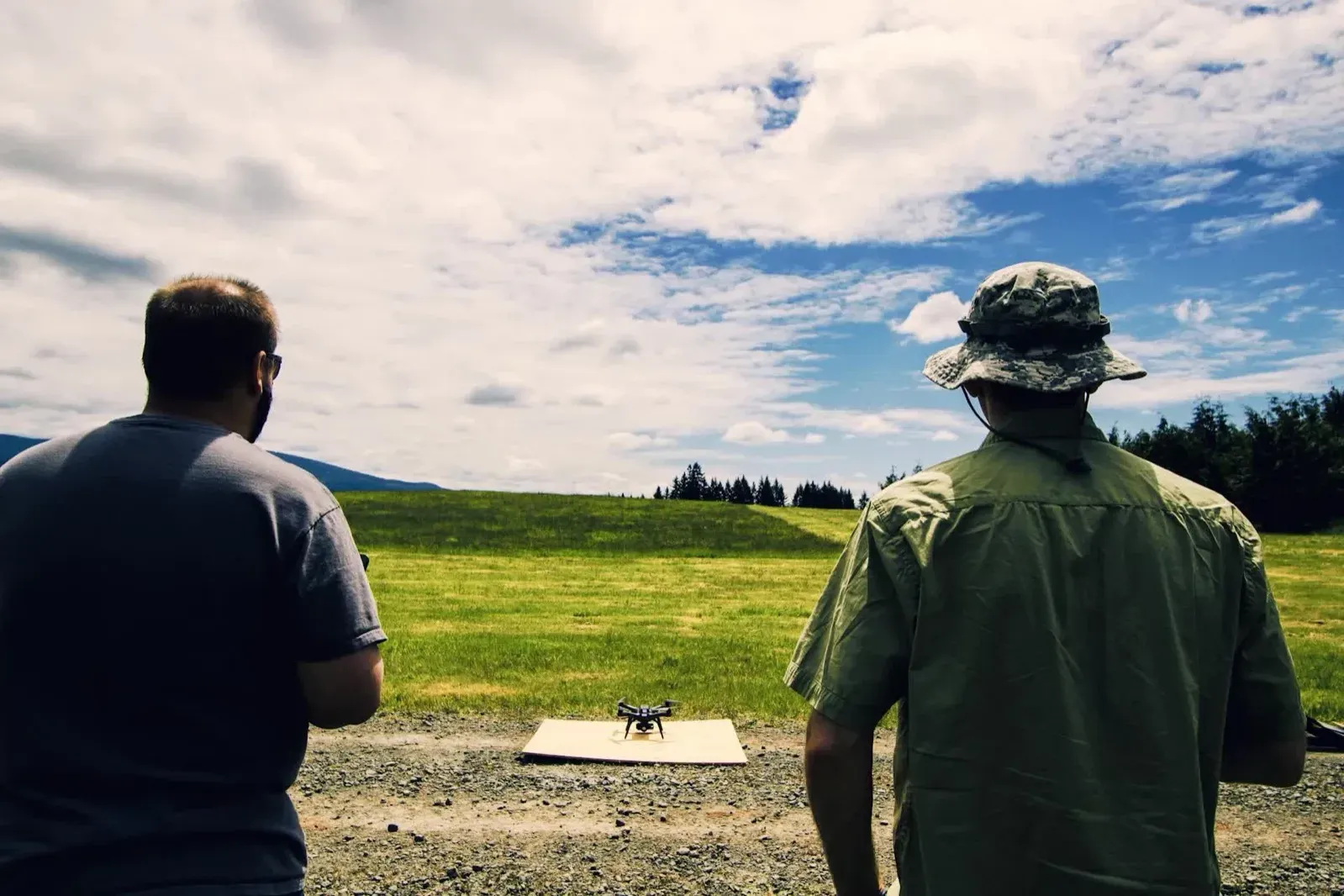
ได้ นักท่องเที่ยวสามารถบินโดรนในประเทศไทยได้ แต่ต้องหลังจากดำเนินการลงทะเบียนคู่แบบบังคับและซื้อประกันภัยเรียบร้อยแล้วเท่านั้น โดยไม่มีข้อยกเว้นสำหรับผู้มาเยือนหรือการใช้งานเพื่อความเพลิดเพลิน การท่องเที่ยวแห่งประเทศไทยระบุไว้อย่างชัดเจนว่า "โดรนทั้งหมด ซึ่งได้รับการจัดประเภทอย่างเป็นทางการว่าเป็นอากาศยานไร้คนขับ จะต้องได้รับการลงทะเบียนและใช้งานโดยปฏิบัติตามกฎระเบียบด้านการบินแห่งชาติอย่างเคร่งครัด" และ "การลงทะเบียนกับหน่วยงานเดียวไม่เพียงพอ" (TAT Newsroom, มิถุนายน 2026) พูดอีกอย่างคือ กฎเกณฑ์เดียวกันนี้ใช้กับทั้งผู้อยู่อาศัยในไทยและตัวคุณที่เป็นนักท่องเที่ยว หากโดรนของคุณมีกล้องหรือมีน้ำหนักมากกว่า 250 กรัม คุณต้องลงทะเบียนกับหน่วยงานรัฐสองแห่งแยกจากกัน ทำประกันภัย และอยู่ให้ห่างจากพื้นที่จำกัดที่มีรายการยาวเหยียดก่อนที่คุณจะบินขึ้น
นี่คือเหตุผลที่โดรนติดกล้องจำนวนมากต้องนอนนิ่งอยู่ในตู้นิรภัยของโรงแรมทั่วประเทศ กฎระเบียบเหล่านี้ไม่ใช่ว่าเป็นไปไม่ได้ แต่ต้องอาศัยการวางแผน มีเบอร์โทรศัพท์ไทย และใช้เวลาถึงสองสัปดาห์ในการดำเนินการ หากคุณบินโดยไม่ทำเอกสารให้เรียบร้อย เท่ากับคุณกำลังกระทำความผิดทางอาญา ไม่ใช่แค่การฝ่าฝืนเล็กน้อย
ทำไมกฎระเบียบเรื่องโดรนของไทยจึงเข้มงวดกว่าที่คุณคาดคิด
ประเทศไทยมองโดรนติดกล้องว่าเป็นสิ่งควบคุมสองอย่างในเวลาเดียวกัน ได้แก่ อากาศยานและเครื่องวิทยุคมนาคม ข้อเท็จจริงข้อเดียวนี้นำไปใช้อธิบายเกือบทุกอย่างที่ทำให้นักเดินทางสับสน เนื่องจากโดรนบินได้ จึงอยู่ภายใต้สำนักงานการบินพลเรือนแห่งประเทศไทย (CAAT) และเนื่องจากตัวควบคุมวิทยุมีการกระจายคลื่นความถี่วิทยุ จึงอยู่ภายใต้คณะกรรมการกิจการกระจายเสียง กิจการโทรทัศน์ และกิจการโทรคมนาคมแห่งชาติ (NBTC) ด้วย คุณไม่ได้ลงทะเบียนแค่ครั้งเดียว แต่ต้องลงทะเบียนสองครั้ง กับสองหน่วยงานที่ไม่ได้ประสานงานกัน
นอกจากนี้เกณฑ์ในการควบคุมยังกว้างมาก โดรนทุกตัวที่ติดตั้งกล้องจะต้องถูกลงทะเบียนโดยไม่คำนึงถึงน้ำหนัก และโดรนใดๆ ที่มีน้ำหนักเกิน 250 กรัมจะต้องถูกลงทะเบียนเช่นกันแม้ว่าจะไม่มีกล้องก็ตาม โดรนสำหรับผู้บริโภคส่วนใหญ่เข้าข่ายอย่างน้อยหนึ่งข้อในนี้ นี่คือจุดเริ่มต้นที่เข้มงวดกว่าประเทศบ้านเกิดหลายๆ ประเทศ ซึ่งมักจะผ่อนผันให้โดรนน้ำหนักต่ำกว่า 250 กรัมผ่านไปได้ เบื้องหลังเรื่องนี้ส่วนหนึ่งมาจากเรื่องความเป็นส่วนตัวและความปลอดภัย และอีกส่วนหนึ่งคือเรื่องความมั่นคง: มีการประกาศห้ามบินทั่วประเทศชั่วคราวในช่วงกลางปี 2025 ท่ามกลางความตึงเครียดบริเวณชายแดนกัมพูชา และการบังคับใช้กฎระเบียบที่กว้างขึ้นก็มีความเข้มงวดขึ้นตั้งแต่นั้นมา หากคุณกำลังพิจารณาที่จะนำเทคโนโลยีเชื่อมต่ออื่นๆ เข้ามาด้วย คู่มือของเราเกี่ยวกับ การนำ Starlink เข้ามาในประเทศไทยถูกกฎหมายหรือไม่ จะแสดงให้เห็นว่าประเทศไทยให้ความสำคัญกับอุปกรณ์วิทยุนำเข้ามากเพียงใด
การลงทะเบียนคู่: ทำความเข้าใจ CAAT และ NBTC
การบินโดรนอย่างถูกกฎหมายในประเทศไทยต้องมีการลงทะเบียนแยกกันสองส่วน และการข้ามอันใดอันหนึ่งจะทำให้คุณบินอย่างผิดกฎหมาย นี่คือสิ่งที่แต่ละหน่วยงานครอบคลุม
CAAT: อากาศยานและผู้บังคับโดรน
สำนักงานการบินพลเรือนแห่งประเทศไทยทำหน้าที่ลงทะเบียนโดรนเป็นอากาศยานและลงทะเบียนคุณในฐานะผู้บังคับโดรน กระบวนการนี้ดำเนินการผ่าน UAS Portal ของ CAAT และสำหรับโดรนติดกล้องรวมถึงโดรนใดๆ ที่มีน้ำหนักเกิน 250 กรัม ถือเป็นข้อบังคับ (CAAT) การลงทะเบียนกับ CAAT คือจุดที่คุณระบุรายละเอียดของโดรน หลักฐานแสดงตัวตน และหลักฐานการประกันภัย รวมถึงเป็นที่ตั้งของข้อกำหนดความรู้ของผู้บังคับโดรน
NBTC: ตัวควบคุมคลื่นความถี่วิทยุ
คณะกรรมการกิจการกระจายเสียง กิจการโทรทัศน์ และกิจการโทรคมนาคมแห่งชาติ ทำหน้าที่ลงทะเบียนอุปกรณ์วิทยุของโดรน เนื่องจากตัวควบคุมและลิงก์วิดีโอใช้คลื่นความถี่ที่มีการควบคุม การท่องเที่ยวแห่งประเทศไทยระบุไว้อย่างชัดเจนว่า "การลงทะเบียนทั้งกับ NBTC และ CAAT เป็นสิ่งจำเป็นภาคบังคับ" (TAT Newsroom) และกระบวนการของ NBTC ก็แยกต่างหากจากของ CAAT นักเดินทางจำนวนมากทำการลงทะเบียนกับหน่วยงานเดียว โดยคิดว่าครอบคลุมแล้ว และเพิ่งจะมาพบข้อกำหนดที่สองทีหลัง จำเป็นต้องทำทั้งสองอย่างในทุกๆ ครั้ง
ตำนานต่ำกว่า 250 กรัม: ทำไม DJI Mini ของคุณจึงยังต้องนับรวมด้วย
โดรนที่มีน้ำหนักต่ำกว่า 250 กรัมจะไม่ได้รับการยกเว้นในประเทศไทยหากมีกล้อง ซึ่งทำให้เจ้าของ DJI Mini ส่วนใหญ่ประหลาดใจ ในหลายๆ ประเทศ โดรนคลาส 249 กรัมถูกสร้างขึ้นมาโดยเจตนาเพื่อหลีกเลี่ยงการลงทะเบียน แต่ประเทศไทยปิดช่องว่างนั้นสำหรับอุปกรณ์ใดๆ ที่มีกล้อง DJI Mini 3 Pro หรือ Mini 4 Pro ที่มีน้ำหนัก 249 กรัม จะได้รับการปฏิบัติเช่นเดียวกับโดรนขนาดสองกิโลกรัม: จำเป็นต้องลงทะเบียนทั้งกับ CAAT และ NBTC เนื่องจากมีการถ่ายภาพและเนื่องจากตัวควบคุมมีการส่งสัญญาณ น้ำหนักจะไม่ใช่ปัจจัยตัดสินใจอีกต่อไปทันทีที่มีเลนส์อยู่บนตัวเครื่อง
ข้อคิดในทางปฏิบัติคือง่ายมาก หากโดรนของคุณสามารถถ่ายภาพนิ่งหรือวิดีโอได้ ให้ถือว่าคุณต้องลงทะเบียนมัน แบบไม่มีข้อยกเว้น อย่าพึ่งพาโพสต์ในฟอรัมที่อ้างว่าโดรนขนาดเล็กเล็ดลอดไปได้ เพราะกฎระเบียบปัจจุบันและวิธีที่เจ้าหน้าที่บังคับใช้ไม่รองรับเรื่องนั้น เมื่อมีข้อสงสัย ให้ปฏิบัติกับโดรน Mini ของคุณเช่นเดียวกับที่คุณปฏิบัติตามกฎของ Mavic หรือ Air ขนาดใหญ่
วิธีการลงทะเบียนโดรนของคุณ: ทีละขั้นตอน
การลงทะเบียนโดรนในประเทศไทยเป็นกระบวนการหลายขั้นตอนผ่านหน่วยงานสองแห่ง และโดยทั่วไปคุณจะไม่สามารถทำเสร็จได้ภายในบ่ายวันเดียว คุณจะต้องมีหมายเลขโทรศัพท์มือถือของไทยเพื่อรับรหัสยืนยัน สำเนาหนังสือเดินทาง หมายเลขซีเรียลและรูปถ่ายของโดรน รวมถึงใบรับรองการประกันภัยที่ถูกต้อง คาดว่าจะต้องทำการลงทะเบียนให้เสร็จสิ้นภายใน 30 วันหลังจากเดินทางมาถึงประเทศไทย หรือภายใน 30 วันหลังจากซื้อโดรนในท้องถิ่น (FEIC (Thailand)) ตารางด้านล่างนี้แสดงขั้นตอนการดำเนินการทั่วไป โปรดทราบว่ารายละเอียดบางอย่าง เช่น จำนวนคำถามสอบที่แน่นอน มีการรายงานกันอย่างกว้างขวางโดยแหล่งข้อมูลการลงทะเบียน แทนที่จะถูกเผยแพร่เป็นตัวเลขทางการเพียงชุดเดียว ดังนั้นให้ถือว่าเป็นแนวทาง
| ขั้นตอน | สิ่งที่จะเกิดขึ้น | หมายเหตุ |
|---|---|---|
| 1. ซื้อซิมการ์ดและเบอร์โทรศัพท์ไทย | จำเป็นสำหรับการยืนยันรหัสผ่านครั้งเดียว (OTP) บนพอร์ทัลของรัฐบาล | ซื้อซิมท้องถิ่นเมื่อมาถึง เพราะเบอร์ต่างประเทศมักจะไม่ได้รับรหัส |
| 2. ซื้อประกันภัยความรับผิดต่อบุคคลภายนอก | จัดทำประกันที่ระบุยี่ห้อ รุ่น และหมายเลขซีเรียลของโดรน ซึ่งใช้ได้ในประเทศไทย | ต้องมีความคุ้มครองขั้นต่ำ 1,000,000 บาท |
| 3. ลงทะเบียนตัวควบคุมวิทยุกับ NBTC | ลงทะเบียนเครื่องส่งสัญญาณของโดรนผ่านระบบของ NBTC | ทำสิ่งนี้ภายใน 30 วันหลังจากเดินทางมาถึง แม้ว่าคุณจะยังไม่ได้บินก็ตาม |
| 4. ลงทะเบียนอากาศยานและผู้บังคับโดรนกับ CAAT | ส่งรายละเอียดโดรน บัตรประจำตัว ประกันภัย และรูปถ่ายผ่านทาง UAS Portal | การลงทะเบียนทั้งสองแบบเป็นภาคบังคับ การทำอันเดียวไม่เพียงพอ |
| 5. ทำข้อสอบวัดความรู้ของ CAAT ให้เสร็จสิ้น | การตรวจสอบความรู้ของผู้บังคับโดรนทางออนไลน์ (มีรายงานว่ามีประมาณ 40 คำถาม มีเป็นภาษาอังกฤษ) | เป็นตัวเลขที่มีการรายงาน; โปรดยืนยันรูปแบบปัจจุบันกับทาง CAAT |
| 6. รอการประมวลผล | การอนุมัติอาจใช้เวลาถึงประมาณ 14 วัน | ห้ามบินจนกว่าจะมีการยืนยันการลงทะเบียนทั้งสองแบบ |
| 7. บินภายใต้กฎระเบียบ | การลงทะเบียนมักจะมีอายุประมาณสองปี | ต่ออายุสัญญาก่อนหมดอายุ เก็บเอกสารไว้บนโทรศัพท์ของคุณเมื่อทำการบิน |
เนื่องจากขั้นตอนของ CAAT อาจใช้เวลาถึงสองสัปดาห์ ระยะเวลาจึงมักจะไม่เอื้ออำนวยต่อการเดินทางระยะสั้น หากคุณเดินทางมาถึงภูเก็ตและมุ่งหน้าตรงไปยังชายหาด โปรดคำนึงถึงความจริงที่ว่าคุณอาจยังไม่ได้รับอนุญาตให้บินในช่วงแรกของวันหยุดพักผ่อน แม้ว่าคุณจะเริ่มดำเนินการด้านเอกสารในวันแรกก็ตาม การหาซิมท้องถิ่นตั้งแต่เนิ่นๆ จะช่วยได้ และคู่มือของเราเกี่ยวกับการ เดินทางรอบภูเก็ต จะครอบคลุมถึงการรับซิมควบคู่ไปกับข้อมูลพื้นฐานด้านการเดินทาง
ค่าใช้จ่ายและข้อกำหนดด้านการประกันภัย
ค่าธรรมเนียมของรัฐบาลสำหรับการลงทะเบียนโดรนนั้นมีจำนวนน้อย แต่ค่าประกันและความช่วยเหลือแบบเสียค่าใช้จ่ายทำให้ต้นทุนจริงสูงขึ้น ค่าธรรมเนียมหลักของรัฐบาลสำหรับ NBTC และ CAAT นั้นมีราคาไม่แพง นักเดินทางรายหนึ่งรายงานว่าค่าธรรมเนียมการลงทะเบียนอยู่ที่ประมาณ 214 บาท (FEIC (Thailand)) ค่าใช้จ่ายที่มากกว่าคือประกันภัย และหากคุณใช้บริการ หน่วยงานรับลงทะเบียนที่จะจัดการขั้นตอนภาษาไทยให้คุณ
การทำประกันไม่ใช่เรื่องทางเลือก การท่องเที่ยวแห่งประเทศไทยระบุว่า "โดรนจะต้องทำประกันภัยความรับผิดต่อบุคคลภายนอกด้วยความคุ้มครองอย่างน้อยหนึ่งล้านบาท" (TAT Newsroom) และกรมธรรม์จะต้องระบุชื่อโดรนเฉพาะของคุณและหมายเลขซีเรียล แพ็กเกจประกันภัยทั่วไปมีราคาตั้งแต่ประมาณ 499 ถึง 899 บาท ขึ้นอยู่กับน้ำหนักของโดรน โดยโดรนที่มีน้ำหนักเบากว่า เช่น คลาส DJI Mini จะอยู่ที่ระดับราคาต่ำกว่า (MyDroneThailand) แพ็กเกจบริการแบบเบ็ดเสร็จที่รวมประกันและจัดการการลงทะเบียนทั้งสองแบบให้คุณโดยทั่วไปจะมีราคาอยู่ระหว่างประมาณ 1,498 ถึง 3,097 บาทต่อโดรนหนึ่งลำ พูดสั้นๆ คือ ควรเตรียมงบประมาณไว้สักสองสามพันบาทแทนที่จะเป็นหลักร้อยเมื่อรวมค่าประกันและความช่วยเหลือแบบเสียค่าใช้จ่ายแล้ว
จุดที่คุณไม่สามารถบินได้: เขตห้ามบิน
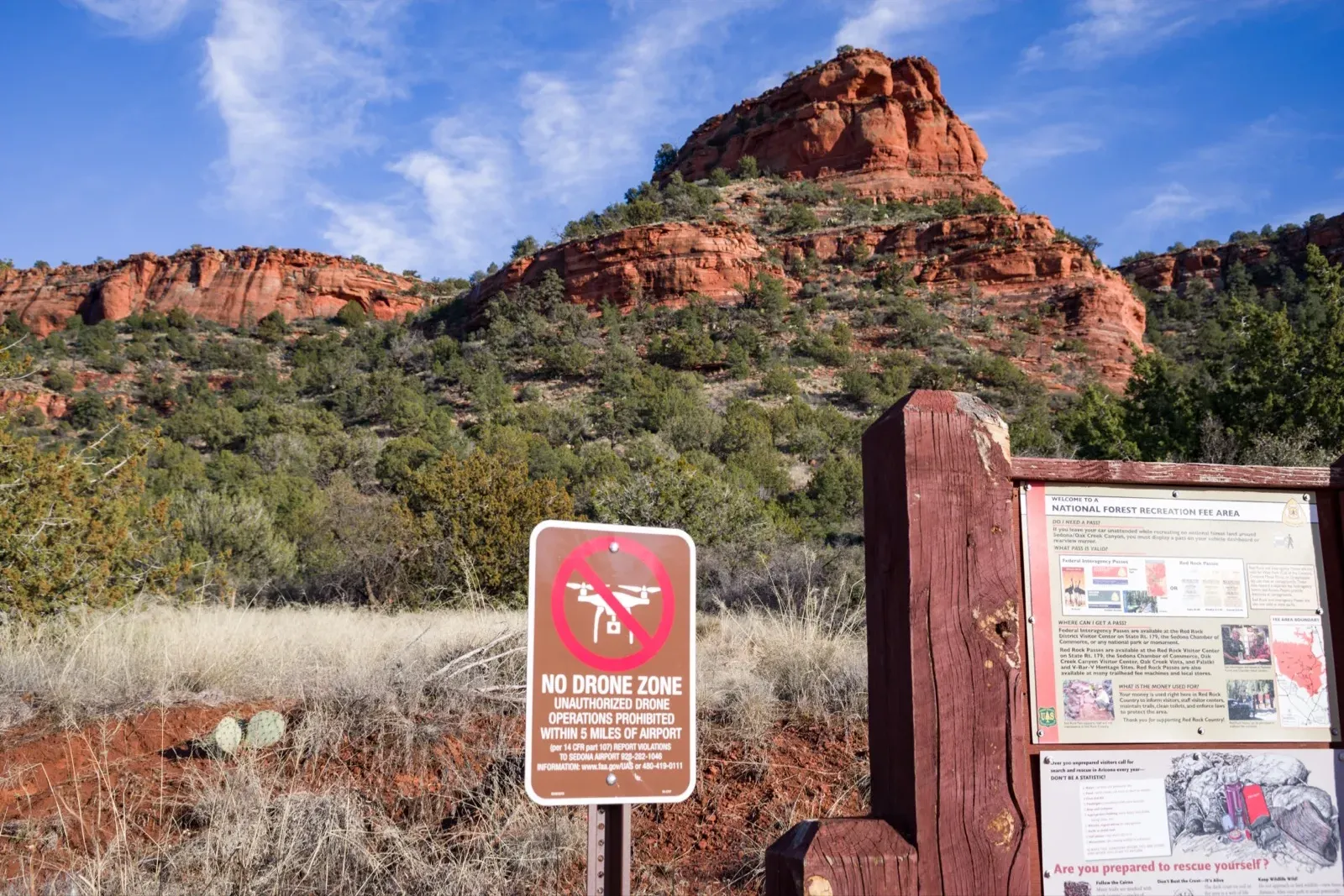
แม้ว่าจะลงทะเบียนเรียบร้อยแล้ว คุณก็ไม่สามารถบินโดรนใกล้สนามบิน สถานที่ราชการและทหาร โรงพยาบาล พระราชวัง หรือฝูงชนในประเทศไทยได้ คำแนะนำอย่างเป็นทางการกำหนดระยะห่างสนามบินไว้กว้างๆ ว่า "โดรนไม่อาจปฏิบัติการภายในระยะเก้ากิโลเมตรจากสนามบินหรือสนามบินชั่วคราวโดยไม่ได้รับอนุมัติล่วงหน้า" และการบิน "เหนือพื้นที่เขตเมือง การชุมนุม หรือใกล้กับอาคารของรัฐ โรงพยาบาล เขตทหาร หรือพื้นที่จำกัด" เป็นสิ่งต้องห้ามเว้นแต่จะได้รับอนุญาต (TAT Newsroom) นอกจากนี้ยังมีระยะห่างขั้นต่ำจากผู้คนและทรัพย์สิน ได้แก่ 30 เมตรสำหรับโดรนที่มีน้ำหนักต่ำกว่าสองกิโลกรัม และ 50 เมตรสำหรับโดรนที่มีน้ำหนักระหว่างสองถึง 25 กิโลกรัม
กฎเกณฑ์ระยะเก้ากิโลเมตรจากสนามบินนั้นตัดทิวทัศน์สวยๆ งามๆ ออกไปค่อนข้างมากอย่างเงียบๆ เนื่องจากสนามบินชายทะเลของประเทศไทยตั้งอยู่ใกล้กับชายหาดที่ผู้มาเยือนต้องการถ่ายภาพมากที่สุด อุทยานแห่งชาติโดยทั่วไปจำเป็นต้องมีการขออนุญาตเฉพาะของตนเองด้วย และคำแนะนำของ DJI เองเตือนผู้บินว่า "คุณต้องลงทะเบียนโดรนที่มีน้ำหนักเกิน 2 กม. ก่อนทำการบิน" และการฝ่าฝืนนโยบายของ CAAT อาจนำไปสู่การจำคุกหรือปรับ (DJI Fly Safe) ก่อนที่คุณจะปล่อยโดรนขึ้นบินทุกครั้ง ให้ตรวจสอบตำแหน่งที่ตั้งเฉพาะเทียบกับระยะห่างจากสนามบินและข้อจำกัดในท้องถิ่นใดๆ
การแบนชายแดนเจ็ดจังหวัด
นอกเหนือจากเขตห้ามบินประจำวันแล้ว ยังมีการห้ามบินโดรนอย่างสมบูรณ์ในเจ็ดจังหวัดใกล้ชายแดนกัมพูชา และไม่มีการประกาศวันที่สิ้นสุด จังหวัดที่ได้รับผลกระทบ ได้แก่ สระแก้ว บุรีรัมย์ ศรีสะเกษ สุรินทร์ อุบลราชธานี จันทบุรี และตราด ข้อจำกัดดังกล่าวเกิดขึ้นจากวิกฤตชายแดนในปี 2025 โดย CAAT ห้ามใช้โดรนในพื้นที่อ่อนไหวตั้งแต่ช่วงปลายเดือนกรกฎาคม 2025 เป็นต้นมา (กรมประชาสัมพันธ์ รัฐบาลไทย) และการห้ามบินโดรนข้ามเจ็ดจังหวัดชายแดนได้รับการยืนยันอีกครั้งในช่วงปลายปี 2025 (Wikipedia: วิกฤตชายแดนไทยกัมพูชา 2025) การท่องเที่ยวแห่งประเทศไทยเชื่อมโยงข้อจำกัดด้านสันทนาการในปัจจุบันในเขตเหล่านั้นเข้ากับประกาศ CAAT ฉบับที่ 16
หากกำหนดการเดินทางของคุณรวมถึงสถานที่ต่างๆ เช่น ตราด (ประตูสู่เกาะช้าง) หรือดินแดนแห่งวัดวาอารามอย่างสุรินทร์และศรีสะเกษ ให้ถือว่าโดรนเป็นสิ่งต้องห้ามโดยสิ้นเชิงในที่เหล่านั้นในขณะนี้ ไม่ว่าสถานะการลงทะเบียนของคุณจะเป็นอย่างไร กฎเหล่านี้สามารถเปลี่ยนแปลงได้อย่างรวดเร็วตามสถานการณ์ความปลอดภัย ดังนั้นควรตรวจสอบสถานะล่าสุดก่อนเดินทางไปทางตะวันออกหรือตะวันออกเฉียงเหนือ
บทลงโทษ: เกิดอะไรขึ้นหากคุณบินอย่างผิดกฎหมาย
การบินโดรนที่ไม่ได้ลงทะเบียนในประเทศไทยถือเป็นคดีอาญาที่อาจนำมาซึ่งค่าปรับจำนวนมากและถึงขั้นจำคุก ดังนั้นจึงควรให้ความสำคัญกับบทลงโทษเหล่านี้ ตัวเลขด้านล่างนี้คือตัวเลขที่มีการรายงานอย่างสม่ำเสมอและอ้างอิงถึงหน่วยงานกำกับดูแลที่เกี่ยวข้อง เนื่องจากมีการบังคับใช้ที่แตกต่างกันไป จึงควรปฏิบัติเสมือนว่าเป็นเพดานจำกัดมากกว่าอัตราค่าปรับที่ตายตัว
| การกระทำความผิดหรือสถานที่ต้องห้าม | บทลงโทษที่รายงาน / กฎ |
|---|---|
| บินโดยไม่มีการลงทะเบียน CAAT | ปรับสูงสุด 40,000 บาท และ/หรือจำคุกไม่เกิน 1 ปี (DJI / CAAT) |
| บินโดยไม่มีการลงทะเบียน NBTC | ปรับสูงสุด 100,000 บาท และ/หรือจำคุกไม่เกิน 5 ปี ภายใต้พระราชบัญญัติวิทยุคมนาคม (airsight) |
| การถ่ายทำภาพบุคคลที่ระบุตัวตนได้โดยไม่ได้รับความยินยอม | อาจมีการดำเนินการภายใต้กฎหมายคุ้มครองข้อมูลส่วนบุคคล (PDPA) ของประเทศไทย บทลงโทษอาจสูงกว่ามาก |
| ภายในระยะ 9 กม. จากสนามบินหรือสนามบินย่อย | ห้ามบินโดยไม่ได้รับอนุมัติล่วงหน้า |
| หน่วยงานรัฐ ทหาร โรงพยาบาล พระราชวัง หรือฝูงชน | ห้ามเด็ดขาด เว้นแต่จะได้รับอนุญาตเฉพาะ |
| เจ็ดจังหวัดชายแดนกัมพูชา | ห้ามบินเด็ดขาด ไม่มีกำหนดวันสิ้นสุดที่ประกาศไว้ |
เจ้าหน้าที่ตำรวจหรือเจ้าหน้าที่การบินสามารถออกใบสั่งปรับได้ทันทีสำหรับการบินอย่างอันตรายหรือในพื้นที่จำกัด การบังคับใช้กฎหมายมีความเข้มงวดขึ้นอย่างเห็นได้ชัด โดยหน่วยงานต่างๆ มุ่งเป้าหมายไปที่โดรนที่ไม่ได้ลงทะเบียนต่อสาธารณะ หากเจ้าหน้าที่เรียกตรวจคุณ การทำความเข้าใจว่าการพบกันนั้นทำงานอย่างไรในทางปฏิบัติจะช่วยได้มาก คู่มืออธิบายของเราเรื่อง สิทธิของคุณหากตำรวจเรียกตรวจ เป็นเพื่อนคู่คิดที่มีประโยชน์ในที่นี้ บทความนี้เป็นข้อมูลทั่วไปมากกว่าคำแนะนำทางกฎหมาย ดังนั้นโปรดตรวจสอบบทลงโทษปัจจุบันกับทาง CAAT และ NBTC ก่อนที่คุณจะบิน
สามารถบินในภูเก็ต กรุงเทพฯ และเกาะต่างๆ ได้หรือไม่
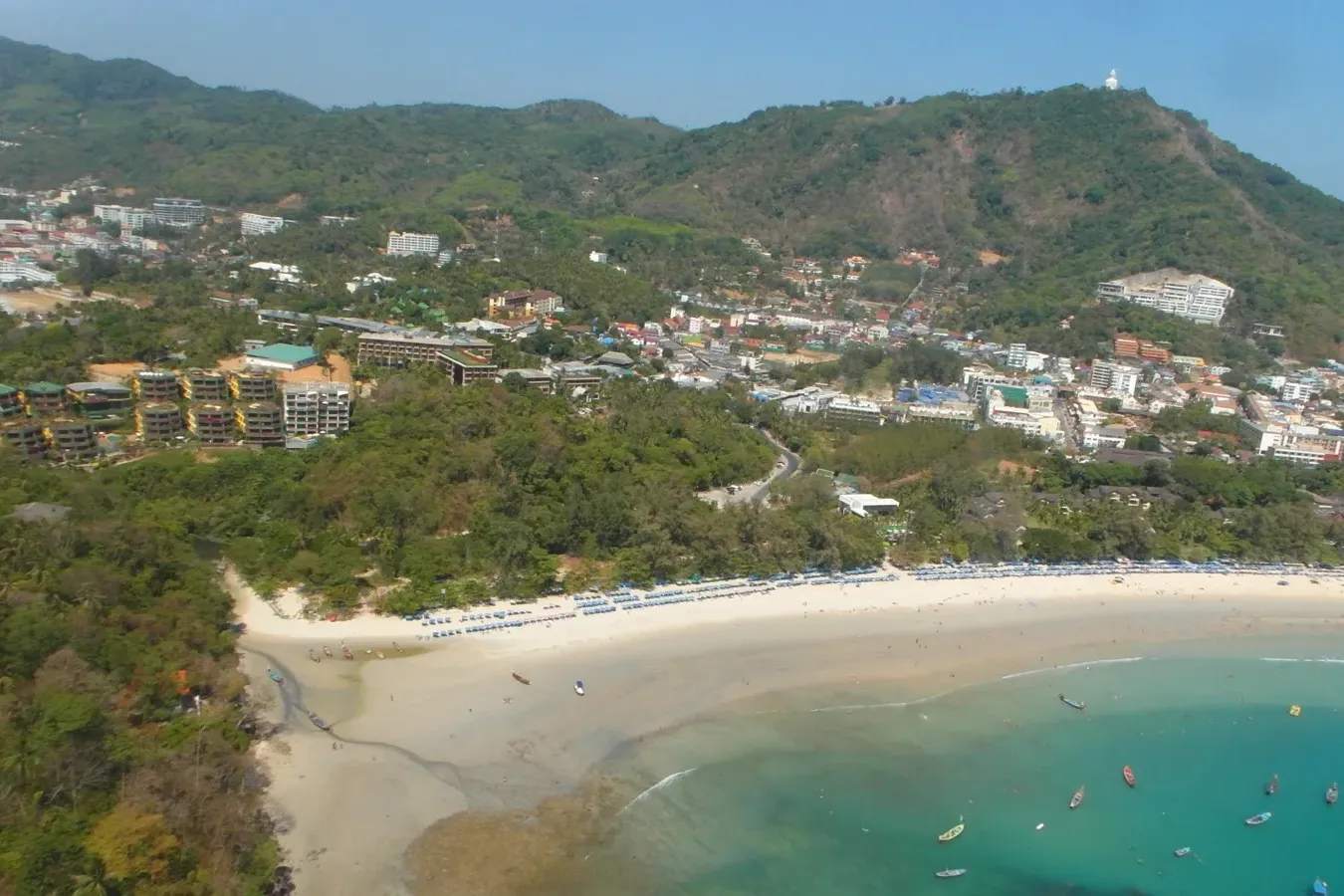
คุณสามารถบินในพื้นที่ท่องเที่ยวส่วนใหญ่ได้เมื่อลงทะเบียนแล้ว แต่เขตห้ามบินรอบสนามบินและกฎเกี่ยวกับฝูงชนได้ปิดกั้นจุดถ่ายภาพสวยๆ หลายแห่งไปอย่างเงียบๆ ในภูเก็ต สนามบินนานาชาติตั้งอยู่ทางตอนเหนือสุดของเกาะ ดังนั้นรัศมีเก้ากิโลเมตรจึงครอบคลุมหาดท่องเที่ยวยอดนิยมทางเหนือ เช่น หาดยางและหาดไม้ขาว และย่านรีสอร์ทที่พลุกพล่านก็ถูกจำกัดด้วยระยะห่างจากฝูงชนและทรัพย์สิน คุณยังคงสามารถหาจุดที่ถูกต้องตามกฎหมายได้ แต่คุณต้องเลือกอย่างระมัดระวังและอยู่ให้ห่างจากหาดทรายที่หนาแน่น หากคุณกำลังทำความเข้าใจเส้นทาง คู่มือของเราเกี่ยวกับ หาดป่าตอง, หาดกะตะ, หาดกะรน และ แหลมพันวา ที่เงียบสงบกว่า จะช่วยให้คุณเห็นภาพว่าแต่ละพื้นที่มีความเจริญหรือเปิดโล่งมากน้อยเพียงใด
กรุงเทพฯ ถือเป็นเขตห้ามบินสำหรับการบินแบบไม่เป็นทางการอย่างแท้จริง: เต็มไปด้วยผู้คนหนาแน่น อยู่ใกล้สนามบิน และเต็มไปด้วยพระราชวังและอาคารของรัฐ ซึ่งทั้งหมดนี้ล้วนเป็นเขตจำกัด นอกจากนั้น อุทยานแห่งชาติและเกาะหลายแห่งยังต้องมีใบอนุญาตเฉพาะของตนเอง และการเดินทางเช่นทริป จากสนามบินภูเก็ตไปยังป่าตอง วิ่งผ่านโซนที่คุณต้องหลีกเลี่ยงโดยตรง นิสัยที่ปลอดภัยคือการถือว่าสถานที่นั้นเป็นเขตจำกัดจนกว่าคุณจะได้ตรวจสอบแล้ว แทนที่จะคิดไปในทางตรงกันข้าม
คุ้มค่าไหมสำหรับการเดินทางพักผ่อนระยะสั้น
สำหรับการเดินทางท่องเที่ยวหนึ่งหรือสองสัปดาห์ คำตอบตามตรงคือการลงทะเบียนโดรนมักจะสร้างความยุ่งยากมากกว่าความคุ้มค่า กระบวนการนี้ต้องใช้ซิมไทย การลงทะเบียนสองส่วนแยกกัน ประกันภัย และการรอการประมวลผลนานถึงประมาณ 14 วัน ซึ่งอาจกินเวลาช่วงวันหยุดสั้นๆ ไปมากก่อนที่คุณจะได้รับอนุมัติให้บินเสียอีก จากนั้นเขตห้ามบินและพื้นที่รอบสนามบินก็ตัดภาพชายฝั่งสวยๆ ที่ผู้คนต้องการถ่ายจริงๆ ออกไป ไม่มีข้อไหนเลยที่หมายความว่าคุณควรจะละเลยกฎเกณฑ์เหล่านี้ การบินโดยไม่ลงทะเบียนมีความเสี่ยงที่จะโดนปรับหนักหรือแย่กว่านั้น
ในความเป็นจริงคุณมีทางเลือกที่สมเหตุสมผลอยู่สามทาง ประการแรก หากฟุตเทจโดรนมีความสำคัญต่อคุณและทริปของคุณยาวนานพอ ให้เริ่มลงทะเบียนและทำประกันตั้งแต่วันที่คุณเดินทางมาถึง และวางแผนบินโดรนในช่วงครึ่งหลังของทริป ประการที่สอง จ้างผู้ให้บริการโดรนท้องถิ่นที่มีใบอนุญาตสำหรับช็อตเฉพาะที่คุณต้องการ ซึ่งจะช่วยหลีกเลี่ยงเรื่องเอกสารทั้งหมดได้ ประการที่สาม และสำหรับผู้มาเยือนหลายๆ คนคือวิธีที่ง่ายที่สุด ให้ทิ้งโดรนไว้ที่บ้านและสนุกไปกับการเดินทาง คุณสามารถวางแผนเดินทางมาเยือนโดยเตรียมโดรนมาเป็นพิเศษทีหลังได้เสมอ เมื่อคุณกำลังตัดสินใจว่าจะกลับมาเมื่อไหร่ คู่มือของเราเรื่อง ช่วงเวลาที่ดีที่สุดในการเยี่ยมชมภูเก็ต เป็นจุดเริ่มต้นที่ดี
คู่มือท่องเที่ยวประเทศไทยอื่นๆ ที่เกี่ยวข้อง
โดรนเป็นหนึ่งในกฎเกณฑ์หลายข้อที่มักทำให้นักท่องเที่ยวที่มาเยือนเป็นครั้งแรกต้องสะดุด คู่มือเหล่านี้ครอบคลุมถึงสิ่งอื่นๆ ที่ควรรู้ก่อนที่คุณจะเดินทาง
| คู่มือ | ทำไมถึงมีประโยชน์ |
|---|---|
| การสูบพอตหรือบุหรี่ไฟฟ้าผิดกฎหมายในไทยหรือไม่ | อีกหนึ่งกฎที่เข้มงวดซึ่งสร้างความประหลาดใจให้กับผู้มาเยือน พร้อมค่าปรับจริง |
| Starlink ถูกกฎหมายในประเทศไทยหรือไม่ | วิธีที่ประเทศไทยปฏิบัติต่ออุปกรณ์วิทยุและดาวเทียมนำเข้า |
| วีซ่านักท่องเที่ยวไทยและการยกเว้นวีซ่า | การจัดการเรื่องการเข้าเมืองและหลักฐานการพำนักก่อนที่คุณจะลงทะเบียนโดรน |
| พักที่ไหนดีในภูเก็ต | การเลือกฐานที่มั่นใกล้ทิวทัศน์ที่โล่งและบินได้ |
| ภูเก็ตเทียบกับกระบี่ | การเปรียบเทียบสองภูมิภาคที่ถ่ายรูปสวยสำหรับทริปของคุณ |
| การเดินทางออกจากประเทศไทยพร้อมเด็กสัญชาติไทย | อีกหนึ่งกฎระเบียบด้านเอกสารที่ผู้มาเยือนมักมองข้าม |
| คู่มือทั้งหมดของ Thailand Stuff | คลังข้อมูลทั้งหมดของเราสำหรับผู้มาเยือนและชาวต่างชาติ |
คำถามที่พบบ่อย
นักท่องเที่ยวสามารถบินโดรนในประเทศไทยได้หรือไม่
ได้ แต่ต้องปฏิบัติตามกฎระเบียบเดียวกันกับทุกคนทุกประการ คุณต้องลงทะเบียนกับทั้ง CAAT และ NBTC ซื้อประกันภัยบุคคลภายนอก และอยู่ให้ห่างจากเขตห้ามบิน ไม่มีข้อยกเว้นสำหรับนักท่องเที่ยวหรือการพักผ่อนหย่อนใจ และการบินโดยไม่มีการลงทะเบียนถือเป็นความผิดทางอาญา
ฉันจำเป็นต้องลงทะเบียนโดรนที่มีน้ำหนักต่ำกว่า 250 กรัมในประเทศไทยหรือไม่
ใช่ หากโดรนมีกล้อง ประเทศไทยไม่มีข้อยกเว้นสำหรับโดรนน้ำหนักต่ำกว่า 250 กรัมที่สามารถถ่ายภาพได้ ดังนั้น DJI Mini น้ำหนัก 249 กรัมจึงยังคงต้องลงทะเบียนทั้งกับ CAAT และ NBTC น้ำหนักจะมีความสำคัญก็ต่อเมื่อเป็นโดรนที่ไม่มีกล้อง ซึ่งเกณฑ์น้ำหนักคือ 250 กรัม
การลงทะเบียนโดรนในประเทศไทยมีค่าใช้จ่ายเท่าไร
ค่าธรรมเนียมรัฐบาลมีราคาถูก อยู่ที่ประมาณสองร้อยบาท แต่ค่าประกันภัยและความช่วยเหลือแบบเสียค่าใช้จ่ายจะเพิ่มขึ้นตามมา แพ็กเกจประกันภัยมีราคาประมาณ 499 ถึง 899 บาท และบริการของเอเจนซี่แบบเบ็ดเสร็จที่จัดการการลงทะเบียนทั้งสองแบบโดยทั่วไปจะมีราคาอยู่ระหว่างประมาณ 1,498 ถึง 3,097 บาทต่อโดรนหนึ่งลำ
ค่าปรับสำหรับการบินโดรนอย่างผิดกฎหมายในประเทศไทยคือเท่าไร
การบินโดยไม่มีการลงทะเบียนกับ CAAT มีรายงานว่าปรับสูงสุด 40,000 บาท และ/หรือจำคุกหนึ่งปี และการบินโดยไม่มีการลงทะเบียนกับ NBTC ปรับสูงสุด 100,000 บาท และ/หรือจำคุกห้าปี นอกจากนี้ยังอาจมีการปรับ ณ จุดเกิดเหตุด้วย ให้ถือว่าตัวเลขเหล่านี้เป็นค่าสูงสุดและควรยืนยันตัวเลขปัจจุบันกับหน่วยงานกำกับดูแล
ฉันต้องทำประกันภัยอะไรบ้างเพื่อบินโดรนในประเทศไทย
คุณต้องมีประกันภัยความรับผิดต่อบุคคลภายนอกด้วยความคุ้มครองขั้นต่ำ 1,000,000 บาท ซึ่งใช้ได้ในประเทศไทยและระบุยี่ห้อ รุ่น และหมายเลขซีเรียลของโดรนของคุณ การทำประกันอย่างเดียวไม่ได้ทำให้การบินถูกกฎหมาย คุณยังคงต้องดำเนินการลงทะเบียนทั้งสองแบบให้เสร็จสิ้นก่อนที่จะบินขึ้น
การลงทะเบียนโดรนในประเทศไทยใช้เวลานานเท่าใด
ควรเผื่อเวลาไว้ประมาณ 14 วัน คุณต้องลงทะเบียนภายใน 30 วันหลังจากเดินทางมาถึง แต่การอนุมัติจาก CAAT อาจใช้เวลาถึงสองวัน ดังนั้นคุณอาจยังไม่ได้รับอนุญาตให้บินในช่วงเริ่มต้นของทริปสั้นๆ การลงทะเบียนโดยทั่วไปจะมีอายุประมาณสองปี
การแบนโดรนในประเทศไทยถูกยกเลิกแล้วหรือยัง
การแบนทั่วประเทศชั่วคราวตั้งแต่กลางปี 2025 ถูกยกเลิกไปในเดือนสิงหาคม 2025 และขณะนี้อนุญาตให้บินโดรนได้ในพื้นที่ส่วนใหญ่หากคุณลงทะเบียนแล้ว อย่างไรก็ตาม การห้ามบินโดยสมบูรณ์ยังคงมีผลบังคับใช้ในเจ็ดจังหวัดใกล้ชายแดนกัมพูชา โดยไม่มีการประกาศวันสิ้นสุด
ฉันสามารถนำโดรนไปภูเก็ตและบินได้หรือไม่
คุณสามารถนำมาและบินได้เมื่อลงทะเบียนแล้ว แต่สนามบินของภูเก็ตสร้างเขตห้ามบินรัศมีเก้ากิโลเมตรทับชายหาดทางเหนือหลายแห่ง และระยะห่างจากฝูงชนและทรัพย์สินจำกัดพื้นที่รีสอร์ทที่พลุกพล่าน คุณควรเลือกสถานที่ที่โล่งและเงียบสงบ และตรวจสอบจุดดังกล่าวก่อนปล่อยโดรนเสมอ
ฉันสามารถบิน DJI Mini 4 Pro ในประเทศไทยได้หรือไม่
ได้ หลังจากลงทะเบียนกับทั้ง CAAT และ NBTC รวมถึงทำประกันเรียบร้อยแล้ว แม้จะมีน้ำหนักไม่ถึง 250 กรัม แต่ Mini 4 Pro มีกล้องและตัวควบคุมการส่งสัญญาณ จึงอยู่ภายใต้กฎหมายโดรนของประเทศไทยอย่างเต็มรูปแบบเช่นเดียวกับโดรนขนาดใหญ่
ฉันต้องลงทะเบียนไหมหากเพียงแต่นำโดรนมาและไม่เคยบินเลย
คำแนะนำในการลงทะเบียนระบุว่าคุณควรลงทะเบียนกับ NBTC ภายใน 30 วันหลังจากเข้าประเทศไทย แม้ว่าคุณจะไม่ได้บินก็ตาม สำหรับโดรนติดกล้องทุกรุ่น หากคุณแน่ใจว่าจะไม่บิน ทางที่ปลอดภัยที่สุดคือทิ้งโดรนไว้ที่บ้านเพื่อหลีกเลี่ยงข้อสงสัยใดๆ ที่ศุลกากรหรือในเวลาต่อมา
แหล่งที่มา
- การท่องเที่ยวแห่งประเทศไทย (TAT Newsroom): การบินโดรนในประเทศไทย คู่มืออัปเดตสำหรับนักท่องเที่ยว
- สำนักงานการบินพลเรือนแห่งประเทศไทย (CAAT)
- CAAT UAS Portal (การลงทะเบียนโดรนและผู้บังคับโดรน)
- คณะกรรมการกิจการกระจายเสียงกิจการโทรทัศน์และกิจการโทรคมนาคมแห่งชาติ (NBTC)
- กรมประชาสัมพันธ์ รัฐบาลไทย: ประกาศห้ามบินโดรนของ CAAT (กรกฎาคม 2025)
- วิกฤตชายแดนไทยกัมพูชา 2025 (คำสั่งห้ามบินโดรนในเจ็ดจังหวัด)
- DJI Fly Safe: เคล็ดลับการบินในประเทศไทย
- airsight: ประเทศไทยมุ่งเป้าจัดการโดรนที่ไม่ได้ลงทะเบียน พร้อมโทษปรับที่เข้มงวด
- FEIC (Thailand): การลงทะเบียนโดรน NBTC (กระบวนการและค่าธรรมเนียม)
- MyDroneThailand: ค่าใช้จ่ายประกันภัยโดรนในประเทศไทย
เกี่ยวกับคู่มือนี้
คู่มือนี้ได้รับการค้นคว้าและเขียนโดยทีมบรรณาธิการ Thailand Stuff ซึ่งอาศัยอยู่ในภูเก็ตและครอบคลุมพื้นที่ดังกล่าว เราตรวจสอบคู่มือของเรากับแหล่งข้อมูลอย่างเป็นทางการและข้อมูลภาคสนามปัจจุบัน พร้อมทั้งทบทวนอย่างสม่ำเสมอเพื่อให้มีความแม่นยำ โดยได้รับการตรวจสอบครั้งล่าสุดเมื่อวันที่ 7 สิงหาคม 2026
Thailand Stuff ไม่ใช่ทนายความ หน่วยงานด้านการบิน หรือหน่วยงานรัฐ และบทความนี้เป็นข้อมูลทั่วไป ไม่ใช่คำแนะนำทางกฎหมาย กฎระเบียบเกี่ยวกับโดรน เขตห้ามบิน และบทลงโทษในประเทศไทยมีการเปลี่ยนแปลงและถูกบังคับใช้อย่างเข้มงวด โปรดตรวจสอบข้อกำหนดปัจจุบันโดยตรงกับ สำนักงานการบินพลเรือนแห่งประเทศไทย และ NBTC ก่อนที่คุณจะเดินทางหรือบิน และขอคำแนะนำจากผู้เชี่ยวชาญที่มีคุณสมบัติเหมาะสมสำหรับเรื่องที่มีความซับซ้อนหรือเชิงพาณิชย์
อ่านต่อ
 News
NewsA Thai senator has proposed letting foreigners own 100% of a business in Thailand to end the nominee system. Here is what was said and what it could mean.
 Practical
คำตอบตามความจริงในปี 2026: ธนาคารไทยส่วนใหญ่ปฏิเสธผู้ถือวีซ่า DTV ในการเปิดบัญชีใหม่ เหตุผลที่เกิดขึ้น, สิ่งที่ใช้ไม่ได้ผล, และทางเลือกที่แท้จริงที่มี
 Practical
นักท่องเที่ยวชำระเงินในประเทศไทยอย่างไร เปรียบเทียบ Wise และบัตรจากประเทศบ้านเกิด, บัตรพรีพายด์ Visa ของ KBank, เงินสด และค่าธรรมเนียมตู้ ATM แบบตรงไปตรงมาโดยไม่ต้องมีบัญชีธนาคารไทย