
คุณสามารถเปิดบัญชีธนาคารด้วยวีดีโอ DTV ได้หรือไม่: สิ่งที่ใช้ได้ผลในปี 2026
คำตอบตามความจริงในปี 2026: ธนาคารไทยส่วนใหญ่ปฏิเสธผู้ถือวีซ่า DTV ในการเปิดบัญชีใหม่ เหตุผลที่เกิดขึ้น, สิ่งที่ใช้ไม่ได้ผล, และทางเลือกที่แท้จริงที่มี
Thailand Stuff Editorial Team
Researched and fact-checked against on-the-ground prices and reputable data · 14 Aug 2026 · อ่าน 19 นาที

คุณสามารถเปิดบัญชีธนาคารด้วยวีซ่า DTV ได้หรือไม่: สิ่งที่ใช้ได้ผลในปี 2026
นี่คือคำตอบตรงไปตรงมาตั้งแต่ต้น: ในปี 2026 คุณแทบจะไม่สามารถเปิดบัญชีธนาคารส่วนบุคคลใหม่ด้วยวีซ่า DTV ที่ธนาคารใหญ่ของไทยแห่งใดก็ได้ วีซ่าพำนักระยะยาว Destination Thailand Visa เป็นวีซ่าแบบเข้าออกได้หลายครั้งมีอายุห้าปี แต่ธนาคารไทยและหน่วยงานกำกับดูแลยังคงปฏิบัติกับผู้ถือวีซ่าเสมือนเป็นนักท่องเที่ยว และนักท่องเที่ยวก็ถูกปิดกั้นจากการเปิดบัญชีใหม่ทั่วประเทศ คู่มือนี้อธิบายถึงความเป็นจริงในปัจจุบัน, ทำไมถึงเกิดเหตุการณ์นี้, สิ่งที่ใช้ไม่ได้ผลอีกต่อไป, สิ่งเล็กน้อยที่ผู้คนยังคงพยายามทำ, และทางเลือกที่แท้จริงที่จะช่วยให้เงินของคุณทำงานได้ในขณะที่คุณอาศัยอยู่ในประเทศไทย สำหรับภาพรวมที่กว้างขึ้นในทุกประเภทวีซ่า เริ่มต้นด้วยคู่มือฉบับเต็มเกี่ยวกับการเปิดบัญชีธนาคารในประเทศไทยของเรา
คำตอบตามความจริงในปี 2026
ไม่ได้ ตั้งแต่ปี 2026 เป็นต้นมา ธนาคารหลักของไทย (ธนาคารกรุงเทพ, ธนาคารกสิกรไทย, และธนาคารไทยพาณิชย์) ไม่เปิดบัญชีส่วนบุคคลใหม่ให้กับผู้ถือวีซ่า DTV อย่างแน่นอน และสาขาส่วนใหญ่จะปฏิเสธคุณที่เคาน์เตอร์ ที่ปรึกษาที่มีชื่อเสียงกล่าวตรงกันอย่างชัดเจน: บริษัทบริการทางการเงิน Statrys รายงานว่า วีซ่าท่องเที่ยวและวีซ่า DTV ไม่เป็นที่ยอมรับที่ธนาคารกรุงเทพ, KBank, SCB, และธนาคารไทยอื่นๆ สำหรับการเปิดบัญชีใหม่ นี่ไม่ใช่ข่าวลือหรือวันที่สาขาบริการไม่ดี แต่มันคือค่าเริ่มต้นในปัจจุบันทั่วประเทศ
สิ่งนี้มีความสำคัญเพราะบัญชีธนาคารไทยเคยเป็นก้าวแรกที่ชัดเจนสำหรับทุกคนที่เข้ามาตั้งถิ่นฐาน แต่สำหรับวีซ่า DTV มันไม่ใช่จุดเริ่มต้นที่เป็นจริงอีกต่อไป ดังนั้นการเคลื่อนไหวที่ชาญฉลาดคือการหยุดไล่ตามการถูกปฏิเสธและสร้างระบบที่ใช้งานได้จริงโดยรอบเครื่องมือที่ยอมรับคุณ เนื้อหาที่เหลือของคู่มือนี้จะทำสิ่งนั้นอย่างแน่นอน ฉ่ำๆ: เปลี่ยนไปใช้วีซ่าที่มีคุณสมบัติเหมาะสมหากคุณทำได้ และพึ่งพาเครื่องมือทางการเงินระหว่างประเทศหากคุณทำไม่ได้
ทำไม DTV ถึงนับเป็นวีซ่าท่องเที่ยวสำหรับธนาคาร
ปัญหาหลักคือการจำแนกประเภททางกฎหมาย แม้ว่าวีซ่า DTV จะมีอายุ 5 ปีและให้คุณอยู่ได้สูงสุด 180 วันต่อการเข้าพักหนึ่งครั้ง แต่มันออกภายใต้หมวดหมู่นักท่องเที่ยวของพระราชบัญญัติคนเข้าเมืองของประเทศไทย ไม่ใช่หมวดหมู่ Non-Immigrant บริษัทที่ปรึกษา MBMG Group อธิบายว่า แม้จะมีระยะเวลานาน แต่ทางกฎหมายแล้ว DTV จัดอยู่ในประเภทนักท่องเที่ยว ซึ่งเป็นสาเหตุที่ผู้ถือวีซ่าต้องเผชิญกับการถูกปฏิเสธการบริการทางธนาคารเช่นเดียวกับผู้มาเยือนระยะสั้น ธนาคารไม่ได้มองว่าวีซ่าของคุณมีอายุการใช้งานนานเท่าใด แต่พวกเขามองที่หมวดหมู่ และคำว่านักท่องเที่ยวหมายถึงไม่ได้
คำว่า "นักท่องเที่ยว" ที่เคาน์เตอร์หมายถึงอะไร
เมื่อพนักงานเปิดหนังสือเดินทางของคุณ พวกเขาจะตรวจสอบประเภทวีซ่าและรายชื่อคุณสมบัติภายในที่ทีมงานฝ่ายปฏิบัติตามกฎระเบียบได้ออกไว้ วีซ่าท่องเที่ยว, ตราประทับยกเว้นวีซ่า, และ DTV อยู่ในฝั่งที่ไม่มีคุณสมบัติสำหรับบัญชีใหม่ ระยะเวลาการพำนัก, เบอร์โทรศัพท์ไทย, หรือสัญญาเช่าไม่สามารถเปลี่ยนหมวดหมู่ได้ หากคุณต้องการรายละเอียดทั้งหมดเกี่ยวกับสิ่งที่ DTV อนุญาตและไม่อนุญาต ให้อ่านคู่มือวีซ่า DTV ฉบับสมบูรณ์ของเรา และหากคุณกำลังเปรียบเทียบตัวเลือกการเดินทางเข้า คู่มือวีซ่าท่องเที่ยวและการยกเว้นวีซ่าประเทศไทยของเราจะครอบคลุมเส้นทางระยะสั้นที่ต้องเผชิญกับอุปสรรคเดียวกัน คู่มือระยะเวลาพำนักสูงสุดด้วยวีซ่าท่องเที่ยว ก็เป็นบริบทที่มีประโยชน์เช่นกัน เพราะธนาคารจัดกลุ่มสิ่งเหล่านี้เข้าด้วยกันทั้งหมด
สิ่งที่เปลี่ยนไป: การกวาดล้างบัญชีม้า
ประตูธนาคารปิดลงเพราะการฉ้อโกง ไม่ใช่เพราะ DTV โดยเฉพาะ ประเทศไทยได้รับผลกระทบอย่างหนักจากแก๊งคอลเซ็นเตอร์และแก๊งหลอกลวงที่ย้ายเงินที่ขโมยมาผ่านสิ่งที่เรียกว่าบัญชีม้า และหน่วยงานกำกับดูแลก็ได้ตอบสนองด้วยกฎระเบียบใหม่ที่กวาดล้างอย่างครอบคลุม ธนาคารแห่งประเทศไทยประกาศมาตรการเสริมเพื่อจัดการบัญชีม้า และกรอบความรับผิดชอบร่วมกัน ซึ่งผลักดันให้ธนาคารต้องตรวจสอบวัตถุประสงค์ที่แท้จริงของทุกบัญชี และจำกัดการเปิดบัญชีสำหรับผู้ที่มองว่ามีความเสี่ยงสูง คุณสามารถดูรูกระบวนการต่อต้านการฉ้อโกงที่กว้างขึ้นได้ในคำแนะนำภัยคุกคามทางการเงินของธนาคารแห่งประเทศไทย
เมื่อเผชิญกับแรงกดดันดังกล่าว ธนาคารจึงเลือกเส้นทางที่ปลอดภัยและหยุดเปิดบัญชีให้กับชาวต่างชาติที่พำนักระยะสั้นทั่วกระดาน Bangkok Post รายงานว่า ธนาคารกรุงเทพได้เข้มงวดกฎระเบียบการเปิดบัญชีสำหรับชาวต่างชาติที่ไม่มีสถานะพำนักระยะยาวท่ามกลางความกลัวเรื่องการหลอกลวง โดยต้องมีวีซ่ายาว, การสมรสกับคนไทย, หรือการเป็นเจ้าของทรัพย์สิน วีซ่า DTV ซึ่งอยู่ในประเภทนักท่องเที่ยว จึงตกอยู่นอกเกณฑ์เหล่านั้น
ทำไมธนาคารจึงทำเกินกว่าข้อกำหนด
พนักงานสาขาแบกรับความเสี่ยงส่วนบุคคลอย่างแท้จริงในที่นี้ หากสาขาเปิดบัญชีที่ต่อมาปรากฏในการสอบสวนบัญชีม้า บัญชีนั้นจะถูกขึ้นธงในการตรวจสอบภายในและพนักงานอาจเผชิญกับการลงโทษ ดังนั้น แม้ในจุดที่กฎระเบียบอาจเปิดช่องว่างไว้เล็กน้อย แต่สาขาส่วนใหญ่ก็เลือกที่จะปฏิเสธมากกว่าที่จะเสี่ยง นั่นคือเหตุผลที่ว่าทำไม "เพื่อนฉันเปิดได้ปีที่แล้ว" จึงไม่ช่วยอะไรคุณอีกต่อไป แรงจูงใจที่เคาน์เตอร์ได้เปลี่ยนจากการช่วยเหลือชาวต่างชาติไปเป็นการหลีกเลี่ยงการถูกตำหนิ
ธนาคารใดบ้างที่ปฏิเสธ (และข้อยกเว้นที่หายาก)
ปัจจุบันธนาคารใหญ่ของไทยทุกแห่งปฏิบัติต่อ DTV ว่าไม่มีคุณสมบัติในการเปิดบัญชีส่วนบุคคลใหม่ และคุณควรวางแผนรับมือกับการปฏิเสธมากกว่าการหวังว่าจะได้รับการอนุมัติ ภาพรวมมีความสอดคล้องกันทั้งที่ธนาคารกรุงเทพ, ธนาคารกสิกรไทย, และ SCB ผู้ถือ DTV จำนวนน้อยนิดที่ยังคงรายงานว่าประสบความสำเร็จ มักจะเกี่ยวข้องกับสถานการณ์เฉพาะเจาะจงมากกว่าวิธีที่ทำซ้ำได้ ดังนั้นให้ถือสิ่งเหล่านี้เป็นเรื่องเล่า ไม่ใช่แผนการ
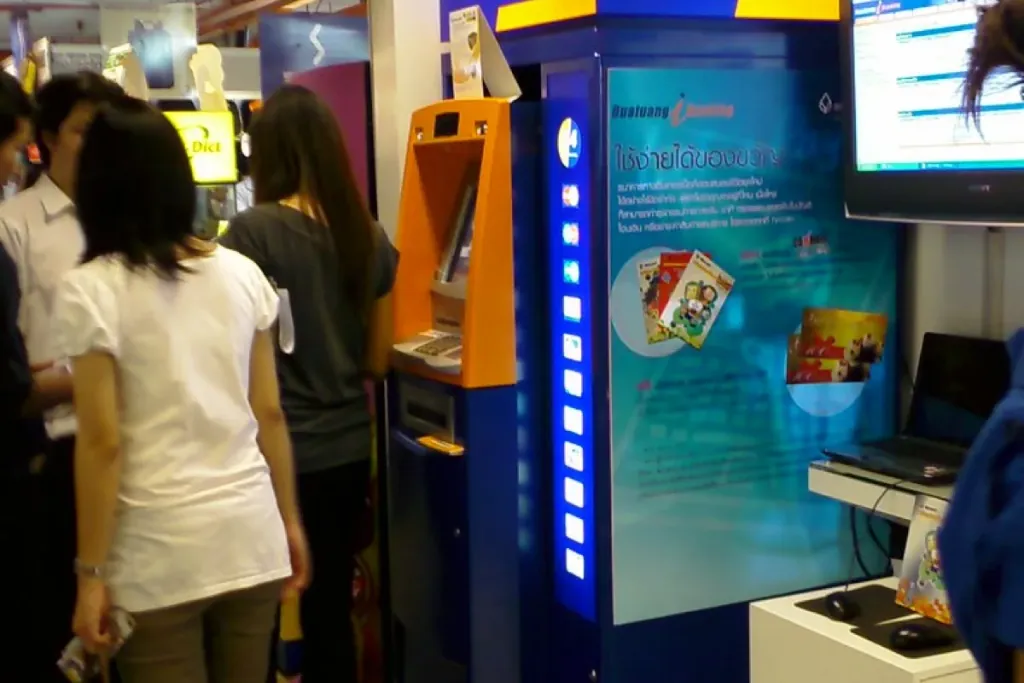 ธนาคารหลักของไทย เช่น ธนาคารกรุงเทพ ถือว่า DTV เป็นวีซ่าท่องเที่ยวและปฏิเสธการเปิดบัญชีส่วนบุคคลใหม่
| แนวทาง | ใช้ได้ผลในปี 2026 หรือไม่? | หมายเหตุ |
|---|---|---|
| เดินเข้าไปที่ ธนาคารกรุงเทพ / KBank / SCB ด้วยวีซ่า DTV | ไม่ได้ ในเกือบทุกกรณี | ถูกปฏิเสธที่เคาน์เตอร์เนื่องจากจัดเป็นประเภทนักท่องเที่ยว |
| สาขาธนาคารกรุงเทพหรือ KBank ในย่านธุรกิจ | หาได้ยาก ไม่แน่นอน | บางคนรายงานว่าสำเร็จ ขึ้นอยู่กับสาขาและพนักงาน ไม่มีการรับประกันใดๆ |
| เป็นนักเรียนที่ลงทะเบียนเรียนพร้อมจดหมายรับรองจากโรงเรียนหรือยิม | มีรายงานบางครั้ง เป็นเรื่องเล่าบอกต่อ | ขึ้นอยู่กับว่าสาขาจะยอมรับจดหมายนั้นหรือไม่ อย่าพึ่งพาวิธีนี้ |
| การใช้ "นายหน้า" หรือเอเยนต์เพื่อจัดการเปิดบัญชี | ไม่ได้ และมีความเสี่ยง | สาขาที่ฝ่าฝืนกฎจะถูกขึ้นธง บัญชีอาจถูกระงับ |
| เปลี่ยนไปถือวีซ่าพำนักระยะยาวที่มีคุณสมบัติเหมาะสมก่อน | ได้ | เส้นทางที่เชื่อถือได้ ธนาคารต้องการสถานะหนึ่งปี |
| บัญชีหลายสกุลเงิน Wise พร้อมเงินบาทไทยและพร้อมเพย์ | ได้ แต่ไม่ใช่บัญชีธนาคารไทย | DTV ได้รับการยอมรับสำหรับการยืนยันตัวตน เป็นผลิตภัณฑ์คนละประเภทกัน |
ที่ปรึกษาบางรายตั้งข้อสังเกตว่า หากมีข้อยกเว้นใดๆ สาขาของธนาคารกรุงเทพและธนาคารกสิกรไทยที่คุ้นเคยกับผู้ถือวีซ่า LTR และ Non-Immigrant จะเป็นกลุ่มที่มีโอกาสพิจารณาคุณมากที่สุด บางครั้งอาจต้องใช้ร่วมกับจดหมายรับรองจากค่ายมวยไทยหรือโรงเรียนสอนทำอาหารที่ได้รับการรับรอง แม้กระนั้น ความสำเร็จก็ขึ้นอยู่กับแต่ละสาขาเป็นอย่างมาก ดังนั้นอย่าเดินทางข้ามประเทศเพื่อตามล่าความน่าจะเป็น
เอเยนต์และนายหน้า: ทำไมวิธีนี้จึงไม่น่าเชื่อถือ
อย่ามองว่าเอเยนต์วีซ่าหรือ "นายหน้า" ธนาคารเป็นวิธีที่พึ่งพาได้ในการเปิดบัญชีด้วยวีซ่า DTV เนื่องจากช่องทางที่พวกเขาเคยพึ่งพานั้นส่วนใหญ่ถูกปิดลงแล้ว ระยะหนึ่ง เอเยนต์ในพัทยา, ภูเก็ต, และกรุงเทพฯ สามารถพา ลูกค้าเข้าไปในสาขาที่ให้ความร่วมมือได้ แต่การตรวจสอบบัญชีม้าได้เปลี่ยนสมการสำหรับทุกคน สาขาที่ฝ่าฝืนกฎในตอนนี้จะถูกขึ้นธง และพนักงานที่ดำเนินการบัญชีที่ไม่มีคุณสมบัติจะเผชิญกับการลงโทษ ดังนั้นสาขาที่เป็นมิตรที่เอเยนต์ของคุณรู้จักเมื่อปีที่แล้วอาจปฏิเสธในวันนี้ได้อย่างง่ายดาย
มีความเสี่ยงที่มากกว่าเงินที่เสียไป บัญชีที่เปิดนอกเหนือกฎระเบียบอาจถูกระงับหรือยกเลิกได้ในภายหลัง และร่องรอยของเอกสารที่เป็นเท็จถือเป็นปัญหาใหญ่ กฎความปลอดภัยนั้นง่ายมาก: ห้ามส่งเอกสารปลอม, ห้ามจ่ายเงินเพื่อบัญชีที่ "รับประกันได้", และจงสงสัยในทุกคนที่รับประกันความแน่นอน หากเอเยนต์รับประกันบัญชีธนาคาร DTV ในปี 2026 นั่นคือสัญญาณเตือนให้คุณเดินหนี
สัญญาณเตือนที่ควรหลีกเลี่ยง
- การันตีอนุมัติ. ไม่มีใครสามารถรับประกันบัญชี DTV ใหม่ได้ นโยบายขึ้นอยู่กับธนาคาร ไม่ใช่เอเยนต์
- เอกสารปลอม. หนังสือรับรองถิ่นที่อยู่หรือจดหมายรับรองรายได้ที่ปลอมแปลงอาจทำให้บัญชีถูกระงับและสร้างความเสี่ยงทางกฎหมาย
- ค่าใช้จ่ายล่วงหน้าเพื่อเข้าถึงบริการ. การจ่ายเงินเพิ่มเพื่อ "รู้จักสาขา" จะซื้อความเสี่ยงที่จะถูกปฏิเสธ ไม่ใช่ผลลัพธ์ที่ต้องการ
- เร่งรัดให้ดำเนินการด่วน. ความเร่งรีบคือกลยุทธ์การขาย ไม่ใช่สะท้อนว่ากฎระเบียบของธนาคารทำงานอย่างไรจริงๆ
บัญชีที่ถูกระงับและถูกขึ้นธงในปี 2026
หากคุณเคยเปิดบัญชีมาก่อนหน้านี้ ความเสี่ยงในตอนนี้คือบัญชีของคุณอาจถูกระงับหรือตรวจสอบ ไม่ใช่เรื่องที่คุณจะเปิดบัญชีใหม่ได้ ผู้ถือวีซ่า DTV หลายคนที่เปิดบัญชีในช่วงปลายปี 2024 ก่อนที่จะมีการเข้มงวด ได้รายงานว่าบัญชีของพวกเขาถูกขึ้นธงเพื่อตรวจสอบการปฏิบัติตามกฎระเบียบหรือถูกระงับในปี 2026 บางครั้งเกิดขึ้นหลังจากเปลี่ยนมาถือวีซ่า DTV จากสถานะอื่น กรอบการต่อต้านการฉ้อโกงแบบเดียวกันที่บล็อกบัญชีใหม่ยังขับเคลื่อนการตรวจสอบบัญชีที่มีอยู่เดิมด้วย และการตรวจสอบสามารถมาถึงได้โดยมีการเตือนล่วงหน้าน้อยมาก
หากบัญชีของคุณถูกระงับ ให้ติดต่อธนาคารโดยตรง สอบถามว่าพวกเขาต้องการเอกสารอะไรบ้าง และเตรียมพร้อมที่จะแสดงวัตถุประสงค์ที่แท้จริงและที่มาของเงินทุน อย่าเคลื่อนย้ายเงินจำนวนมากหรือผิดปกติที่อาจดูน่าสงสัยในระหว่างที่บัญชีอยู่ระหว่างการตรวจสอบ เก็บหลักฐานรายได้และที่อยู่ของคุณไว้ และหากสถานการณ์มีความซับซ้อนหรือมีเงินฝากจำนวนมาก ให้ขอความช่วยเหลือจากผู้เชี่ยวชาญแทนที่จะคาดเดา ความจริงก็คือบัญชี DTV แม้จะเป็นบัญชีเก่า ก็มีความเสี่ยงไม่มั่นคงเท่ากับบัญชีที่ถือด้วยวีซ่าพำนักระยะยาว
วีซ่าที่มีคุณสมบัติเหมาะสมสำหรับการเปิดบัญชีธนาคารไทย
วิธีที่เชื่อถือได้ในการเปิดบัญชีธนาคารไทยคือการถือวีซ่าที่ให้สถานะพำนักระยะยาวแบบ Non-Immigrant โดยในอุดมคติควรมีอายุเต็มปีหรือมากกว่านั้น นี่คือเกณฑ์มาตรฐานที่ธนาคารมองหา และเป็นสิ่งที่ MBMG และที่ปรึกษารายอื่นๆ ชี้ว่าเป็นทางออกที่แท้จริง หากบัญชีไทยมีความสำคัญต่อคุณอย่างแท้จริง การเปลี่ยนประเภทวีซ่าคือคำตอบที่ตรงไปตรงมา ไม่ใช่การวิ่งไล่หาทางเลี่ยงของ DTV
| วีซ่า / สถานะ | ผลลัพธ์ทั่วไปจากธนาคาร | เหมาะที่สุดสำหรับ |
|---|---|---|
| Non-B พร้อมใบอนุญาตทำงาน (Work Permit) | ยอมรับ ใบอนุญาตทำงานช่วยเพิ่มน้ำหนักให้กรณีนี้ | ผู้ที่ทำงานหรือบริหารบริษัทในไทย |
| LTR (Long Term Resident) | ยอมรับ ธนาคารปฏิบัติกับผู้ถือ LTR เป็นอย่างดี | ผู้มีรายได้สูง, ผู้เกษียณอายุ, พนักงานทางไกลที่มีคุณสมบัติเหมาะสม |
| เกษียณอายุ (Non-O / O-A) | ยอมรับ เส้นทางทั่วไปสำหรับผู้มีอายุ 50 ปีขึ้นไป | ผู้เกษียณอายุที่มาตั้งถิ่นฐานระยะยาว |
| สมรสกับคนไทย (Non-O) | ยอมรับ มักต้องใช้เอกสารสนับสนุน | ชาวต่างชาติที่แต่งงานกับพลเมืองไทย |
| DTV (ประเภทนักท่องเที่ยว) | ไม่รับเปิดบัญชีใหม่ | ไม่ใช่ช่องทางการธนาคาร |
หากคุณกำลังชั่งน้ำหนักเรื่องการเปลี่ยนวีซ่า คู่มือของเรามีรายละเอียดสำหรับแต่ละตัวเลือก: คู่มือวีซ่า Non-B และใบอนุญาตทำงาน, คู่มือวีซ่า LTR ประเทศไทย, คู่มือวีซ่าเกษียณอายุประเทศไทย, และคู่มือวีซ่าแต่งงานประเทศไทย สำหรับผู้ที่มีอายุ 50 ปีขึ้นไปโดยเฉพาะ การวิเคราะห์เรื่องจำนวนเงินที่คุณต้องใช้ในการเกษียณอายุในประเทศไทยของเราจะแสดงให้เห็นว่าทำไมเส้นทางเกษียณอายุจึงมักทำให้ปัญหาเรื่องธนาคารหายไปอย่างสิ้นเชิง
ชอบภาพรวมทั้งหมดใช่ไหม? คู่มือฉบับสมบูรณ์ในการเปิดบัญชีธนาคารในประเทศไทยของเราครอบคลุมวีซ่าทุกประเภท เอกสารที่แน่นอนที่ธนาคารแต่ละแห่งร้องขอ และสิ่งที่ใช้ได้จริงในปี 2026 คั่นหน้าหน้านี้ไว้พร้อมกับหน้าเฉพาะของ DTV นี้
ทางเลือกจริงสำหรับการใช้เงินในชีวิตประจำวัน
คุณสามารถใช้ชีวิตในประเทศไทยได้อย่างสบายใจโดยไม่ต้องมีบัญชีธนาคารไทย ด้วยการรวมเครื่องมือการเงินระหว่างประเทศเข้ากับการธนาคารในประเทศบ้านเกิดของคุณ นี่คือสิ่งที่ผู้ถือวีซ่า DTV ส่วนใหญ่ทำกันจริง ๆ และสำหรับการใช้จ่ายในชีวิตประจำวันมันได้ผลดีมาก เคล็ดลับคือการแยกแยะสิ่งที่เป็นความจริงที่น่าเชื่อถือออกจากเรื่องเล่าบอกต่อ
 Wise, Revolut และเงินสดครอบคลุมการใช้จ่ายประจำวันเป็นเงินบาทสำหรับผู้ถือวีซ่า DTV โดยไม่ต้องมีบัญชีธนาคารไทย
บัญชีหลายสกุลเงิน Wise
Wise เป็นเครื่องมือที่มีประโยชน์ที่สุดสำหรับผู้ถือ DTV เนื่องจากปัจจุบัน Wise ยอมรับวีซ่า DTV สำหรับการยืนยันตัวตนแม้ว่าจะไม่ใช่ธนาคารไทยก็ตาม ในการอัปเดตบัญชีประเทศไทยของ Wise ระบุว่า วีซ่าประเภท Non-Immigrant เช่น วีซ่า Destination Thailand Visa สามารถใช้เพื่อจุดประสงค์ในการยืนยันตัวตนได้ บัญชี Wise ให้คุณถือเงินบาทไทย, มีบัตรเดบิต, และเข้าถึงบริการพร้อมเพย์สำหรับการชำระเงินในท้องถิ่นและการโอนผ่าน QR โค้ด โปรดทราบว่ากฎการยืนยันตัวตนของ Wise เองยังคงไม่รวมตราประทับนักท่องเที่ยวทั่วไปและหนังสือรับรองถิ่นที่อยู่ ดังนั้นโปรดเตรียมเอกสาร DTV ของคุณให้พร้อม Wise ยังเป็นวิธีที่ถูกที่สุดในการโอนเงินเข้าประเทศ ซึ่งเราได้ครอบคลุมไว้ในคู่มือการส่งเงินมาประเทศไทย
Revolut, การธนาคารในประเทศบ้านเกิด และบัตรต่างๆ
Revolut ทำงานในลักษณะเดียวกันในฐานะแอปพลิเคชันหลายสกุลเงินสำหรับการใช้จ่ายและการโอนเงิน และหลายคนเลือกที่จะเก็บบัญชีธนาคารที่บ้านเกิดไว้และใช้บัตรท่องเที่ยวที่มีค่าธรรมเนียมต่ำสำหรับการซื้อของในแต่ละวัน ตู้ ATM ของไทยรับบัตรต่างประเทศ แม้ว่าจะมีการคิดค่าธรรมเนียมต่อการถอนหนึ่งครั้ง ดังนั้นการถอนเงินจำนวนที่มากขึ้นแต่ความถี่น้อยลงจะช่วยลดต้นทุนได้ พร้อมเพย์ที่ผูกกับบัตรต่างประเทศมีข้อจำกัดเมื่อเทียบกับบัญชีไทย ดังนั้นให้มองสิ่งเหล่านี้เป็นเครื่องมือใช้จ่าย ไม่ใช่สิ่งทดแทนระบบธนาคารในท้องถิ่นอย่างเต็มรูปแบบ
สำหรับเหล่าดิจิทัลโนแมดที่กำลังวางแผนตั้งถิ่นฐาน คู่มือของเราเรื่องการใช้ชีวิตในภูเก็ตในฐานะดิจิทัลโนแมดและบทความวิเคราะห์ค่าครองชีพในภูเก็ตจะแสดงให้เห็นว่าแนวทางการใช้ Wise ร่วมกับบัตรต่างๆ จัดการกับค่าเช่า, ค่าอาหาร, และบิลค่าใช้จ่ายในทางปฏิบัติอย่างไร ทางเลือกไหนที่เชื่อถือได้? Wise และ Revolut ได้รับการพิสูจน์แล้ว แต่บัญชีธนาคาร DTV ผ่านสาขาที่เป็นมิตรนั้นไม่ใช่
เอกสารและขั้นตอนหากคุณยังต้องการลอง
หากคุณต้องการลองเปิดบัญชีอยู่ดี จงเตรียมตัวให้พร้อม ลดความคาดหวังลง และห้ามทำเอกสารปลอมเด็ดขาด ผู้สมัครที่เตรียมตัวมาเป็นอย่างดีบางครั้งอาจประสบความสำเร็จที่สาขาที่เห็นอกเห็นใจ แต่การเตรียมตัวจะช่วยเพิ่มโอกาสได้เพียงเล็กน้อยเท่านั้น ธนาคารมักจะขอเอกสารเหล่านี้จากผู้สมัคร DTV และแม้จะมีเอกสารทั้งหมดคุณก็ยังอาจถูกปฏิเสธ
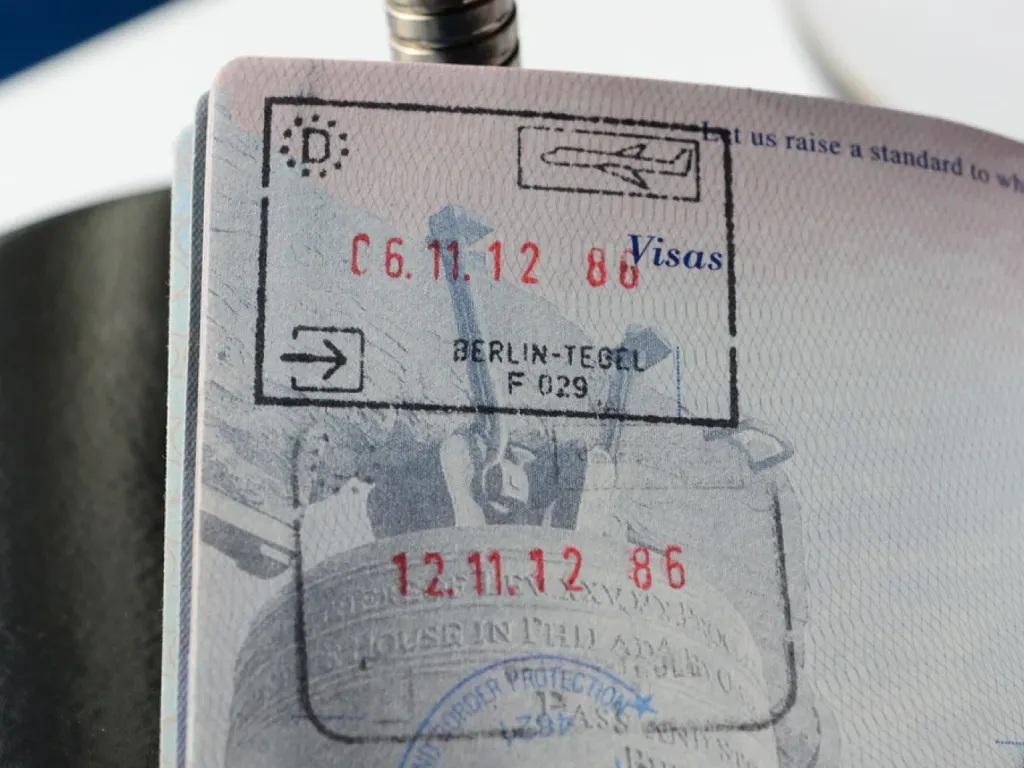 แม้จะมีหนังสือเดินทาง, ตราประทับ DTV และหลักฐานยืนยันที่อยู่พร้อม ผู้สมัคร DTV ก็ยังอาจถูกปฏิเสธ
- หนังสือเดินทางของคุณพร้อมตราประทับวีซ่า DTV
- หนังสือรับรองถิ่นที่อยู่จากสำนักงานตรวจคนเข้าเมืองของไทยหรือสถานทูตของคุณ
- หมายเลขโทรศัพท์มือถือของประเทศไทยในชื่อของคุณเอง
- หลักฐานแสดงที่อยู่ เช่น TM30 จากเจ้าของที่พักหรือโรงแรมของคุณ
- จดหมายรับรองหรือจดหมายลงทะเบียนหากคุณกำลังศึกษาอยู่ที่โรงเรียนหรือยิมที่ได้รับการรับรอง
สอบถามที่สาขาใหญ่ในย่านธุรกิจ, สุภาพ, และยอมรับคำปฏิเสธด้วยความสุภาพเพื่อไม่ให้สร้างประวัติการถูกปฏิเสธซ้ำๆ หากสาขาหนึ่งปฏิเสธ นั่นคือนโยบายของธนาคาร ไม่ใช่ความท้าทายที่จะต้องไปถกเถียง ภาพรวมของ Siam Legal ยืนยันว่ามีเพียงชาวต่างชาติที่ถือวีซ่าพำนักระยะยาวเท่านั้นที่สามารถเปิดบัญชีได้อย่างน่าเชื่อถือ ดังนั้นการถูกปฏิเสธด้วยวีซ่า DTV จึงเป็นผลลัพธ์ที่คาดไว้ ไม่ใช่เรื่องโชคร้าย
สิ่งนี้หมายความอย่างไรสำหรับวีซ่า DTV และภาษีของคุณ
ข่าวดี: คุณไม่ต้องมีบัญชีธนาคารไทยเพื่อให้วีซ่า DTV ของคุณยังคงใช้งานได้ หลักฐานทางการเงินสำหรับการสมัคร DTV แสดงจากเงินทุนของคุณเอง โดยปกติจะอยู่ในบัญชีที่ประเทศบ้านเกิดของคุณ ดังนั้นบัญชีไทยจึงไม่ได้เป็นส่วนหนึ่งของการรักษาวีซ่าให้คงอยู่ ตามที่ThaiEmbassy ระบุว่า การถือเงินในบัญชีไทยเป็นข้อกำหนดสำหรับวีซ่าพำนักระยะยาวบางประเภท ไม่ใช่สำหรับ DTV
เงินที่คุณนำเข้ามาในประเทศไทยอาจมีผลกระทบทางภาษีขึ้นอยู่กับสถานะผู้มีถิ่นที่อยู่และจังหวะเวลาของคุณ และนั่นเป็นสิ่งคุ้มค่าที่จะทำความเข้าใจไม่ว่าคุณจะทำธุรกรรมธนาคารในท้องถิ่นหรือไม่ก็ตาม คู่มือเรื่องภาษีเงินได้ต่างประเทศในประเทศไทยของเราอธิบายว่าชาวต่างชาติจ่ายภาษีเท่าใดสำหรับเงินที่นำเข้ามาในประเทศ และหากการพำนักของคุณทำให้เกิดหน้าที่ต้องรายงานอย่างต่อเนื่อง คู่มือการรายงานตัว 90 วันของเราครอบคลุมขั้นตอนการจัดการส่วนนั้น ไม่มีสิ่งใดขึ้นอยู่กับการมีบัญชีธนาคารไทย ซึ่งเป็นอีกหนึ่งเหตุผลที่ไม่ต้องเครียดเรื่องการถูกปฏิเสธ
เมื่อใดควรขอความช่วยเหลือจากผู้เชี่ยวชาญ
หากบัญชีธนาคารไทยมีความสำคัญต่อแผนของคุณอย่างแท้จริง การดำเนินการที่มีมูลค่าสูงสุดมักจะเป็นการพูดคุยกับทนายความด้านวีซ่าหรือที่ปรึกษาที่มีชื่อเสียงเกี่ยวกับการเปลี่ยนไปใช้สถานะที่มีคุณสมบัติเหมาะสม แทนที่จะวิ่งไล่หาทางเลี่ยง ที่ปรึกษาที่ดีสามารถบอกคุณตามตรงได้ว่าวีซ่า LTR, Non-B พร้อมใบอนุญาตทำงาน, วีซ่าเกษียณอายุ, หรือวีซ่าแต่งงานเหมาะกับสถานการณ์ของคุณหรือไม่ และการเปลี่ยนผ่านต้องทำอย่างไร นั่นคือทางออกที่แท้จริงพร้อมกับบัญชีที่มีความเสถียรในตอนท้าย แทนที่จะเป็นบัญชีที่เปราะบางและอาจถูกระงับได้
คู่มือนี้เป็นข้อมูลทั่วไป ไม่ใช่คำแนะนำทางการเงินหรือกฎหมาย นโยบายของธนาคารแตกต่างกันไปตามแต่ละสาขาและเปลี่ยนแปลงตามกาลเวลา ดังนั้นโปรดตรวจสอบนโยบายปัจจุบันกับธนาคารหรือสาขาเฉพาะก่อนที่จะพึ่งพานโยบายดังกล่าว และพูดคุยกับผู้เชี่ยวชาญที่มีคุณสมบัติเหมาะสมสำหรับเรื่องที่มีความซับซ้อนหรือมีมูลค่าสูง สิ่งที่เป็นจริงตลอดปี 2026 คือทิศทางของการเดินทาง: ธนาคารต้องการสถานะพำนักระยะยาว และ DTV ไม่ได้มอบสิ่งนั้นให้
คำถามที่พบบ่อย
คุณสามารถเปิดบัญชีธนาคารด้วยวีซ่า DTV ได้หรือไม่
ในเกือบทุกกรณี ไม่ได้ ตั้งแต่ปี 2026 เป็นต้นมา ธนาคารใหญ่ของไทยถือว่า DTV เป็นประเภทนักท่องเที่ยวและปฏิเสธการเปิดบัญชีส่วนบุคคลใหม่สำหรับผู้ถือวีซ่า มีคนส่วนน้อยที่รายงานว่าสำเร็จผ่านสาขาเฉพาะหรือจดหมายรับรองจากโรงเรียน แต่ไม่มีวิธีที่เชื่อถือได้ ดังนั้นควรวางแผนเผื่อใจสำหรับการถูกปฏิเสธ
ธนาคารไทยแห่งใดบ้างที่รับวีซ่า DTV
ไม่มีธนาคารใหญ่ของไทยแห่งใดที่รับผู้ถือวีซ่า DTV สำหรับบัญชีใหม่อย่างแน่นอน ธนาคารกรุงเทพ, ธนาคารกสิกรไทย, และ SCB ต่างก็ปฏิเสธผู้สมัครที่เป็นนักท่องเที่ยวและผู้ถือ DTV ภายใต้กฎปัจจุบัน หากมีข้อยกเว้นที่หาได้ยาก ข้อยกเว้นนั้นจะเฉพาะเจาะจงตามสาขาและไม่มีการรับประกันใดๆ ดังนั้นอย่าพึ่งพิงธนาคารใดธนาคารหนึ่งว่าจะตอบรับ
TM30 และหลักฐานว่าคุณอาศัยและทำงานที่นี่สามารถช่วยให้คุณเปิดบัญชีได้หรือไม่
ไม่ได้อย่างแน่นอน TM30 และหนังสือรับรองถิ่นที่อยู่พิสูจน์ที่อยู่ของคุณ และใบเสร็จจากโคเวิร์กสเปซแสดงว่าคุณเช่าโต๊ะทำงาน แต่ไม่มีสิ่งใดเปลี่ยนสิ่งเดียวที่ธนาคารตรวจสอบจริงๆ นั่นคือประเภทวีซ่าของคุณ DTV ถูกจัดอยู่ในประเภทนักท่องเที่ยว ดังนั้นการพิสูจน์ว่าคุณอาศัยอยู่ที่นี่จึงไม่ได้ทำให้คุณย้ายไปอยู่ในหมวดหมู่ที่ธนาคารต้องการ ใบเสร็จโคเวิร์กสเปซไม่ใช่ใบอนุญาตทำงาน และ DTV ไม่อนุญาตให้คุณทำงานให้กับนายจ้างไทย ดังนั้นจึงไม่นับเป็นการจ้างงานในท้องถิ่นที่ธนาคารมองหา เอกสารเหล่านี้สามารถช่วยได้เล็กน้อยและควรมีไว้ และมีคนจำนวนน้อยที่รายงานว่าประสบความสำเร็จที่สาขาเฉพาะด้วยชุดเอกสารครบถ้วน แต่มันไม่สอดคล้องกันและบัญชีเหล่านั้นบางบัญชีก็ถูกระงับในเวลาต่อมา เอกสารที่ปลดล็อกบัญชีไทยได้อย่างแท้จริงคือวีซ่าพำนักระยะยาวที่มีคุณสมบัติเหมาะสมหรือใบอนุญาตทำงาน ซึ่งผู้ถือวีซ่า DTV ไม่มี
คุณสามารถใช้เอเยนต์เพื่อเปิดบัญชีธนาคารในประเทศไทยได้หรือไม่
ไม่น่าเชื่อถือ และมีความเสี่ยง เส้นทางผ่านเอเยนต์ที่เคยใช้ได้ผลส่วนใหญ่ปิดตัวลงแล้วเนื่องจากสาขาที่ฝ่าฝืนกฎจะถูกขึ้นธงในการตรวจสอบ หลีกเลี่ยงผู้ที่รับประกันบัญชี และห้ามส่งเอกสารปลอม ซึ่งอาจทำให้บัญชีถูกระงับและสร้างปัญหาทางกฎหมาย
คุณต้องใช้วีซ่าอะไรในการเปิดบัญชีธนาคารไทย
โดยทั่วไปคุณต้องมีสถานะพำนักระยะยาวแบบ Non-Immigrant เป็นเวลาประมาณหนึ่งปีหรือมากกว่านั้น ซึ่งรวมถึงวีซ่า Non-B พร้อมใบอนุญาตทำงาน, วีซ่า LTR, วีซ่าเกษียณอายุ, หรือวีซ่าแต่งงาน หมวดหมู่เหล่านี้ตรงตามเกณฑ์มาตรฐานที่ธนาคารมองหา ซึ่งวีซ่า DTV ในฐานะวีซ่าท่องเที่ยวไม่สามารถตอบโจทย์ได้
Wise ใช้ได้ในประเทศไทยสำหรับผู้ถือวีซ่า DTV หรือไม่
ได้ ปัจจุบัน Wise ยอมรับวีซ่า DTV เพื่อยืนยันบัญชี Wise ให้คุณถือเงินบาทไทย, มีบัตร, และเข้าถึงพร้อมเพย์ได้ มันไม่ใช่บัญชีธนาคารไทย แต่สำหรับการใช้จ่ายและการโอนเงินในชีวิตประจำวันมันใช้งานได้ดีและเป็นทางเลือกที่ใช้งานได้จริงที่สุดสำหรับผู้ถือวีซ่า DTV ส่วนใหญ่
สัญชาติอเมริกันสามารถเปิดบัญชีธนาคารไทยด้วยวีซ่า DTV ได้หรือไม่
สัญชาติไม่ใช่สิ่งกีดขวาง แต่ประเภทวีซ่าต่างหาก สัญชาติอเมริกันที่ถือวีซ่า DTV ต้องเผชิญกับการจัดประเภทนักท่องเที่ยวเช่นเดียวกับคนอื่นๆ และจะถูกปฏิเสธการเปิดบัญชีใหม่ที่ธนาคารใหญ่ การเปลี่ยนไปใช้วีซ่าพำนักระยะยาวที่มีคุณสมบัติเหมาะสมคือเส้นทางที่จะเปลี่ยนผลลัพธ์
ทำไมบัญชีธนาคาร DTV บางบัญชีจึงถูกระงับ
กรอบงานต่อต้านการฉ้อโกงของประเทศไทยเป็นตัวขับเคลื่อนการตรวจสอบบัญชีที่มีอยู่เดิม ไม่ใช่แค่บัญชีใหม่เท่านั้น บัญชีที่เปิดก่อนการเข้มงวด หรือหลังจากเปลี่ยนมาถือวีซ่า DTV อาจถูกขึ้นธงเพื่อตรวจสอบการปฏิบัติตามกฎระเบียบ หากบัญชีของคุณถูกระงับ ให้ติดต่อธนาคาร แสดงวัตถุประสงค์ที่แท้จริงและแหล่งที่มาของเงินทุน และขอความช่วยเหลือหากมียอดเงินคงเหลือจำนวนมาก
คุณต้องมีเงินในบัญชีเท่าไหร่สำหรับวีซ่า DTV
โดยทั่วไปวีซ่า DTV กำหนดให้ต้องมีหลักฐานแสดงเงินทุนเทียบเท่าประมาณ 500,000 บาท แสดงจากบัญชีของคุณเอง โดยปกติจะอยู่ที่ประเทศบ้านเกิดของคุณ ไม่จำเป็นต้องอยู่ในบัญชีธนาคารไทย ดังนั้นคุณจึงสามารถทำตามข้อกำหนดได้โดยไม่ต้องใช้ระบบธนาคารในท้องถิ่น โปรดตรวจสอบยอดเงินปัจจุบันกับสถานทูตผู้ออกวีซ่าเสมอ
ชาวต่างชาติสามารถเปิดบัญชีธนาคารไทยออนไลน์ด้วยวีซ่า DTV ได้หรือไม่
ไม่ได้ ธนาคารไทยกำหนดให้ต้องมีการยืนยันตัวตนด้วยตนเองสำหรับการเปิดบัญชีใหม่ และใช้การกีดขวางประเภทนักท่องเที่ยวแบบเดียวกันไม่ว่าจะทางออนไลน์หรือที่สาขา ไม่มีเส้นทางระยะไกลที่ถูกกฎหมายสำหรับการเปิดบัญชี DTV ใหม่ สำหรับการจัดการเงินออนไลน์ บัญชี Wise หรือ Revolut ที่ยืนยันตัวตนแล้วคือตัวเลือกที่เป็นจริง
คู่มือ Thailand Stuff ที่เกี่ยวข้อง
| คู่มือ | เนื้อหาที่ครอบคลุม |
|---|---|
| การเปิดบัญชีธนาคารในประเทศไทย | คู่มือฉบับมาตรฐานสำหรับทุกประเภทวีซ่าและธนาคาร |
| คู่มือวีซ่า Destination Thailand Visa (DTV) | วิธีการทำงาน, ค่าใช้จ่าย, และข้อกำหนดของ DTV |
| คู่มือวีซ่า LTR ประเทศไทย | วีซ่าพำนักระยะยาวที่ธนาคารยอมรับ |
| การส่งเงินมาประเทศไทย | วิธีที่ถูกที่สุดในการย้ายเงินทุน รวมถึง Wise |
| ภาษีเงินได้ต่างประเทศในประเทศไทย | สิ่งที่ชาวต่างชาติจ่ายสำหรับเงินที่นำเข้ามา |
แหล่งที่มา
- ธนาคารแห่งประเทศไทย, มาตรการเสริมเพื่อจัดการบัญชีม้า
- ธนาคารแห่งประเทศไทย, คำถามที่พบบ่อยเกี่ยวกับภัยคุกคามทางการเงิน
- MBMG Group, ทำไมการเปิดบัญชีธนาคารไทยจึงยากขึ้น (อัปเดตปี 2026)
- Statrys, ธนาคารที่ดีที่สุดสำหรับชาวต่างชาติที่อาศัยอยู่ในประเทศไทย
- Siam Legal, การเปิดบัญชีธนาคารในประเทศไทยสำหรับชาวต่างชาติ
- ThaiEmbassy.com, การเปิดบัญชีธนาคารในประเทศไทย
- Wise, การเปลี่ยนแปลงที่กำลังจะมีขึ้นในบัญชี Wise ของคุณในประเทศไทย
- Wise, การยืนยันตัวตนในประเทศไทย
- Bangkok Post, ธนาคารกรุงเทพเข้มงวดกฎการเปิดบัญชีสำหรับชาวต่างชาติบางกลุ่ม
เกี่ยวกับคู่มือนี้
คู่มือนี้ได้รับการค้นคว้าและเขียนโดยทีมบรรณาธิการของ Thailand Stuff ซึ่งอาศัยอยู่ในและครอบคลุมพื้นที่ภูเก็ต เราตรวจสอบคู่มือของเราเทียบกับนโยบายปัจจุบันของธนาคาร, ที่ปรึกษาที่มีชื่อเสียง, และแหล่งข้อมูลอย่างเป็นทางการเช่นธนาคารแห่งประเทศไทย และเราทบทวนเนื้อหาเป็นประจำเพื่อให้มีความเป็นปัจจุบันอยู่เสมอ การตรวจสอบครั้งล่าสุดเกิดขึ้นเมื่อวันที่ 10 สิงหาคม 2026 Thailand Stuff ไม่ใช่ธนาคาร, สำนักงานกฎหมาย, หรือที่ปรึกษาทางการเงินที่ได้รับใบอนุญาต และบทความนี้เป็นข้อมูลทั่วไป ไม่ใช่คำแนะนำทางการเงินหรือกฎหมาย นโยบายของธนาคารและวีซ่ามีความแตกต่างกันไปตามแต่ละสาขาและเปลี่ยนแปลงตามกาลเวลา ดังนั้นโปรดตรวจสอบสถานะปัจจุบันกับธนาคารเฉพาะ, ทนายความด้านวีซ่าที่มีคุณสมบัติเหมาะสม, หรือหน่วยงานไทยที่เกี่ยวข้องก่อนที่คุณจะดำเนินการใดๆ ตามเนื้อหานี้
อ่านต่อ
 News
NewsA Thai senator has proposed letting foreigners own 100% of a business in Thailand to end the nominee system. Here is what was said and what it could mean.
 Practical
นักท่องเที่ยวชำระเงินในประเทศไทยอย่างไร เปรียบเทียบ Wise และบัตรจากประเทศบ้านเกิด, บัตรพรีพายด์ Visa ของ KBank, เงินสด และค่าธรรมเนียมตู้ ATM แบบตรงไปตรงมาโดยไม่ต้องมีบัญชีธนาคารไทย
 News
Newsกลลวงทั่วไปในภูเก็ต ตั้งแต่เล่ห์เหลี่ยมเจ็ตสกีและตุ๊กตุ๊ก ไปจนถึงกลลวงอัญมณี ไทม์แชร์ และบิลค่าเครื่องดื่ม พร้อมสัญญาณเตือน วิธีหลีกเลี่ยง และเบอร์สายด่วน 1155