
กฎใหม่วีซ่าเกษียณอายุไทย 2026: อะไรที่เปลี่ยนไปจริงๆ
อัปเดตแบบตรงไปตรงมาปี 2026 เกี่ยวกับวีซ่าเกษียณอายุของประเทศไทย: กฎเงินฝาก 800,000 และรายได้ 65,000 บาท, ประกันของวีซ่า O-A, ภาษีเงินได้ต่างประเทศแบบใหม่ และสิ่งที่ไม่เปลี่ยนแปลง
Thailand Stuff Editorial Team
Researched and fact-checked against on-the-ground prices and reputable data · 6 Aug 2026 · อ่าน 18 นาที

กฎใหม่วีซ่าเกษียณอายุไทย 2026: อะไรที่เปลี่ยนไปจริงๆ
หากคุณเคยเห็นพาดหัวข่าวเกี่ยวกับ "กฎใหม่วีซ่าเกษียณอายุไทย" สำหรับปี 2026 ขอให้สูดหายใจเข้าลึกๆ เพราะภาพความเป็นจริงนั้นไม่ได้น่าตื่นตระหนกเหมือนกับที่พาดหัวข่าวชวนคลิกกล่าวอ้าง ข้อกำหนดหลักที่ผู้เกษียณอายุส่วนใหญ่ให้ความสนใจ เช่น เงินฝาก 800,000 บาท, ตัวเลือกรายได้ต่อเดือน 65,000 บาท และเกณฑ์อายุ 50 ปี แทบจะไม่มีการเปลี่ยนแปลงสำหรับปี 2026 สิ่งที่มีการเปลี่ยนแปลงอย่างแท้จริงคือเรื่องภาษี ซึ่งปัจจุบันประเทศไทยเก็บภาษีจากรายได้ต่างประเทศที่ผู้อยู่ใน 180 วันนำเข้ามาในประเทศ และนี่คือการเปลี่ยนแปลงที่ผู้เกษียณอายุส่วนใหญ่ยังไม่ได้ทำความเข้าใจอย่างถ่องแท้ การอัปเดตนี้เป็นบทความคู่มือที่สอดคล้องกับ คู่มือวีซ่าเกษียณอายุประเทศไทยฉบับสมบูรณ์ ของเรา ดังนั้นเราจะไม่ขออธิบายซ้ำเกี่ยวกับเอกสารทุกฉบับในที่นี้ แต่เราจะมุ่งเน้นไปที่สิ่งที่ใหม่ สิ่งที่เป็นเพียงข่าวลือ และสิ่งที่คุณควรทำจริงๆ กฎระเบียบของสำนักงานตรวจคนเข้าเมืองมีการเปลี่ยนแปลงและขึ้นอยู่กับดุลยพินิจของเจ้าหน้าที่ ดังนั้นโปรดถือว่าข้อมูลนี้เป็นข้อมูลทั่วไป ไม่ใช่คำแนะนำทางกฎหมาย และควรยืนยันข้อมูลสำคัญใดๆ กับสำนักงานตรวจคนเข้าเมืองแห่งประเทศไทยและสถานทูตของคุณก่อนดำเนินการใดๆ
คำตอบสั้นๆ: อะไรที่เปลี่ยนไปจริงๆ สำหรับปี 2026
สำหรับปี 2026 ตัววีซ่าเกษียณอายุเองไม่มีการเปลี่ยนแปลงกฎระเบียบที่เป็นหัวข้อใหญ่ แต่การปฏิบัติทางภาษีสำหรับเงินที่คุณนำเข้ามาในประเทศไทยนั้นเปลี่ยนไป นี่คือสรุปในบรรทัดเดียว และควรทำความเข้าใจให้ดี เพราะการพูดคุยส่วนใหญ่เกี่ยวกับ "กฎใหม่" ทางออนไลน์มักจะนำเรื่องสามเรื่องมารวมกัน ได้แก่ เกณฑ์ทางการเงินของวีซ่า, ข้อกำหนดด้านประกันสุขภาพในบางประเภท และกฎภาษีเงินได้ต่างประเทศ มีเพียงเรื่องสุดท้ายเท่านั้นที่มีการเปลี่ยนแปลงอย่างมีนัยสำคัญเมื่อเร็วๆ นี้
นี่คือภาพรวมอย่างย่อสำหรับผู้ที่กำลังสมัครหรือต่ออายุวีซ่าเกษียณอายุไทยในปี 2026:
- ใหม่/เพิ่งเกิดขึ้นจริง รายได้จากต่างประเทศที่โอนเข้ามาในประเทศไทยโดยผู้ที่มีถิ่นที่อยู่ทางภาษีในประเทศไทยอาจต้องเสียภาษี ตามกฎระเบียบที่มีผลบังคับใช้ตั้งแต่วันที่ 1 มกราคม 2024 พร้อมทั้งมีการผ่อนปรนที่มีรายงานในปี 2025 นี่คือประเด็นพูดคุยที่แท้จริงสำหรับผู้เกษียณอายุในปี 2026
- ไม่มีการเปลี่ยนแปลงสำหรับปี 2026 ตัวเลือกเงินฝาก 800,000 บาท หรือรายได้ต่อเดือน 65,000 บาท, เกณฑ์อายุขั้นต่ำ 50 ปี, การขยายเวลาอยู่ต่อ 1 ปี และหน้าที่การรายงานตัวประจำปี ล้วนยังคงมีผลบังคับใช้เช่นเดิม
- ไม่ใช่เรื่องใหม่ แต่บังคับใช้อย่างเข้มงวด การแช่เงินในบัญชี (Seasoning), กฎการคงยอดเงิน 400,000 บาท และประกันสุขภาพภาคบังคับสำหรับประเภท O-A ล้วนมีผลบังคับใช้มาหลายปีแล้ว และกำลังถูกนำมาใช้ด้วยความระมัดระวัง ไม่ใช่แบบหลวมๆ
- ข่าวลือ ไม่ใช่กฎหมาย การพูดคุยเกี่ยวกับการ "ปรับปรุงเกณฑ์สำหรับวีซ่าพำนักระยะยาวสำหรับผู้เกษียณอายุ" หรือการยกเลิกกฎ 800,000 บาท เป็นเพียงการคาดเดา ยังไม่มีการตรากฎหมายเปลี่ยนแปลงดังกล่าวแต่อย่างใด
เนื้อหาที่เหลือของบทความนี้จะพาคุณไปทำความเข้าใจทีละประเด็น เพื่อให้คุณสามารถแยกแยะการเปลี่ยนแปลงที่แท้จริงในปี 2026 ออกจากข้อมูลที่เกินจริงได้
อะไรที่ไม่เปลี่ยนแปลง: ข้อกำหนดหลัก
เกณฑ์ทางการเงินและคุณสมบัติสำหรับวีซ่าเกษียณอายุไทยในปี 2026 แทบจะไม่ต่างจากปีก่อนหน้า คุณต้องมีอายุอย่างน้อย 50 ปี และต้องผ่านเกณฑ์ทางการเงินข้อใดข้อหนึ่งด้านล่างนี้ อ้างอิงจาก สถานกงสุลใหญ่ ณ เมืองลอสแอนเจลิส ผู้สมัครต้องมีอายุ 50 ปีขึ้นไป และต้องแสดงยอดเงินในธนาคารไทยไม่น้อยกว่า 800,000 บาท หรือมีหนังสือรับรองรายได้ไม่น้อยกว่า 65,000 บาทต่อเดือน นอกจากนี้ยังยอมรับการผสมผสานระหว่างเงินออมและรายได้ประจำปีรวมกันได้ 800,000 บาทตลอดทั้งปีด้วย
เนื่องจากตัวเลขมีความแตกต่างกันไปตามประเภทวีซ่า การดูข้อมูลเปรียบเทียบเคียงข้างกันจะช่วยให้เข้าใจได้ง่ายขึ้น วีซ่าเกษียณอายุ 3 ประเภทหลักมีข้อกำหนดด้านการเงินและประกันภัยที่แตกต่างกัน แม้ว่าผู้คนมักจะเหมารวมว่าเป็น "วีซ่าเกษียณอายุ" ก็ตาม:
| ประเภท | อายุ | การทดสอบทางการเงิน | ประกันสุขภาพ | ระยะเวลาโดยทั่วไป |
|---|---|---|---|---|
| Non-O (เกษียณอายุ) | 50+ | เงินฝาก 800,000 บาทในธนาคารไทย หรือรายได้ 65,000 บาท/เดือน หรือรวมกันได้ 800,000 บาท/ปี | ไม่บังคับ | ขยายเวลาครั้งละ 1 ปี |
| Non-O-A (พำนักระยะยาว) | 50+ | เงินฝาก 800,000 บาท หรือรายได้ 65,000 บาท/เดือน (แสดงจากประเทศบ้านเกิด) | บังคับ วงเงินคุ้มครอง 3,000,000 บาท | 1 ปี เข้าออกได้หลายครั้ง |
| Non-O-X (10 ปี) | 50+ | เกณฑ์เงินฝาก/รายได้สูงขึ้น (ระดับ 3,000,000 บาท) | บังคับ | 5 + 5 ปี |
เส้นทางที่พบบ่อยที่สุดสำหรับผู้ที่อยู่ในประเทศไทยอยู่แล้วคือการขยายเวลาพำนักประเภท Non-O ซึ่งไม่ต้องใช้กรมธรรม์ประกันภัยวงเงินสูง ส่วนประเภท O-A ที่สมัครจากประเทศบ้านเกิด เป็นประเภทที่มีข้อกำหนดเรื่องประกันสุขภาพภาคบังคับ หากข้อมูลเหล่านี้ยังไม่คุ้นเคย คู่มือวีซ่าเกษียณอายุฉบับเต็ม จะอธิบายขั้นตอนการสมัครทั้งหมดทีละขั้นตอน หน้านี้สันนิษฐานว่าคุณรู้พื้นฐานอยู่แล้วและต้องการทราบเฉพาะส่วนต่างของปี 2026 เท่านั้น
กฎเงินฝาก 800,000 บาท และกฎการแช่เงินในบัญชีรวมถึงการคงยอดเงิน 400,000 บาท
 กฎเงินฝาก 800,000บาทยังคงไม่เปลี่ยนแปลงสำหรับปี 2026 แต่เงินจำนวนดังกล่าวจะต้องถูกแช่ไว้ในธนาคารของไทย (ภาพถ่ายผ่าน Flickr, CC BY 2.0)
ตัวเลข 800,000 บาทไม่ได้เปลี่ยนแปลงไป แต่ความเข้มงวดในการบังคับใช้กฎระเบียบสนับสนุนรอบๆ ตัวเลขนี้คือจุดที่ทำให้ผู้เกษียณอายุหลายคนตกม้าตาย เงินจำนวนนี้ไม่ใช่แค่ตัวเลขที่คุณแสดงให้เห็นในวันสมัครเท่านั้น สำหรับการขยายเวลา Non-O ภายในประเทศ เงินดังกล่าวจะต้องผ่านการ "แช่บัญชี" ซึ่งหมายความว่าเงิน 800,000 บาทจะต้องอยู่ในบัญชีธนาคารไทยของคุณเป็นเวลาอย่างน้อยสองเดือนก่อนการสมัครครั้งแรก และสามเดือนก่อนการต่ออายุในแต่ละปี
นอกจากนี้ยังมีกฎการคงยอดเงินที่ทำให้หลายคนประหลาดใจ หลังจากที่คุณได้รับการอนุมัติการขยายเวลาแล้ว ยอดเงินในบัญชีอาจลดลงได้ในช่วงหนึ่งของปี แต่ต้องคงเหลือมากกว่า 400,000 บาทตลอดเวลา และจะต้องเติมเงินให้กลับมาเต็ม 800,000 บาทเป็นเวลาสามเดือนก่อนการต่ออายุครั้งถัดไป ไม่มีข้อใดเหล่านี้ที่เป็นเรื่องใหม่สำหรับปี 2026 แต่เจ้าหน้าที่ตรวจคนเข้าเมืองกำลังบังคับใช้อย่างสม่ำเสมอ และเอกสารที่มีความซับซ้อน (เช่น เงินออมส่วนหนึ่งและรายได้ส่วนหนึ่ง) อาจนำมาซึ่งการตรวจสอบที่ละเอียดยิ่งขึ้น การถือเงินฝากนี้คุณจะต้องมีบัญชีธนาคารในท้องถิ่น และคำแนะนำของเราเกี่ยวกับการ เปิดบัญชีธนาคารในประเทศไทย จะครอบคลุมถึงสิ่งที่ใช้งานได้จริงสำหรับชาวต่างชาติในตอนนี้
ข้อปฏิบัติจริง: หากคุณพึ่งพาเส้นทางเงินฝาก นำเงินเข้าบัญชีในประเทศไทยตั้งแต่เนิ่นๆ ปล่อยไว้โดยไม่แตะต้องตลอดช่วงเวลาแช่บัญชี และเก็บบัญชีเดินสะพัดให้สะอาด หากคุณพึ่งพาเส้นทางรายได้ 65,000 บาทต่อเดือน ให้เตรียมพร้อมสำหรับจดหมายรับรองรายได้จากสถานทูตหรือหลักฐานการโอนเงินที่ได้รับการตรวจสอบแล้ว เนื่องจากสำนักงานตรวจคนเข้าเมืองบางแห่งไม่ยอมรับการประกาศรายได้ด้วยตนเองอีกต่อไป
ประกันสุขภาพ: ใครบ้างที่จำเป็นต้องมีในปี 2026
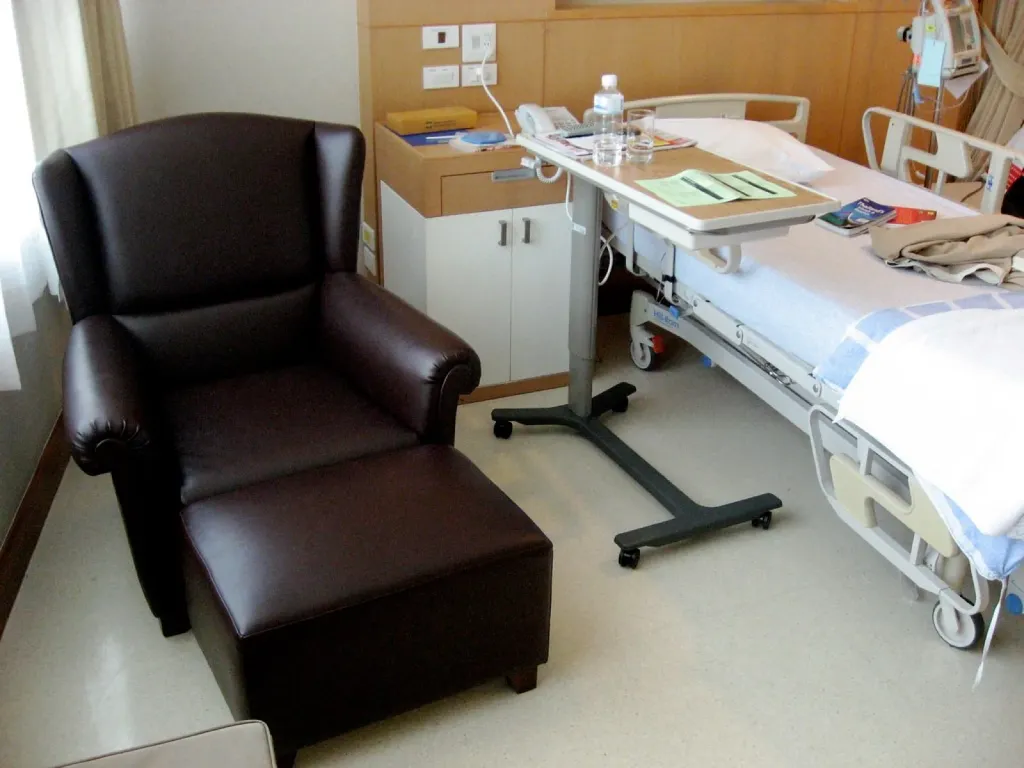 ข้อกำหนดประกันสุขภาพวีซ่า O-A คือวงเงินคุ้มครอง 3,000,000 บาท ในขณะที่ประเภท Non-O ไม่จำเป็นต้องมี (ภาพ: Kyle Taylor, CC BY 2.0)
ประกันสุขภาพเป็นสิ่งจำเป็นสำหรับวีซ่าเกษียณอายุบางประเภทและไม่จำเป็นสำหรับบางประเภท การทำความเข้าใจความแตกต่างนี้ให้ถูกต้องจะช่วยให้คุณประหยัดเงินได้ สำหรับวีซ่าพำนักระยะยาว O-A จำเป็นต้องมีประกัน สถานเอกอัครราชทูต ณ กรุงวอชิงตัน ดี.ซี. ระบุว่าผู้สมัครวีซ่า O-A จะต้องถือประกันสุขภาพที่มีวงเงินเอาประกันภัยรวมไม่น้อยกว่า 3,000,000 บาท (ประมาณ 100,000 ดอลลาร์สหรัฐ) ต่อปีกรมธรรม์ กระทรวงการต่างประเทศของไทย ระบุเงื่อนไขของ O-A ไว้เช่นเดียวกัน ข้อกำหนดนี้ไม่ใช่เรื่องใหม่สำหรับปี 2026 แต่มีการบังคับใช้มาหลายปีแล้ว
ในทางตรงกันข้าม การขยายเวลาวีซ่าเกษียณอายุประเภท Non-O ไม่มีข้อกำหนดเรื่องประกันวงเงิน 3,000,000 บาทนี้ ซึ่งเป็นเหตุผลสำคัญที่ทำให้ผู้เกษียณอายุหลายคนที่อาศัยอยู่ในประเทศไทยอยู่แล้วชื่นชอบประเภท Non-O มากกว่า O-A อย่างไรก็ตาม การไม่มีประกันคุ้มครองเลยถือเป็นการเสี่ยงโชคในประเทศที่การพักรักษาตัวในโรงพยาบาลอย่างจริงจังอาจมีค่าใช้จ่ายสูงถึงเจ็ดหลัก แม้ว่าประกันจะไม่ใช่เงื่อนไขของวีซ่า แต่ก็เป็นสิ่งที่สมควรมี และคู่มือของเราเกี่ยวกับ ประกันสุขภาพสำหรับชาวต่างชาติในประเทศไทย จะเปรียบเทียบแผนและค่าใช้จ่ายทั่วไป ซึ่งสำหรับผู้เกษียณอายุแล้วมักจะอยู่ระหว่าง 25,000 ถึง 130,000 บาทต่อปี ขึ้นอยู่กับอายุและความคุ้มครอง
หากคุณกำลังชั่งน้ำหนักเส้นทางต่างๆ โดยพิจารณาจากเรื่องประกันเพียงอย่างเดียว หลักเกณฑ์ง่ายๆ คือ: เลือกการขยายเวลา Non-O ภายในประเทศหากคุณต้องการหลีกเลี่ยงกรมธรรม์ภาคบังคับ และควรจัดสรรงบสำหรับประกันส่วนตัวไว้อยู่ดี เพราะสุขภาพของคุณ ไม่ใช่สำนักงานตรวจคนเข้าเมือง คือเหตุผลที่แท้จริงในการทำประกัน
การเปลี่ยนแปลงที่แท้จริงในปี 2026: ภาษีเงินได้ต่างประเทศและผู้เกษียณอายุ
 การเปลี่ยนแปลงที่แท้จริงในปี 2026 คือเรื่องภาษี: รายได้ต่างประเทศที่โอนเข้ามาโดยผู้ที่มีถิ่นที่อยู่ทางภาษีในประเทศไทยอาจต้องประเมินภาษี (ภาพ: Images of Money, CC BY 2.0)
นี่คือการเปลี่ยนแปลงที่มีความสำคัญอย่างแท้จริงสำหรับปี 2026 และไม่เกี่ยวข้องกับเกณฑ์วีซ่าแต่อย่างใด ตั้งแต่วันที่ 1 มกราคม 2024 เป็นต้นมา ประเทศไทยจะประเมินภาษีจากรายได้ที่มาจากต่างประเทศซึ่งผู้อยู่ใน 180 วันในประเทศไทยนำเข้ามาในประเทศ คุณจะกลายเป็นผู้มีถิ่นที่อยู่ทางภาษีในประเทศไทยหากคุณอยู่ในประเทศไทยเป็นเวลา 180 วันขึ้นไปในปีปฏิทิน ซึ่งตรงกับผู้เกษียณอายุส่วนใหญ่ที่ถือวีซ่า 1 ปี กรมสรรพากรไทย คือหน่วยงานที่มีอำนาจในเรื่องนี้ และกลไกดังกล่าวใช้เกณฑ์การนำเงินเข้า (Remittance basis) ซึ่งหมายถึงเงินที่คุณโอนเข้ามาในประเทศไทย ไม่ใช่รายได้ทั่วโลกของคุณในภาพรวม ที่อาจถูกประเมินภาษีได้
มีรายงานการผ่อนปรนในปี 2025 ที่ผ่านมา ที่ปรึกษาด้านภาษีอธิบายถึงการผ่อนปรนภายใต้กฎระเบียบที่ว่า รายได้จากต่างประเทศที่ถูกโอนเข้ามาในปีที่หารายได้นั้น หรือในปีถัดมา จะได้รับการปฏิบัติว่าเป็นรายได้ที่ต้องประเมินภาษี ในขณะที่รายได้ที่นำเข้ามาภายหลังจากนั้นอาจอยู่นอกข่ายที่ต้องเสียภาษี รายละเอียดค่อนข้างมีความทางเทคนิคและยังคงอยู่ในช่วงปรับเปลี่ยน ดังนั้นโปรดถือว่ารายละเอียดเฉพาะเหล่านี้เป็นเพียงแนวทาง ไม่ใช่ความจริงที่ตายตัว และควรยืนยันกับกรมสรรพากรหรือผู้เชี่ยวชาญด้านภาษีที่มีคุณสมบัติเหมาะสม คำอธิบายเชิงลึกที่ชัดเจนเกี่ยวกับวิธีการทำงานของเกณฑ์การนำเงินเข้า จัดทำโดย Expat Tax Thailand
มีสามประเด็นที่ช่วยให้ผู้เกษียณอายุส่วนใหญ่รู้สึกสบายใจ ประการแรก อนุสัญญาภาษีซ้อนมีความสำคัญ: ตัวอย่างเช่น ภายใต้สนธิสัญญาระหว่างสหรัฐอเมริกาและประเทศไทย เงินประกันสังคมของสหรัฐอเมริกาโดยทั่วไปจะไม่ถูกเก็บภาษีโดยประเทศไทย ดังนั้นผู้เกษียณอายุชาวอเมริกันหลายคนจึงต้องเสียภาษีน้อยมากหรือแทบไม่ต้องเสียเลย ประการที่สอง ค่าลดหย่อนส่วนบุคคลและขั้นบันไดภาษีของไทยหมายความว่าการโอนเงินจำนวนไม่มากอาจเสียภาษีน้อยมากแม้ว่าจะอยู่ในเกณฑ์ที่ต้องประเมินภาษีก็ตาม ประการที่สาม การเป็นผู้มีถิ่นที่อยู่ทางภาษีอาจกำหนดให้คุณต้องยื่นแบบแสดงรายการภาษี (ภ.ง.ด.90 หรือ ภ.ง.ด.91 โดยทั่วไปภายในวันที่ 31 มีนาคม) แม้ว่ายอดเงินที่ต้องชำระสุดท้ายจะเป็นศูนย์ก็ตาม เราคอยอัปเดตข้อมูลทั้งหมดให้เป็นปัจจุบันอยู่เสมอในคู่มือเกี่ยวกับ กฎระเบียบภาษีเงินได้ต่างประเทศของประเทศไทย การดำเนินการที่ปลอดภัยที่สุดสำหรับปี 2026 คือทำความเข้าใจการโอนเงินของคุณ และหากสถานการณ์ของคุณมีความซับซ้อน ขอคำแนะนำก่อนที่คุณจะโอนเงินจำนวนมาก
หน้าที่ต่อเนื่องที่ยังมีผลบังคับใช้
หน้าที่ประจำวันทั้งหมดที่ผูกติดอยู่กับวีซ่าเกษียณอายุไม่มีการผ่อนปรนสำหรับปี 2026 ดังนั้นควรวางแผนล่วงหน้า หน้าที่ด้านล่างนี้ไม่มีการเปลี่ยนแปลงและยังคงบังคับใช้เช่นเคย:
- การรายงานตัวทุก 90 วัน หากคุณอยู่ในประเทศไทยอย่างต่อเนื่อง คุณต้องรายงานที่อยู่ของคุณต่อสำนักงานตรวจคนเข้าเมืองทุกๆ 90 วัน คุณสามารถดำเนินการทางออนไลน์ ทางไปรษณีย์ ด้วยตนเอง หรือผ่านตัวแทนได้ คู่มือทีละขั้นตอนเกี่ยวกับ กระบวนการรายงานตัว 90 วัน ของเราครอบคลุมถึงระบบออนไลน์และค่าปรับหากคุณพลาดการรายงานตัว
- การแจ้งที่อยู่ TM30 เจ้าบ้านหรือผู้ให้เช่าของคุณมีหน้าที่ต้องแจ้งสำนักงานตรวจคนเข้าเมืองเกี่ยวกับสถานที่ที่คุณพักอาศัย และหากข้อมูล TM30 ไม่ตรงกันหรือขาดหายไป อาจทำให้ธุรกรรมอื่นๆ ที่สำนักงานตรวจคนเข้าเมืองต้องหยุดชะงักได้
- ใบอนุญาตกลับเข้ามาในราชอาณาจักร (Re-entry permit) การขยายเวลาแบบเข้าครั้งเดียวจะถูกยกเลิกทันทีที่คุณออกจากประเทศไทย เว้นแต่คุณจะซื้อใบอนุญาตกลับเข้าประเทศล่วงหน้า ดังนั้นห้ามบินออกนอกประเทศโดยไม่มีใบอนุญาตเด็ดขาดหากคุณต้องการรักษาวีซ่าปัจจุบันของคุณไว้
- การขยายเวลาประจำปี วีซ่าเกษียณอายุจะได้รับการต่ออายุทุกปี และการต่ออายุแต่ละครั้งจะต้องทำซ้ำขั้นตอนการตรวจสอบทางการเงินและการรายงานตัวตามที่กล่าวไว้ข้างต้น
สิ่งเหล่านี้คือเรื่องเล็กๆ น้อยๆ ที่อาจทำให้การใช้ชีวิตเกษียณอายุสะดุดลงได้ ดังนั้นควรบรรจุสิ่งเหล่านี้ลงในปฏิทินของคุณเช่นเดียวกับการจ่ายค่าเช่า สำนักงานตรวจคนเข้าเมือง ของประเทศไทยคือแหล่งข้อมูลที่เชื่อถือได้ที่สุดสำหรับข้อกำหนดในการรายงานตัวและขั้นตอนการขยายเวลา
ข่าวลือและข้อเสนอ: สิ่งที่กำลังพูดถึงแต่ยังไม่ใช่กฎหมาย
กระแส "กฎใหม่ 2026" บนโลกออนไลน์ส่วนใหญ่เป็นการคาดเดา และควรระบุให้ชัดเจนเพื่อที่คุณจะได้ไม่หลงเชื่อและทำตาม มีการพูดคุยกันซ้ำแล้วซ้ำเล่า รวมถึงจากผู้แสดงความคิดเห็นด้านการตรวจคนเข้าเมือง เกี่ยวกับการที่ประเทศไทย "กำลังปรับปรุงเกณฑ์สำหรับวีซ่าพำนักระยะยาวสำหรับผู้เกษียณอายุ" ซึ่งในทางทฤษฎีอาจหมายถึงเกณฑ์ทางการเงินที่สูงขึ้นหรือเงื่อนไขใหม่ในอนาคต ณ วันที่อัปเดตนี้ ยังไม่มีการตรากฎหมายดังกล่าว และตัวเลข 800,000 บาท และ 65,000 บาท ยังคงมีผลบังคับใช้ตามเดิม
ในทำนองเดียวกัน คุณจะเห็นโพสต์ที่ให้สัญญาเกี่ยวกับ "วีซ่าเกษียณอายุโดยไม่ต้องมีเงิน 800,000 บาท" ในทางปฏิบัติแล้ว โพสต์เหล่านี้มักจะอธิบายถึงเส้นทางรายได้ การผสมผสานระหว่างเงินออมและรายได้ หรือประเภทวีซ่าที่แตกต่างไปอย่างสิ้นเชิง มากกว่าจะเป็นการยกเว้นกฎระเบียบทางการเงินอย่างแท้จริง การเข้าประเทศด้วยวีซ่าท่องเที่ยวติดต่อกันและการวิ่งทำวีซ่า (Visa run) ก็ถูกนำมาเสนอเป็นทาง 0 ออกเช่นกัน แต่นั่นไม่ใช่ทางออกสำหรับการเกษียณอายุและมีความเสี่ยงในตัวของมันเอง หากคุณกำลังสำรวจแนวทางนั้น โปรดอ่านบทความตรงไปตรงมาของเราใน คู่มือวีซ่าท่องเที่ยวและการยกเว้นการตรวจตราหนังสือเดินทาง ก่อนที่จะคิดว่ามันสามารถใช้ได้ในระยะยาว โปรดถือว่าการกล่าวอ้างที่หวือหวาใดๆ เป็นเพียงข้อเสนอหรือความเข้าใจที่คลาดเคลื่อน จนกว่าคุณจะสามารถยืนยันได้จากแหล่งข้อมูลอย่างเป็นทางการของรัฐบาลไทย
เปรียบเทียบเส้น้าวทางวีซ่าเกษียณอายุ: Non-O, O-A, O-X และ LTR
การเลือกเส้นทางที่ถูกต้องมีความสำคัญมากกว่าการวิ่งตาม "กฎใหม่" เนื่องจากแต่ละเส้นทางมีความแตกต่างกันอย่างมากในเรื่องประกัน ขนาดเงินฝาก และระยะเวลาที่สามารถอยู่ได้ ประเภท Non-O เหมาะสำหรับผู้ที่อยู่ในประเทศไทยอยู่แล้ว ประเภท O-A เหมาะสำหรับผู้สมัครที่จัดการทุกอย่างจากประเทศบ้านเกิด ประเภท O-X และ LTR เหมาะสำหรับผู้ที่ต้องการระยะเวลาพำนักที่ยาวนานและสามารถปฏิบัติตามเกณฑ์ที่สูงขึ้นได้ นี่คือการเปรียบเทียบข้อดีข้อเสียในทางปฏิบัติ:
| ตัวเลือก | ดีที่สุดสำหรับ | เกณฑ์ทางการเงินหลัก | ประกันภัย | ระยะเวลา |
|---|---|---|---|---|
| Non-O เกษียณอายุ | ผู้เกษียณอายุที่อยู่ในประเทศไทยแล้ว | 800,000 บาท หรือ 65,000 บาท/เดือน | ไม่บังคับ | ขยายเวลาครั้งละ 1 ปี |
| O-A พำนักระยะยาว | สมัครจากประเทศบ้านเกิดของคุณ | 800,000 บาท หรือ 65,000 บาท/เดือน | บังคับ (3,000,000 บาท) | 1 ปี เข้าออกได้หลายครั้ง |
| O-X 10 ปี | สัญชาติที่มีสิทธิ์และต้องการความมั่นคง | สูงขึ้น (ระดับ 3,000,000 บาท) | บังคับ | 5 + 5 ปี |
| LTR | ผู้เกษียณอายุที่มีรายได้สูงหรือร่ำรวย | การทดสอบรายได้แบบพาสซีฟและสินทรัพย์ | บังคับ | สูงสุด 10 ปี |
วีซ่าพำนักระยะยาว (LTR) สมควรได้รับการกล่าวถึงเพราะแตกต่างจากประเภทรายปี ตรงที่ให้อยู่ได้นานถึงหนึ่งทศวรรษและการรายงานตัวที่ไม่ซับซ้อน และไม่มีการประกาศเปลี่ยนแปลงคุณสมบัติสำหรับปี 2026 หากรายได้ของคุณสูงกว่าเกณฑ์ขั้นต่ำของวีซ่าเกษียณอายุอย่างสบายๆ คู่มือวีซ่า LTR ของประเทศไทย ของเราจะอธิบายว่าคุ้มค่ากับการทำเอกสารเพิ่มเติมหรือไม่ ผู้เกษียณอายุที่มีคู่สมรสเป็นคนไทยบางครั้งพบว่า เส้นทางวีซ่าแต่งงาน มีราคาถูกกว่าในแง่ของเงินฝาก ในขณะที่ผู้ที่ใกล้เกษียณและทำงานระยะไกลบางครั้งชอบ วีซ่าพำนักระยะยาว (DTV) มากกว่า สำหรับผู้ที่ต้องการจ่ายเงินแลกกับความสะดวกสบาย วีซ่า Thailand Privilege (Elite) จะยกเลิกการตรวจสอบทางการเงินประจำปีเพื่อแลกกับค่าธรรมเนียมสมาชิก
สิ่งที่ผู้เกษียณอายุควรทำในตอนนี้
การดำเนินการที่ถูกต้องสำหรับปี 2026 คือแนวทางปฏิบัติที่เรียบง่ายและไม่หวือหวา ซึ่งเป็นสิ่งที่คุณต้องการสำหรับการวางแผนตรวจคนเข้าเมือง ทำตามรายการตรวจสอบสั้นๆ นี้:
- ยืนยันเส้นทางของคุณ ตัดสินใจเลือกระหว่างการขยายเวลา Non-O และ O-A โดยพิจารณาว่าคุณต้องการหลีกเลี่ยงประกันภาคบังคับหรือไม่ และตรวจสอบตัวเลขปัจจุบันเทียบกับหน้าเว็บไซต์ทางการที่เชื่อมโยงด้านล่างนี้
- แช่เงินของคุณล่วงหน้า หากใช้เส้นทางเงินฝาก นำเงิน 800,000 บาทเข้าบัญชีธนาคารไทยล่วงหน้าก่อนช่วงเวลาสองหรือสามเดือน และปล่อยไว้โดยไม่แตะต้อง
- วางแผนการโอนเงินของคุณ ก่อนที่จะโอนเงินจำนวนมากเข้ามาในประเทศไทย ทำความเข้าใจว่ากฎระเบียบภาษีเงินได้ต่างประเทศมีผลกับคุณอย่างไร และสนธิสัญญาช่วยคุ้มครองเงินบำนาญหรือประกันสังคมของคุณหรือไม่
- จัดทำงบประมาณตามความเป็นจริง คำนวณค่าประกัน การขยายเวลาประจำปี และค่าครองชีพรวมไว้ในแผนของคุณ บทความวิเคราะห์ของเราเกี่ยวกับ จำนวนเงินที่คุณต้องใช้จริงในการเกษียณอายุในประเทศไทย และ ค่าครองชีพในภูเก็ต จะให้ตัวเลขที่เป็นปัจจุบันในพื้นที่จริง
- บันทึกตารางเวลางานบริหาร ตั้งค่าแจ้งเตือนสำหรับการรายงานตัว 90 วัน ใบอนุญาตกลับเข้าประเทศ และวันที่ต่ออายุของคุณ เพื่อไม่ให้มีอะไรขาดตกบกพร่องโดยไม่ตั้งใจ
ทำตาม 5 สิ่งนี้แล้วความตื่นตระหนกเรื่อง "กฎใหม่" จะหายไปส่วนใหญ่ เพราะคุณจะปฏิบัติตามกฎในส่วนที่เป็นจริงและไม่ต้องกังวลกับส่วนที่ไม่จริง
เมื่อไหร่ควรขอความช่วยเหลือจากผู้เชี่ยวชาญ
การสมัครวีซ่าเกษียณอายุส่วนใหญ่สามารถจัดการได้ด้วยตนเอง แต่มีบางสถานการณ์ที่จำเป็นต้องอาศัยผู้เชี่ยวชาญอย่างแท้จริง หากรายได้ของคุณอยู่ใกล้เกณฑ์ หากคุณกำลังผสมผสานเงินออมและรายได้ในแบบที่เจ้าหน้าที่อาจซักถาม หากคุณมีสถานะทางภาษีที่ซับซ้อนในสองประเทศขึ้นไป หรือหากคุณเคยถูกปฏิเสธวีซ่าหรืออยู่เกินกำหนดมาก่อน การใช้บริการตัวแทนวีซ่าที่มีชื่อเสียงหรือที่ปรึกษาด้านภาษีที่มีใบอนุญาตถือเป็นการใช้เงินที่คุ้มค่า เช่นเดียวกับผู้ที่กำลังพิจารณาวีซ่า O-X หรือ LTR ซึ่งเอกสารจะมีความยุ่งยากมากกว่า อย่างไรก็ตาม สำหรับกรณีมาตรฐาน หน้าเว็บไซต์ทางการบวกกับ คู่มือวีซ่าเกษียณอายุประเทศไทยฉบับสมบูรณ์ ของเราจะช่วยให้คุณดำเนินการได้โดยไม่ต้องจ้างคนกลาง ไม่ว่าคุณจะทำอะไร โปรดตรวจสอบเกณฑ์ปัจจุบันกับสำนักงานตรวจคนเข้าเมืองแห่งประเทศไทยและสถานทูตของคุณก่อนที่คุณจะดำเนินการใดๆ เพราะนี่คือเงินของคุณและสิทธิ์ในการพำนักของคุณ ซึ่งทั้งสองอย่างนี้สมควรได้รับการยืนยันที่ถูกต้องและเป็นปัจจุบัน
คำถามที่พบบ่อย
กฎใหม่สำหรับวีซ่าเกษียณอายุไทยในปี 2026 มีอะไรบ้าง?
ไม่มีการเปลี่ยนแปลงครั้งใหญ่ต่อกฎเกณฑ์ทางการเงินหรืออายุของวีซ่าเกษียณอายุสำหรับปี 2026 การเปลี่ยนแปลงล่าสุดที่แท้จริงคือเรื่องภาษี: ตั้งแต่ปี 2024 เป็นต้นมา ประเทศไทยสามารถเก็บภาษีจากรายได้ต่างประเทศที่ผู้มีถิ่นที่อยู่ทางภาษีในประเทศไทยโอนเข้ามาในประเทศ พร้อมทั้งมีการรายงานการผ่อนปรนในปี 2025 การทดสอบเงิน 800,000 บาท และ 65,000 บาท ยังคงไม่เปลี่ยนแปลง
ต้องมีเงินในธนาคารเท่าไหร่สำหรับวีซ่าเกษียณอายุไทย?
คุณต้องมีเงิน 800,000 บาทในบัญชีธนาคารไทย โดยต้องแช่เงินไว้เป็นเวลาสองเดือนก่อนการสมัครครั้งแรก และสามเดือนก่อนการต่ออายุแต่ละครั้ง หรือมีรายได้ต่อเดือน 65,000 บาท หรือผสมผสานระหว่างรายได้และเงินออมรวมกันได้ 800,000 บาทตลอดทั้งปี หลังจากได้รับการอนุมัติแล้ว ยอดเงินคงเหลือจะต้องอยู่เหนือ 400,000 บาทตลอดเวลา
ต้องทำประกันสุขภาพสำหรับวีซ่าเกษียณอายุในประเทศไทยหรือไม่?
ขึ้นอยู่กับประเภทวีซ่า วีซ่าพำนักระยะยาว O-A กำหนดให้ต้องมีประกันสุขภาพที่มีวงเงินคุ้มครองอย่างน้อย 3,000,000 บาท ส่วนการขยายเวลาวีซ่าเกษียณอายุประเภท Non-O ภายในประเทศไม่ได้กำหนดให้ต้องมีกรมธรรม์ดังกล่าว แม้ว่าจะเป็นทางเลือก แต่การมีประกันส่วนไว้ถือเป็นเรื่องที่แนะนำอย่างยิ่งเมื่อพิจารณาจากค่าใช้จ่ายของโรงพยาบาลในไทย
ประกันสุขภาพสำหรับผู้เกษียณอายุในประเทศไทยมีราคาเท่าไหร่?
ประกันสุขภาพสำหรับผู้เกษียณอายุโดยทั่วไปมีค่าใช้จ่ายระหว่างประมาณ 25,000 ถึง 130,000 บาทต่อปี ขึ้นอยู่กับอายุ ประวัติทางการแพทย์ และระดับความคุ้มครองเป็นอย่างมาก กรมธรรม์ที่ตรงตามข้อกำหนดวีซ่า O-A วงเงิน 3,000,000 บาทจะอยู่กลุ่มราคาสูงกว่า ควรเปรียบเทียบผู้รับประกันภัยหลายรายก่อนตัดสินใจเลือกแผนประกัน
ฉันจะต้องเสียภาษีไทยสำหรับเงินบำนาญของฉันในปี 2026 หรือไม่?
อาจจะ หากคุณเป็นผู้มีถิ่นที่อยู่ทางภาษีในประเทศไทย (อยู่ในไทย 180 วันขึ้นไปต่อปี) และคุณโอนเงินบำนาญนั้นเข้ามาในประเทศไทย อย่างไรก็ตาม อนุสัญญาภาษีซ้อนมักจะคุ้มครองรายได้เฉพาะประเภท ตัวอย่างเช่น เงินประกันสังคมของสหรัฐอเมริกาโดยทั่วไปจะไม่ถูกเก็บภาษีโดยประเทศไทย อาจยังคงต้องมีการยื่นแบบแสดงรายการภาษีแม้ว่าจะไม่มีภาษีที่ต้องชำระก็ตาม ดังนั้นควรขอคำแนะนำสำหรับกรณีที่ซับซ้อน
ฉันสามารถขอวีซ่าเกษียณอายุไทยโดยไม่มีเงิน 800,000 บาทได้หรือไม่?
ไม่ได้โดยการละเลยกฎระเบียบทางการเงิน คุณสามารถมีคุณสมบัติผ่านเส้นทางรายได้ 65,000 บาทต่อเดือน หรือใช้การผสมผสานระหว่างเงินออมและรายได้แทนเงินก้อนได้ แต่ไม่มีการยกเว้นข้อกำหนดทางการเงินเบื้องหลังอย่างแท้จริง การอ้างว่ามีวีซ่าเกษียณอายุแบบ "ไม่ต้องใช้เงินฝาก" มักจะหมายถึงทางเลือกเหล่านี้อย่างใดอย่างหนึ่ง
ฉันสามารถอยู่ประเทศไทยด้วยวีซ่านี้นานแค่ไหน?
ประเภท Non-O และ O-A จะออกหรือขยายเวลาให้ครั้งละหนึ่งปี และสามารถต่ออายุได้เรื่อยๆ ตราบใดที่คุณยังคงปฏิบัติตามข้อกำหนด ประเภท O-X มีระยะเวลา 5 + 5 ปี และประเภท LTR สูงสุด 10 ปี ทุกประเภทกำหนดให้ต้องมีการรายงานที่อยู่ทุก 90 วันอย่างต่อเนื่องในระหว่างที่คุณพำนักอยู่
ฉันสามารถเกษียณอายุในประเทศไทยในฐานะพลเมืองสหรัฐอเมริกาได้หรือไม่?
ได้ พลเมืองสหรัฐอเมริกาที่มีอายุ 50 ปีขึ้นไปสามารถสมัครวีซ่าเกษียณอายุ Non-O หรือ O-A ภายใต้เงื่อนไขทางการเงินเดียวกันกับสัญชาติอื่นๆ ในส่วนของภาษี สนธิสัญญาระหว่างสหรัฐอเมริกาและประเทศไทยโดยทั่วไปจะคุ้มครองเงินประกันสังคมจากการเก็บภาษีของไทย แม้ว่าคุณควรยืนยันสถานะของตนเองกับที่ปรึกษาภาษีข้ามพรมแดนก็ตาม
กฎเงินฝาก 800,000 บาทจะถูกยกเลิกในปี 2026 หรือไม่?
ไม่ แม้จะมีการคาดเดาทางออนไลน์เกี่ยวกับการ "ปรับปรุงเกณฑ์" แต่ตัวเลือกเงินฝาก 800,000 บาท และรายได้ 65,000 บาท ยังคงมีผลบังคับใช้สำหรับปี 2026 โปรดถือว่าการกล่าวอ้างใดๆ ที่ว่ากฎดังกล่าวถูกยกเลิกแล้วว่าเป็นเพียงข่าวลือ จนกว่าจะได้รับการยืนยันบนเว็บไซต์ทางการของรัฐบาลไทย
คู่มือวีซ่าและเรื่องเงินที่เกี่ยวข้องกับประเทศไทย
เนื่องจากการวางแผนเกษียณอายุไม่ได้หยุดอยู่แค่เรื่องวีซ่า คู่มือประกอบเหล่านี้จึงครอบคลุมถึงประเด็นอื่นๆ ที่เกี่ยวข้อง:
| คู่มือ | เนื้อหาที่ครอบคลุม |
|---|---|
| คู่มือวีซ่าเกษียณอายุประเทศไทยฉบับสมบูรณ์ | ขั้นตอนการสมัคร เอกสาร และกระบวนการทั้งหมดตั้งแต่ต้นจนจบ |
| คู่มือวีซ่า LTR ของประเทศไทย | เส้นทางพำนักระยะยาว 10 ปีและผู้มีสิทธิ์ได้รับ |
| ภาษีเงินได้ต่างประเทศของประเทศไทย | วิธีการจัดเก็บภาษีรายได้ที่โอนเข้ามาและวิธีวางแผน |
| ประกันสุขภาพในประเทศไทย | แผนประกัน ค่าใช้จ่าย และวิธีปฏิบัติตามข้อกำหนดของ O-A |
| การพาเด็กไทยออกจากประเทศไทย | กฎระเบียบด้านเอกสารสำหรับผู้เกษียณอายุที่มีครอบครัวไทย |
แหล่งที่มา
- สำนักงานตรวจคนเข้าเมืองแห่งประเทศไทย
- กระทรวงการต่างประเทศ ราชอาณาจักรไทย, วีซ่าคนอยู่ชั่วคราว Non-O-A
- สถานเอกอัครราชทูต ณ กรุงวอชิงตัน ดี.ซี., การพำนักระยะยาว (O-A)
- สถานกงสุลใหญ่ ณ เมืองลอสแอนเจลิส, วีซ่าคนอยู่ชั่วคราวประเภท O เกษียณอายุ
- กรมสรรพากร ราชอาณาจักรไทย
- Expat Tax Thailand, รายได้จากต่างประเทศที่ต้องประเมินภาษี
- Pacific Prime, ประกันสุขภาพภาคบังคับสำหรับชาวต่างชาติในประเทศไทย
เกี่ยวกับคู่มือนี้
การอัปเดตนี้ได้รับการค้นคว้าและเรียบเรียงโดยทีมบรรณาธิการ Thailand Stuff ซึ่งอาศัยและทำงานครอบคลุมพื้นที่ภูเก็ต เราตรวจสอบข้อเท็จจริงเกี่ยวกับเนื้อหาวีซ่าของเรากับแหล่งข้อมูลอย่างเป็นทางการของรัฐบาลไทยและที่ปรึกษาผู้เชี่ยวชาญที่มีชื่อเสียง และเราตรวจสอบเป็นประจำเพื่อให้ตัวเลขเป็นปัจจุบัน บทความนี้ได้รับการตรวจสอบครั้งล่าสุดเมื่อวันที่ 6 สิงหาคม 2026 Thailand Stuff ไม่ใช่สำนักงานกฎหมาย ตัวแทนตรวจคนเข้าเมือง หรือที่ปรึกษาด้านภาษี และบทความนี้เป็นเพียงข้อมูลทั่วไป ไม่ใช่คำแนะนำระดับมืออาชีพ กฎระเบียบด้านการตรวจคนเข้าเมืองและภาษีมีการเปลี่ยนแปลงและขึ้นอยู่กับดุลยพินิจของเจ้าหน้าที่ ดังนั้นโปรดตรวจสอบข้อกำหนดปัจจุบันกับสำนักงานตรวจคนเข้าเมืองแห่งประเทศไทย กรมสรรพากร และสถานทูตของคุณเสมอ และปรึกษาผู้เชี่ยวชาญที่มีคุณสมบัติเหมาะสมสำหรับกรณีที่ซับซ้อน ก่อนที่คุณจะดำเนินการใดๆ
อ่านต่อ
 News
NewsA Thai senator has proposed letting foreigners own 100% of a business in Thailand to end the nominee system. Here is what was said and what it could mean.
 Practical
คำตอบตามความจริงในปี 2026: ธนาคารไทยส่วนใหญ่ปฏิเสธผู้ถือวีซ่า DTV ในการเปิดบัญชีใหม่ เหตุผลที่เกิดขึ้น, สิ่งที่ใช้ไม่ได้ผล, และทางเลือกที่แท้จริงที่มี
 Practical
นักท่องเที่ยวชำระเงินในประเทศไทยอย่างไร เปรียบเทียบ Wise และบัตรจากประเทศบ้านเกิด, บัตรพรีพายด์ Visa ของ KBank, เงินสด และค่าธรรมเนียมตู้ ATM แบบตรงไปตรงมาโดยไม่ต้องมีบัญชีธนาคารไทย