
How Much Money Do You Need to Retire in Thailand?
How much does it cost to retire in Thailand in 2026? The 800,000-baht visa minimum, realistic monthly budgets for Phuket, healthcare and the LTR visa.
Thailand Stuff
Living in Thailand Desk · 16 Jul 2026 · 9 min read

It is the age-old question, argued over in bars across the country: how much money do you actually need to retire in Thailand? If your retirement dreams involve a warm climate, world-class food, affordable healthcare and a lower cost of living, Thailand remains one of the most popular places on earth to do it, and Phuket one of the most popular spots within it. The honest answer is "it depends", but the numbers below give you a realistic 2026 picture, from the bare visa minimum to a genuinely comfortable island lifestyle.
Please note: this is general information, not financial or immigration advice. Costs, exchange rates and visa and tax rules all change (Thailand has been tightening several of them). Treat the figures here as a 2026 guide, and confirm the current requirements with Thai immigration and a qualified adviser before you commit. Approximate US-dollar figures assume roughly 33 baht to the dollar, which moves.
The visa minimum: your real starting point
Before lifestyle, there is a legal floor. To qualify for a retirement visa you must be 50 or older and meet one of these financial tests:
- 800,000 baht (about $24,000) deposited in a Thai bank account, or
- a monthly income or pension of 65,000 baht (about $2,000), or
- a combination of savings and annual income totalling 800,000 baht a year.
The lump sum must sit in a Thai account for two months before you apply (and be topped back up around each renewal), so it is money you need parked, not spent. Most retirees either apply for a Non-Immigrant O-A visa from their home country or enter on a Non-O and convert to a one-year extension at a local immigration office. For the full mechanics, see our Thailand retirement visa guide. Crucially, the 800,000 baht is an immigration requirement, not a budget: it is what you must show, not what it costs to live.
What it actually costs each month
Here is where the real planning happens. Costs vary hugely by location and lifestyle, but these are realistic 2026 monthly budgets for a single retiree or a frugal couple.
| Monthly budget | Roughly (USD) | The lifestyle it buys |
|---|---|---|
| 30,000 to 45,000 baht | $900 to $1,350 | Lean. A small apartment upcountry, mostly local food, little travel, self-insured. Doable, but tight. |
| 50,000 to 75,000 baht | $1,500 to $2,250 | Comfortable in Chiang Mai, Hua Hin or the provinces: a nice condo, eating out often, air-con, insurance and some travel. |
| 70,000 to 100,000 baht | $2,100 to $3,000 | The same comfort in Phuket or Bangkok: a modern condo in a good area, daily restaurant meals, a car or regular taxis, and proper health cover. |
| 100,000 baht and up | $3,000+ | A genuinely lavish life: a beachfront or central condo, a housekeeper, frequent travel, and money still left over. |
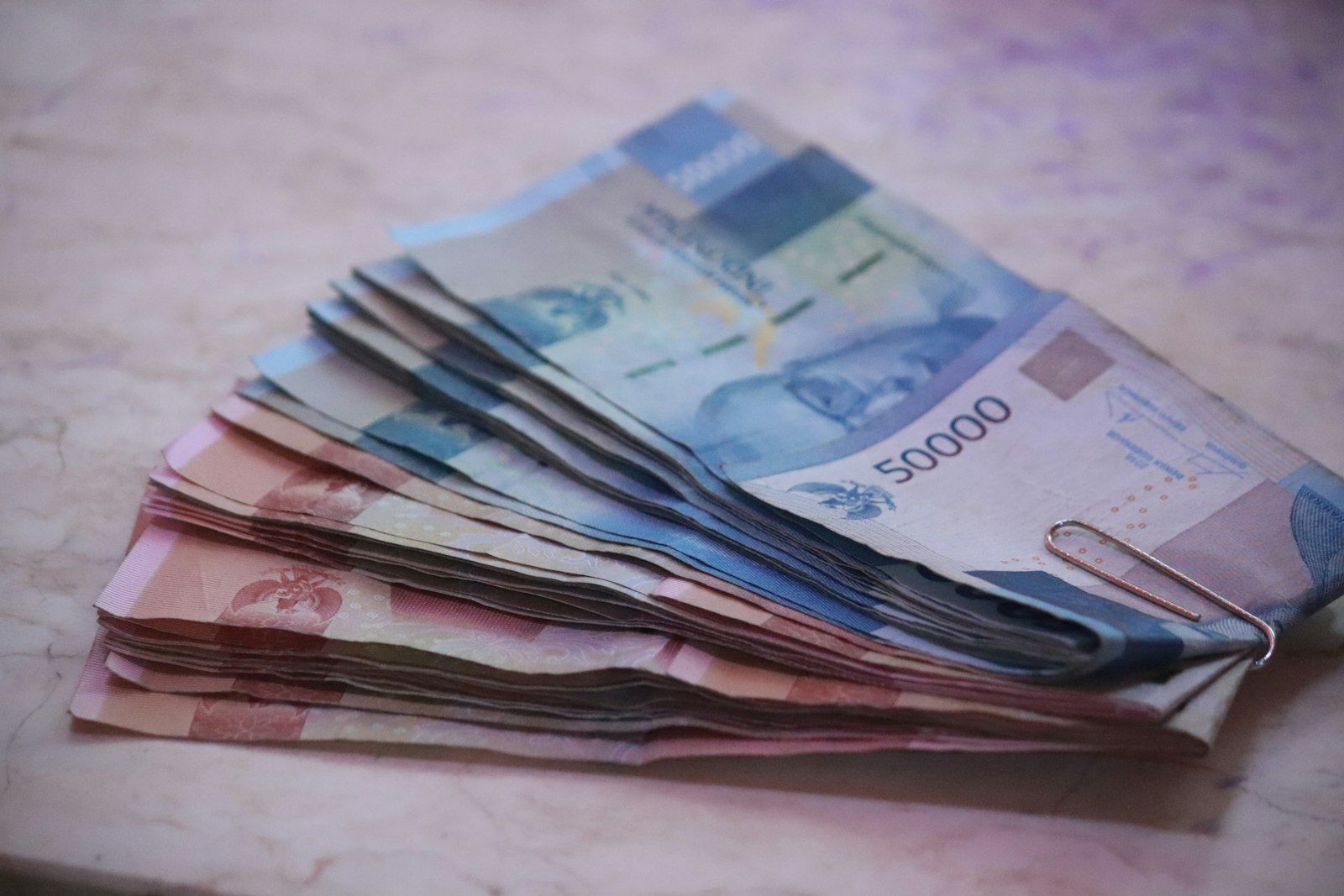
The old rule of thumb, that a couple can retire comfortably on around $2,000 a month, still broadly holds outside the pricey tourist hubs. It stretches much further in the north than it does on a Phuket beach.
Where you live changes everything
Location is the single biggest lever on your budget. Chiang Mai and the provinces are roughly 20 to 30% cheaper than the tourist coasts, with condos from 10,000 to 15,000 baht a month. Phuket sits at the higher end, broadly comparable to Bangkok, with beachfront and tourist-heavy areas commanding a clear premium, though you are paying for the island, the beaches and a large, well-served expat community. Move even 20 minutes inland from the busy beaches and rents fall sharply.
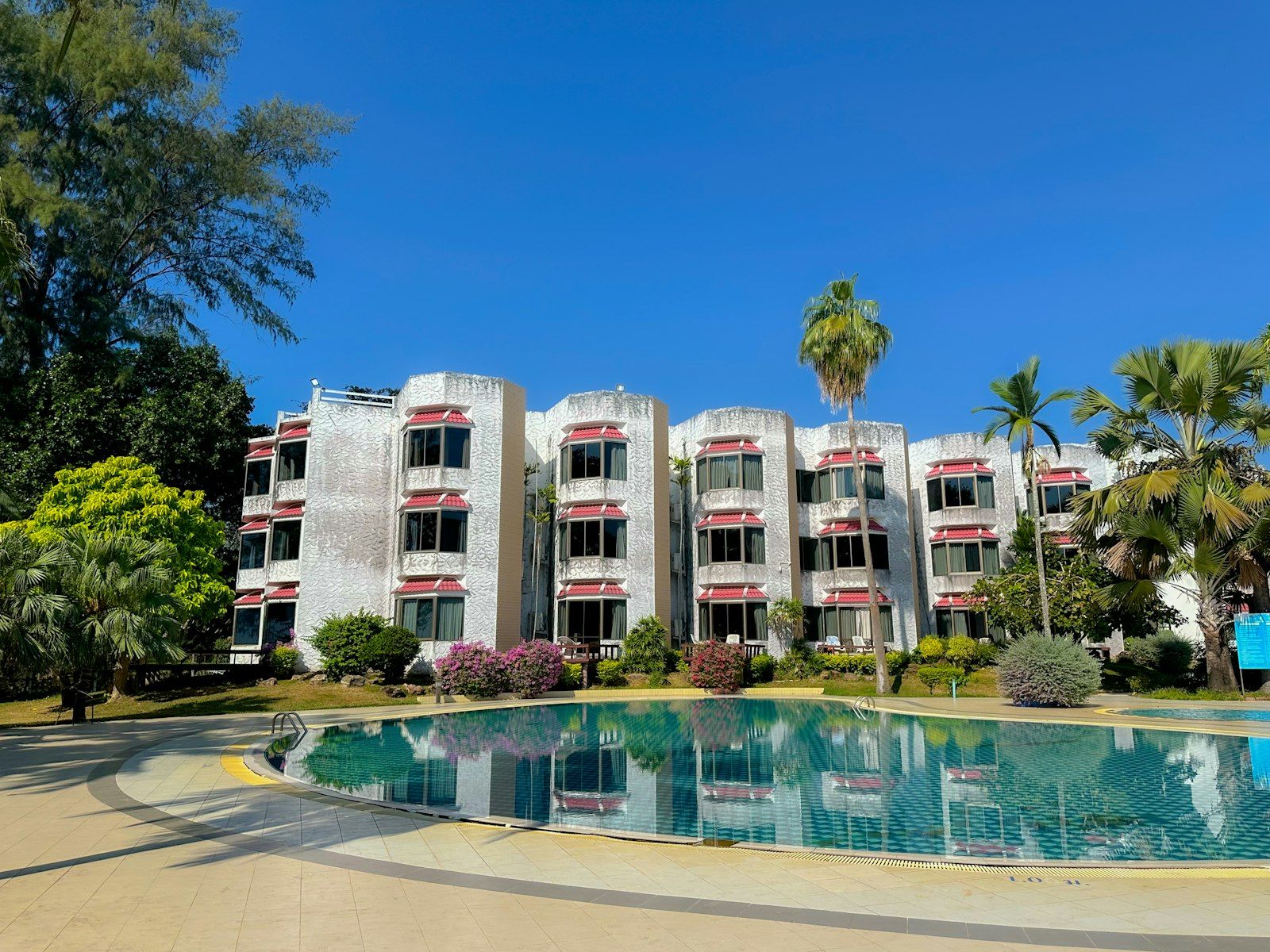
Wherever you land, rent before you buy. It lets you test an area, avoids the legal complications of foreign property ownership, and keeps your capital liquid.
Do not forget healthcare
This is the cost most people underestimate. There is no public health insurance for expat retirees in Thailand, and private premiums rise steeply after 60, especially with pre-existing conditions. Two things to plan for:
- Visa-mandated insurance. The O-A visa currently requires health insurance with cover of at least $100,000 (or 3 million baht) per year, and the 10-year O-X requires a Thai-issued policy. Budget for the premium.
- Your own risk. Thailand's private hospitals are excellent and far cheaper than in the West, which is why some retirees choose to self-insure from savings, or hold cheaper accident-only cover, rather than pay large comprehensive premiums. Weigh your family history and appetite for risk carefully, ideally with an adviser.

The wealthy route: the LTR visa
If your means are more generous, the Long-Term Resident (LTR) "Wealthy Pensioner" visa is worth a look. It needs passive income (pension, dividends, rent) of about $80,000 a year, or $40,000 plus a $250,000 Thai investment, plus health cover. In return you get a 10-year stay (five years, renewable for five more), simpler reporting, and, notably, an exemption from Thai tax on foreign income you bring into the country, which matters given recent changes to how Thailand taxes remitted income. Our LTR visa guide has the detail.
How to make your baht go further
The gap between a tight budget and a comfortable one is often just habits:
- Live like a local. Small local apartments and houses are cheap and plentiful once you step away from the beachfront.
- Eat Thai. The fastest way to burn through money is imported food and alcohol, both of which are expensive here. Local markets and simple family restaurants are a fraction of the price, and often better. Our healthy Thai food guide is a good place to start.
- Go inland or upcountry. Chiang Mai and the provinces deliver the same comfort for far less than Phuket or Bangkok.
- Plan healthcare deliberately rather than leaving it to chance, since it is the one cost that can blow a budget apart.
Do those things and even a modest pension goes a remarkably long way.
Frequently asked questions
How much money do you need to retire in Thailand?
For the visa you must show 800,000 baht in a Thai bank or 65,000 baht a month in income. To actually live, budget from around 30,000 to 45,000 baht a month at the lean end, 50,000 to 75,000 for a comfortable life upcountry, and 70,000 to 100,000 for the same comfort in Phuket or Bangkok.
Can you retire in Thailand on $2,000 a month?
Yes, comfortably in most of the country, and reasonably even in Phuket if you rent sensibly and eat local. It goes furthest in Chiang Mai and the provinces. On the islands and in central Bangkok it is a more modest budget.
How much is the Thailand retirement visa?
The financial requirement is 800,000 baht in the bank or 65,000 baht monthly income (or a combination totalling 800,000 baht a year), and you must be at least 50. The 800,000 baht must be seasoned in a Thai account for two months before applying.
Do I need health insurance to retire in Thailand?
For the O-A visa, yes: cover of at least $100,000 or 3 million baht is currently required, and the O-X needs a Thai policy. Even where it is not mandatory, private cover or a healthcare fund is strongly advised, as premiums rise sharply after 60.
Is Phuket expensive to retire in?
Phuket is one of the pricier parts of Thailand, similar to Bangkok, especially near the beaches. You get the island lifestyle and a big expat community for the premium, and costs drop noticeably if you live a little inland.
What is the cheapest way to retire in Thailand?
Live upcountry or in a smaller provincial city, rent a modest local place, eat Thai food from markets and family restaurants, cut back on alcohol and imported goods, and plan your healthcare carefully.
Thailand still offers one of the best value-for-money retirements anywhere, especially if you match your location and lifestyle to your budget. Have a question, or a view on what it really costs? Tell us in the comments below.
Keep reading
 News
NewsA Thai senator has proposed letting foreigners own 100% of a business in Thailand to end the nominee system. Here is what was said and what it could mean.
 Practical
The honest 2026 answer: most Thai banks reject DTV visa holders for new accounts. Why it happens, what does not work, and the real alternatives that do.
 Practical
How do tourists pay in Thailand? Compare Wise and home cards, the KBank prepaid Visa card, cash and ATM fees, honestly, with no Thai bank account needed.