
Unusual Thai Foods to Try in Phuket (If You're Feeling Brave)
From fried insects and red ant eggs to dancing shrimp and balut, here are 10 unusual Thai foods to try in Phuket, what they are, and where to find them.
Thailand Stuff
Food & Drink Desk · 10 Jul 2026 · 8 min read

Thailand is a paradise for adventurous eaters. Beyond the pad thai and green curry that most visitors stick to lies a whole other world of street food, much of it rooted in the resourceful, nose-to-tail cooking of the rural Isaan northeast, where nothing goes to waste and insects and river creatures have been a cheap, protein-rich part of the diet for generations. Some of it will test your nerve. This is our pick of the most unusual Thai foods to try in Phuket, what each one actually is, and where to find it, along with an honest word on which ones to approach with caution.
A note on safety: most of these are perfectly fine to eat, but a few are served raw. Thailand's Department of Disease Control warns that raw and undercooked freshwater fish and shrimp dishes can carry liver fluke, a parasite linked to bile duct cancer, and that lime juice, salt or fermenting does not kill it. Only thorough cooking does. Eat at busy, clean stalls with high turnover, and if in doubt about a raw dish, give it a miss. This is general information, not medical advice.
The 10 dishes, from "I could try that" to "you first"
1. Teen Gai (braised chicken feet)

A gentle place to start. Chicken (or duck) feet are braised and stewed until soft and gelatinous, usually in a soup or served dim-sum style. They are rich in collagen, genuinely tasty, and eaten all over Asia, so they are less a dare than an acquired texture.
2. Khai Mot Daeng (red ant eggs)

Usually tossed through a salad or a spicy soup, red ant eggs are a prized Isaan delicacy with a pleasant citrusy pop, and they honestly taste good. The tiny eggs come with a few live ants for extra sourness. High in protein and, surprisingly, one of the easier items on this list.
3. Malaeng Tod (fried insects)

The classic gateway bug. Crickets, silkworms, grasshoppers, bamboo worms and beetles are deep-fried, seasoned with pepper and a splash of soy or fish sauce, and sold by the scoop as a crunchy alternative to crisps. They are nutritious, sustainable and, once you get past the legs, not far off a savoury cracker. This is the one to start with.
4. Goong Ten (dancing shrimp)
Goong ten, or "dancing shrimp", is live freshwater shrimp doused in lime juice, chili and herbs so that they twitch and jump in the bowl, which is where the name comes from. It is a real test of nerve. It is also one to think twice about: because the shrimp are raw and freshwater, this is exactly the kind of dish the health warning above applies to, so approach with caution or skip it.
We filmed ourselves taking on dancing shrimp and a few other Phuket oddities. See how it went:
5. Larb Leuat Neua (raw beef with blood)

An Isaan classic that is essentially a Thai answer to steak tartare: finely chopped raw beef bound with fresh, uncooked blood and seasoned hard with herbs, chili and lime. The blood adds richness and a deep, iron flavour. As with any raw meat, there is a food-safety risk, so only eat it somewhere you trust.
6. Bpak Ped (grilled or fried duck beak)

Proof that Thai cooking wastes nothing. Duck beaks are marinated in spices and either grilled or deep-fried until crisp, then gnawed like a snack. There is very little actual meat, so this one is more about the experience and the seasoning than the eating.
7. Nu Na (grilled field rat)

Before you recoil, these are not city rats. Nu na are clean rice-paddy rats that feed on grain, and they are a genuine rural delicacy across Isaan and central Thailand, grilled whole over charcoal. As the saying goes, it tastes a lot like chicken.
8. Mok Huak (developing tadpoles)
A seasonal Isaan speciality of tadpoles, caught as they begin to develop legs, steamed in banana leaf with herbs and chili paste. It is a resourceful, traditional dish that leans firmly into the deep end of the pool.
9. Maeng Pong (scorpions on a skewer)

More of a Bangkok tourist rite of passage than a Phuket staple, the skewered scorpions you see under bright lights are farmed, deep-fried and have the stinger removed before serving. Despite the legends, they are cooked, not eaten alive. The taste is smoky and crunchy, closer to a burnt prawn shell than anything sinister.
10. Khai Khao (balut)
The final boss for many. A fertilised duck egg incubated until the embryo has partly formed, then boiled and eaten straight from the shell with a little salt and chili. Hugely popular across Southeast Asia, it turns up on street stalls in Thailand too. Not one for the faint-hearted, or the squeamish.
Easing in: adventurous foods for beginners
Not ready for tadpoles? Thailand has plenty of milder ways to push your comfort zone.
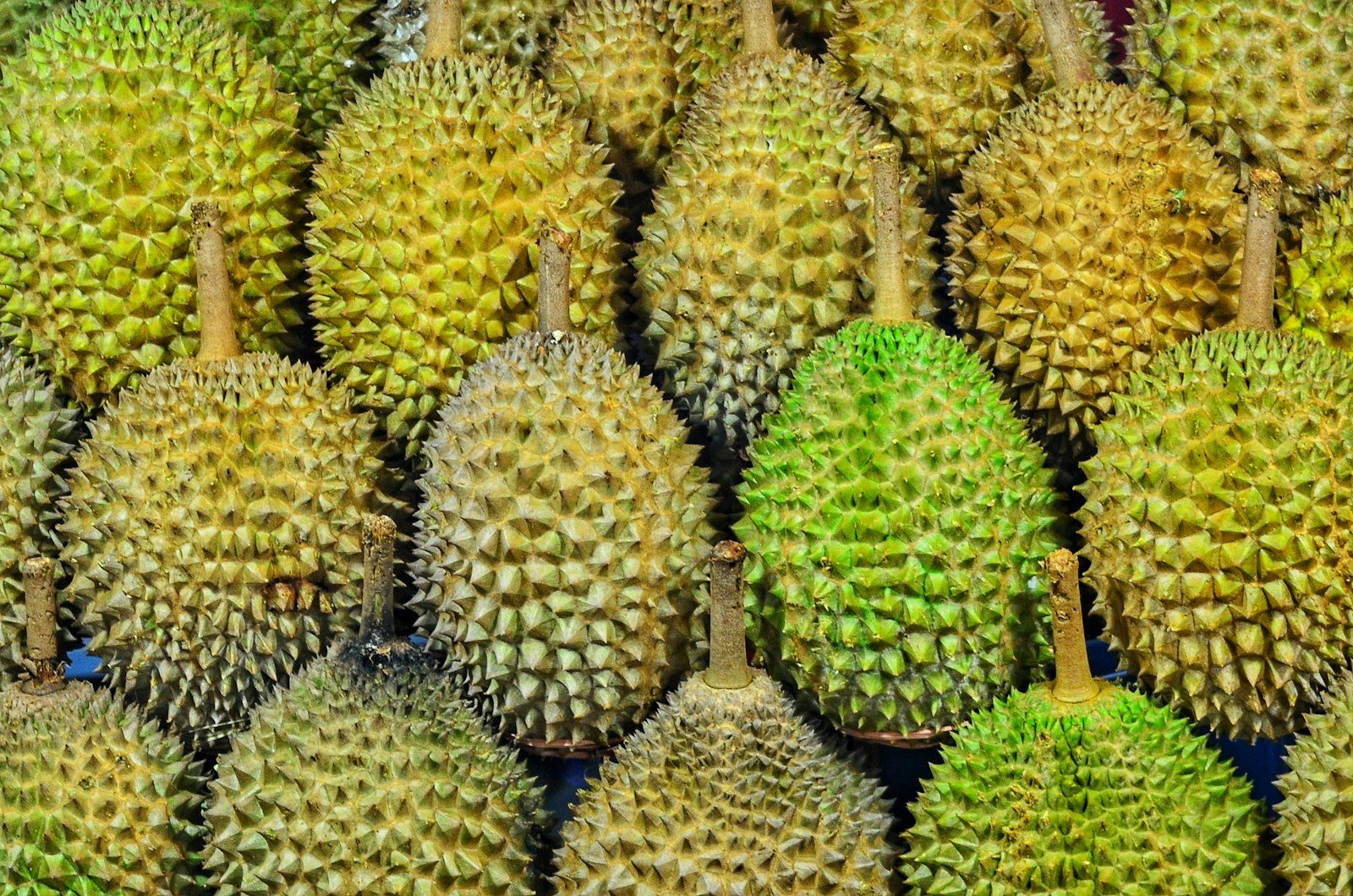
- Durian, the "king of fruits", is so pungent it is banned in many hotels, yet its custardy flesh is beloved across Asia. Smell aside, it is just fruit, and a fine first challenge.
- Sator (stink beans) are pungent, bitter-edged beans stir-fried with shrimp and chili. An acquired taste, but a delicious one.
- Fried crickets are the easiest insect to start with, essentially a crunchy, salty bar snack.
- Century egg (khai yiao ma) is a preserved duck egg with a dark, jelly-like white and a creamy green yolk. Milder than it looks.
If none of that appeals, there is no shame in a plate of proper healthy Thai food instead.
Where to try adventurous food in Phuket
Phuket's night markets are the best hunting ground, since you can see everything before you commit.
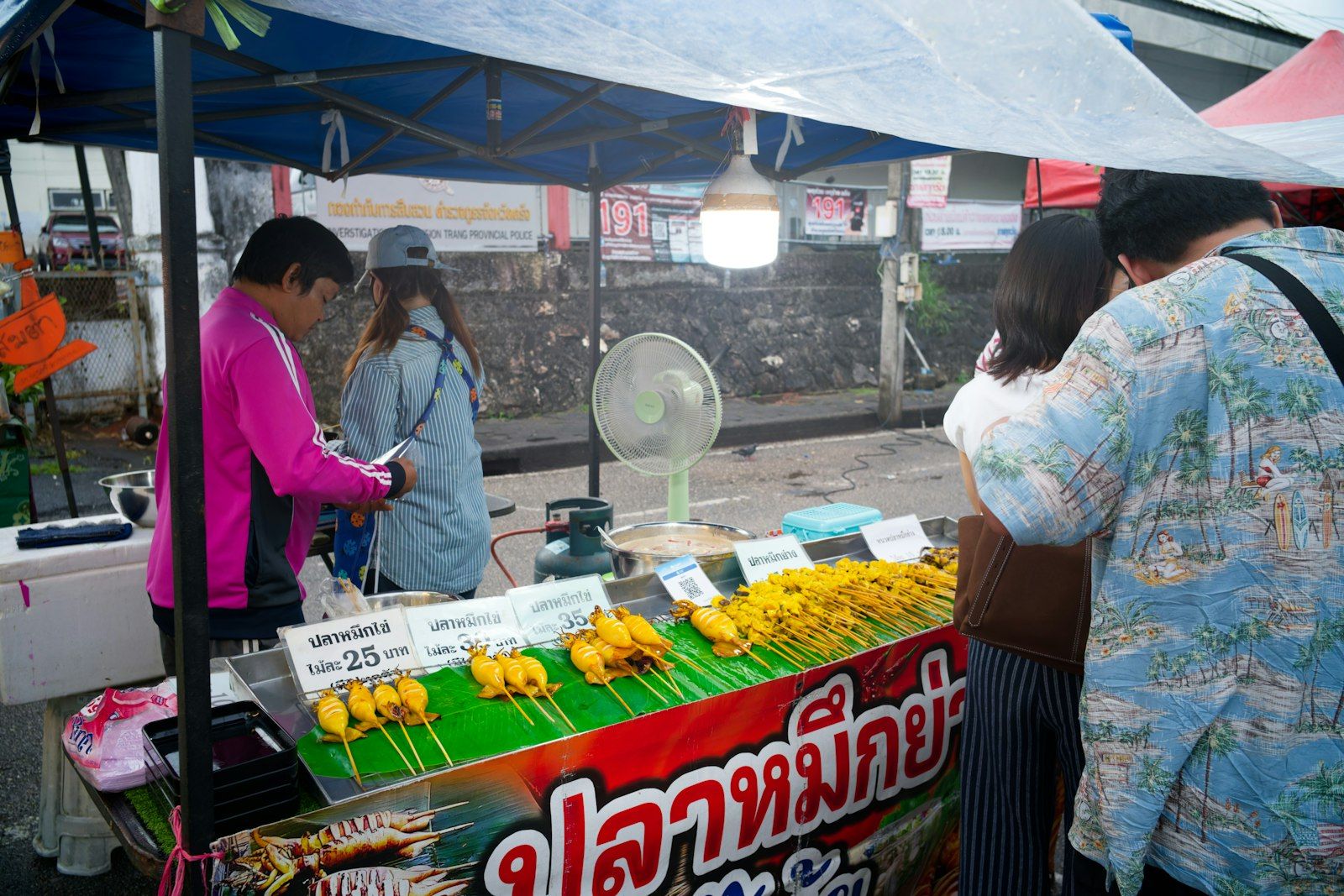
- Naka Weekend Market (Saturday and Sunday) has fried-insect vendors alongside its huge food section.
- Chillva Market (Thursday to Saturday) in Phuket Town is one of the most reliable spots for fried insects and other exotic snacks.
- Banzaan Fresh Market in Patong, behind Jungceylon, is where the stalls come alive after dark.
- The Sunday Walking Street (Lard Yai) in the Old Town is great for grazing on unusual bites.
- Bangla Road vendors in Patong often keep fried insects on hand for brave tourists.
For a gentler introduction to the island's food, our Phuket restaurants guide and Southern Thai kitchens like One Chun are a good place to start.
Frequently asked questions
What is the weirdest food in Thailand?
It is a close call between goong ten (live "dancing" shrimp), mok huak (developing tadpoles) and balut (a fertilised duck egg). Fried insects are the most famous, and the easiest to actually try.
Is it safe to eat insects in Thailand?
Yes. Fried insects are cooked, nutritious and widely eaten. Stick to busy stalls with fresh, hot oil, and they are as safe as any other cooked street food.
Which unusual Thai dishes should I be careful with?
The raw ones. Dishes made with raw or undercooked freshwater fish or shrimp, such as dancing shrimp, can carry liver fluke, a parasite linked to bile duct cancer. Raw beef with blood carries the usual raw-meat risks. Cook-first dishes are the safe bet.
Where can I try exotic food in Phuket?
The night markets. Chillva Market and Naka Weekend Market are the most reliable for fried insects, with more stalls at Banzaan in Patong and the Sunday Walking Street in Phuket Old Town.
Do Thai people actually eat these foods?
Many, yes, especially insects, ant eggs, chicken feet and field rat, which are traditional and popular in the Isaan northeast. Others, like scorpions on skewers, are aimed mostly at tourists.
So there you have it, a taster of Thailand's wilder side. Next time you tire of pad thai, why not push your comfort zone a little. Know a bizarre dish we missed? Tell us in the comments below.
Keep reading
 News
NewsA Thai senator has proposed letting foreigners own 100% of a business in Thailand to end the nominee system. Here is what was said and what it could mean.
 Practical
The honest 2026 answer: most Thai banks reject DTV visa holders for new accounts. Why it happens, what does not work, and the real alternatives that do.
 Practical
How do tourists pay in Thailand? Compare Wise and home cards, the KBank prepaid Visa card, cash and ATM fees, honestly, with no Thai bank account needed.