
Your Rights if the Police Search You in Thailand
What to do if the police ask to search you in Thailand: your rights at a checkpoint, how to stay calm, the contraband to avoid, and who to call for help.
Thailand Stuff
Travel Safety Desk · 8 Jul 2026 · 8 min read

Phuket is a genuinely safe, welcoming place to travel, and the vast majority of police officers here do their job professionally and courteously. That said, like anywhere in the world, corruption exists, and most visitors have heard a story about a foreigner being stopped and searched and ending up out of pocket. The best protection is simply to know your rights and to stay calm and polite if you are ever asked to hand over your belongings or pull over your scooter. This guide explains what the police in Thailand can and cannot do during a search, and the practical steps that keep an ordinary stop from turning into a problem.
Please note: this is general information for travellers, not legal advice. Laws and how they are enforced change over time. If you are ever detained or in serious trouble, contact the Tourist Police on 1155, ask for a licensed Thai lawyer, and call your embassy.
Can the police search you in Thailand?
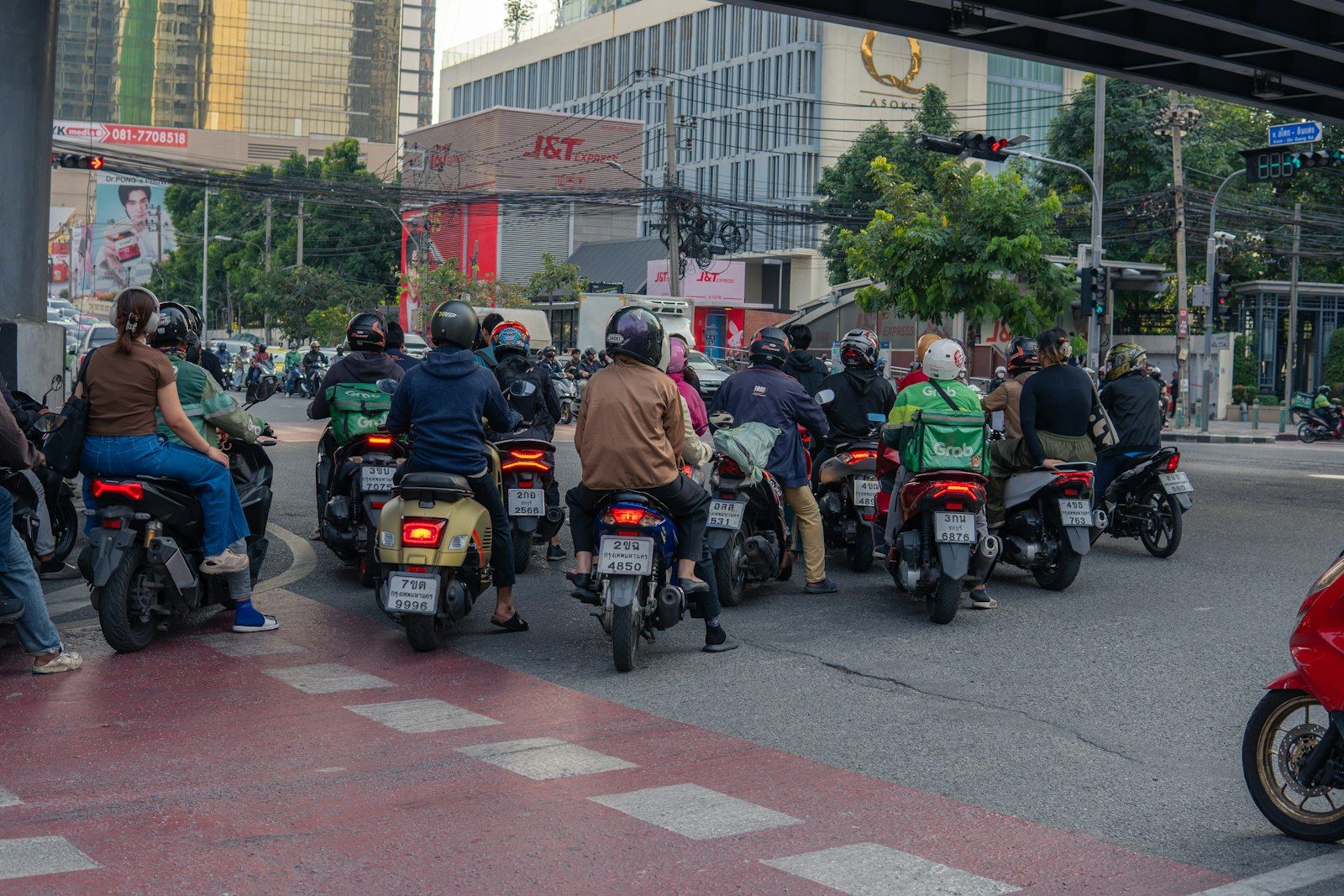
Yes, within limits. Thai police have the power to search a person, their vehicle or their property in order to prevent or investigate a crime, and roadside checkpoints are common across Phuket, particularly near nightlife areas and on routes where scooters are rented. If an officer lawfully asks to search you, refusing can lead to arrest, so cooperation is the sensible starting point.
There are important limits worth knowing. Under the Thai Criminal Procedure Code, a private place such as a home or hotel room generally cannot be searched without a warrant (Section 92), other than in specific urgent circumstances. And a body search of a woman must be carried out by a female officer (Section 85). A search of your person or vehicle in a public place, by contrast, can usually be carried out on reasonable suspicion without a warrant.
If you are stopped on a scooter, officers will typically want to see your passport or a copy, your driving licence (an International Driving Permit for most visitors), and your rental papers. Keeping those in order, and renting from a reputable shop like Motorbike Rental Station Phuket, takes the sting out of a routine traffic stop.
What to do if an officer asks to search you
Staying composed is the single most useful thing you can do. Thai culture places enormous value on jai yen, a "cool heart", and losing your temper or loudly demanding your rights almost always makes things worse. Work through the following calmly and respectfully.
Ask to see identification. Politely ask the officer to show their police ID before anything begins. If they refuse, or you genuinely doubt they are a real officer, call for help or dial 191 (or the Tourist Police on 1155).
Record the process, openly. There is no law against filming in a public place, and quietly recording a search on your phone can keep everything transparent. Do it openly, keep the phone in one place, and never physically interfere with the officer. One honest caveat: if the search lawfully turns up something illegal that really is yours, your own footage can be used as evidence.
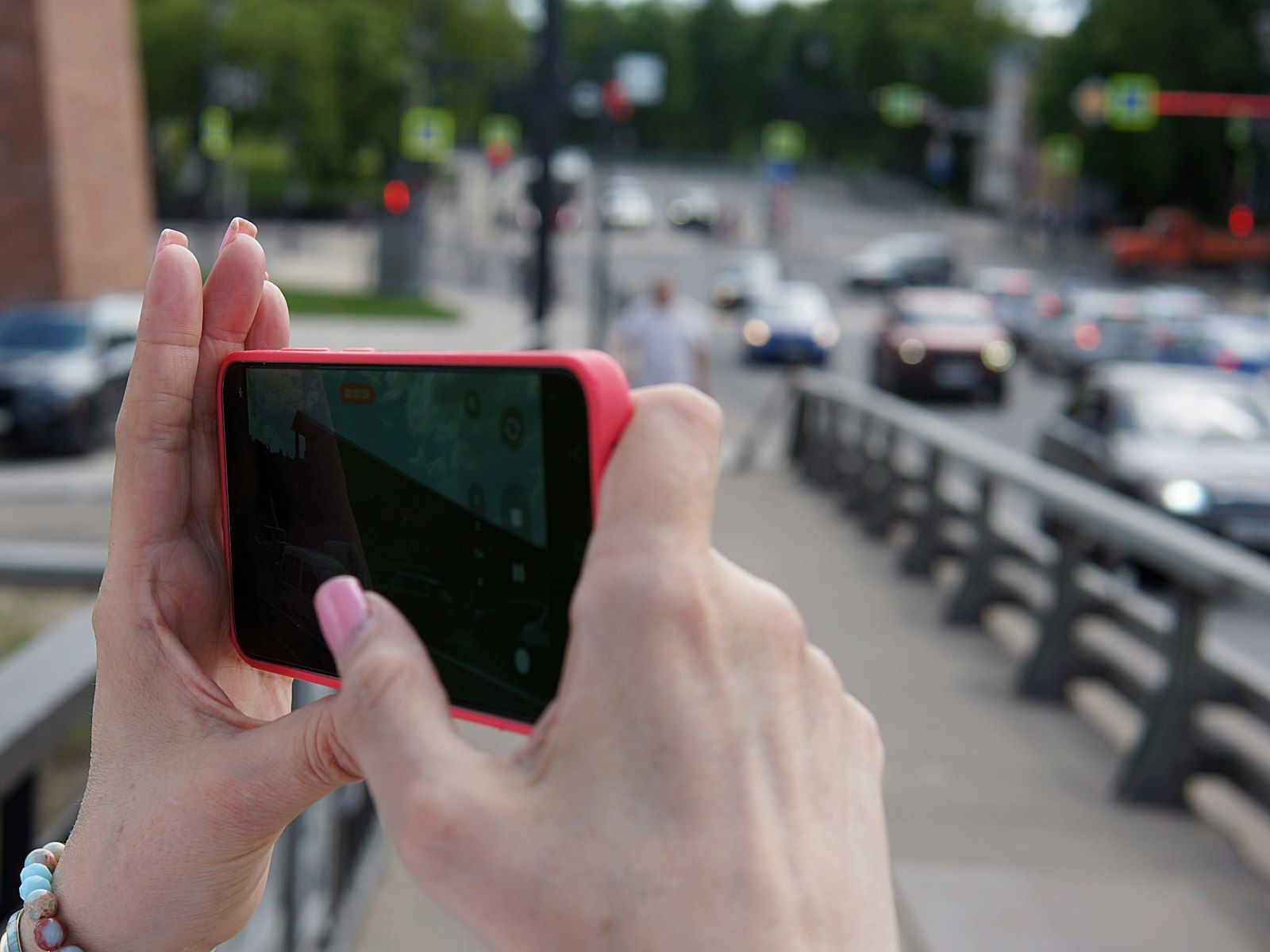
Ask for the search to be done in the open, with witnesses. You can politely ask that the officer show their hands are empty before starting, and request that the search happen where other people or a friend can see it. Officers are not obliged to agree, but asking, and recording, greatly reduces the risk of anything being planted.
Never touch or claim an item that is not yours. If something is "found" that you do not recognise, do not pick it up and do not admit it is yours. Ask to photograph it, and ask to speak to a lawyer or to phone a friend or family member to arrange one.
Read anything before you sign it. Never sign a document you have not read and understood. If it is in Thai, ask for it to be translated by someone you trust rather than taking the officer's word for it. Do not sign anything blank or half-completed, and if the wording is wrong, do not sign. If it is correct, initialling each page helps stop pages being swapped later.
What actually counts as contraband
Most trouble comes not from planted evidence but from tourists carrying things that are illegal in Thailand without realising it. Two catch people out constantly:
- Vapes and e-cigarettes are completely illegal in Thailand. There is no nicotine-free exception and no tourist allowance. Possession can bring heavy on-the-spot fines (commonly reported around 30,000 baht), and bringing devices through customs is treated far more seriously. Enforcement stepped up sharply in 2026, with dedicated police operations and hundreds of arrests, so simply leave the vape at home.
- Cannabis rules have tightened. After being decriminalised in 2022, the law shifted back towards medical use in late 2025. Smoking in public can bring a fine of around 25,000 baht, and extracts above 0.2% THC are classified as illegal narcotics. Treat it with caution.
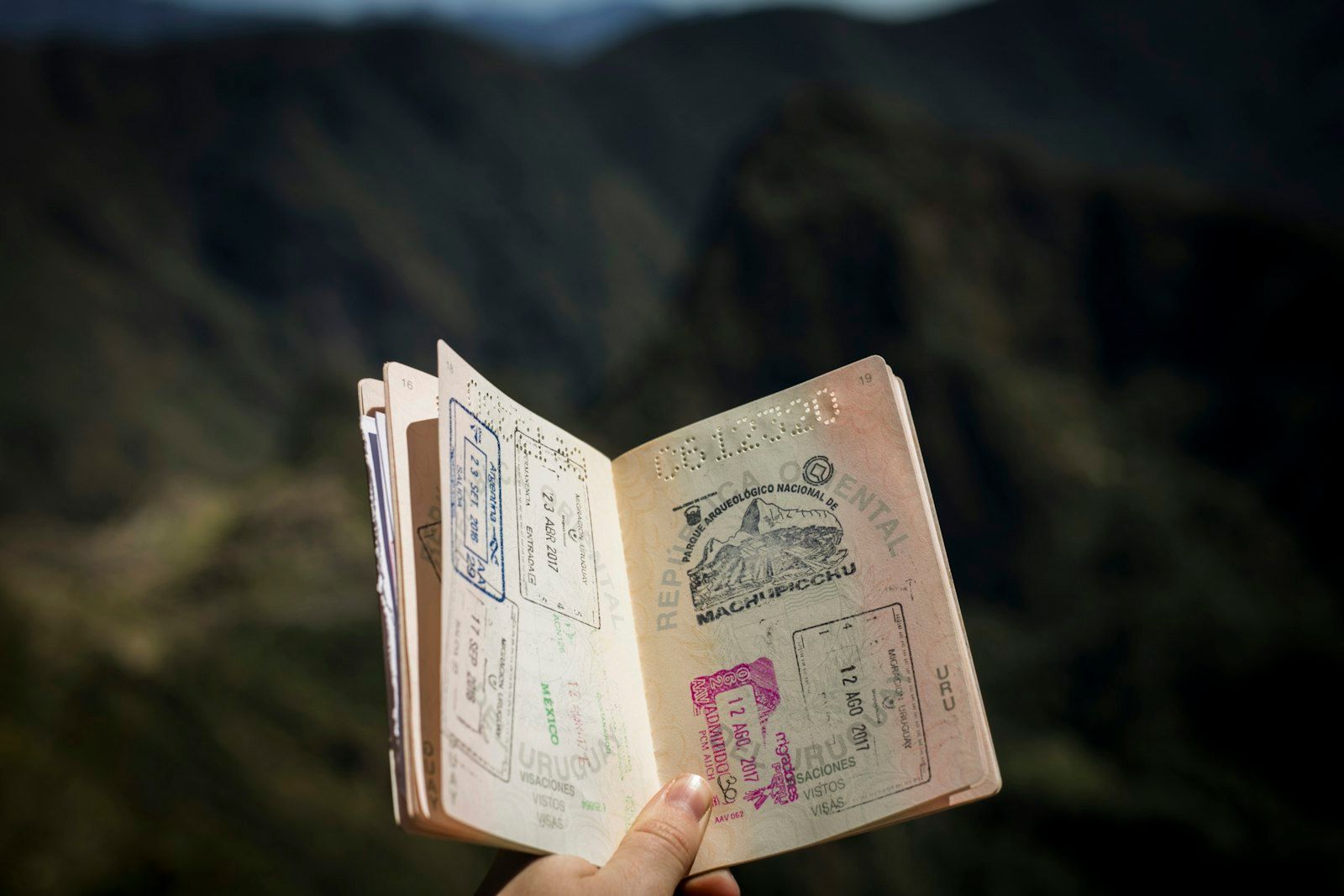
Anything involving recreational drugs is dealt with extremely severely under Thai law, with long prison sentences. It is simply not worth the risk. It also helps to always carry a clear copy of your passport photo page and entry stamp, and to keep the original somewhere safe and accessible, since police can ask to see it.
Emergency numbers and getting help
Save these before you need them:
- 1155, the Tourist Police. This is the one to remember. They speak English, operate 24/7, and can act as a go-between with local police. If you can only save one number, make it this.
- 191, general emergencies. The main police and emergency line. Operators do not always speak English, so ask for an English-speaking officer.
- Your embassy or consulate. If you are detained, you have the right to have your embassy notified (under the Vienna Convention) and to an interpreter. Your embassy cannot get you released or act as your lawyer, but it can provide a list of local lawyers and check on your welfare.
If you are held, note that police can generally detain you for up to 48 hours before you must be brought before a court, and you have the right to a lawyer. Do not answer substantive questions or sign anything until one is present.
The bottom line
None of this is a reason to be nervous about Phuket. The overwhelming majority of officers are professional, and a polite, cooperative traveller with their documents in order will almost never have a problem. Knowing your rights simply means that on the rare occasion something is not right, you can keep a clear head, keep a record, and get the right help quickly.
For more on staying on the right side of the rules during a longer stay, see our Thailand tourist visa guide and the Destination Thailand Visa guide, and if you are out enjoying the island's nightlife and events, the same calm, sensible approach applies.
Frequently asked questions
Can Thai police search you without a warrant?
In a public place, yes. Police can search your person or vehicle on reasonable suspicion without a warrant. A private place like a home or hotel room generally does need a warrant (Criminal Procedure Code Section 92), except in specific urgent situations.
Do I have to let the police search me in Thailand?
If the search is lawful, refusing can lead to arrest, so cooperating is usually the sensible choice. You can still ask to see ID, record the process openly, and ask for witnesses.
Can I film the police during a search in Thailand?
There is no law against filming in a public place, and recording openly can help keep a search transparent. Do not obstruct the officer. Be aware that footage can also be used as evidence if something illegal that is genuinely yours is found.
What number do I call for tourist help in Thailand?
Dial 1155 for the Tourist Police, who speak English and are available 24 hours a day. Use 191 for general police emergencies, and ask for an English-speaking operator.
Is vaping illegal in Thailand?
Yes. E-cigarettes and vapes are completely illegal, with no exception for nicotine-free devices or tourists. Possession can bring large fines and, for importing, much more serious penalties. Leave them at home.
What should I do if the police plant something on me?
Do not touch the item or admit it is yours. Ask to photograph it, stay calm, and immediately ask to contact a lawyer, your embassy, and the Tourist Police on 1155. Having recorded the search openly is your best protection.
As always, we hope you have a fun, safe and enjoyable time in Phuket. If you have had an experience or a tip worth sharing, let us know in the comments below.
Keep reading
 News
NewsA Thai senator has proposed letting foreigners own 100% of a business in Thailand to end the nominee system. Here is what was said and what it could mean.
 Practical
The honest 2026 answer: most Thai banks reject DTV visa holders for new accounts. Why it happens, what does not work, and the real alternatives that do.
 Practical
How do tourists pay in Thailand? Compare Wise and home cards, the KBank prepaid Visa card, cash and ATM fees, honestly, with no Thai bank account needed.