
Cost of living in Phuket 2026: monthly budgets, rent and real prices
Cost of living in Phuket 2026: real monthly budgets, rent by area, food, utilities and visa costs in Thai baht and USD, from budget to comfortable expat life.
Thailand Stuff Editorial Team
Researched and fact-checked against on-the-ground prices and reputable data · 20 Jul 2026 · 15 min read

The cost of living in Phuket runs from roughly 30,000 THB a month for a careful single person to 80,000 THB or more for a comfortable expat lifestyle with a nice condo and regular nights out. That is far cheaper than most of the West, a little pricier than Chiang Mai or the Isaan countryside, and heavily dependent on two things: which part of the island you live in, and how "Western" you want your daily life to be. This guide breaks down real 2026 prices in Thai baht (THB) and US dollars, area by area, so you can build a monthly budget you can actually trust. Figures use an approximate rate of 34 THB to 1 USD; check the live rate before you plan.
How much does it cost to live in Phuket per month?
A single person can live comfortably in Phuket on around 40,000 to 60,000 THB (about $1,200 to $1,750) a month, while a frugal long-stayer can get by closer to 30,000 THB and an upmarket lifestyle easily passes 80,000 THB. Cost-of-living data backs this up: Numbeo estimates a single person's monthly costs at around 22,000 THB before rent, and rent is where the real spread happens.
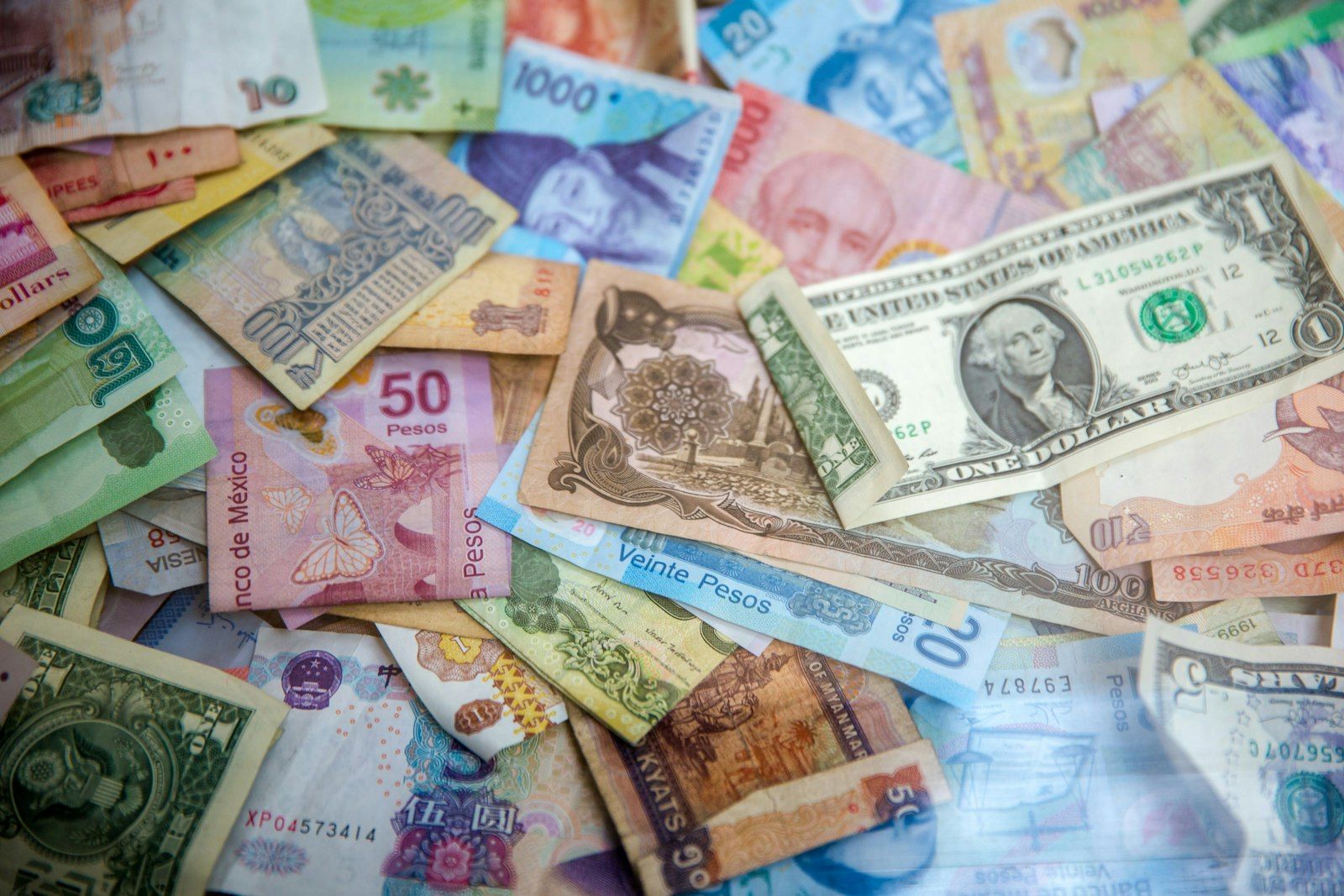
The table below is a realistic starting point for one person, all in, including rent.
| Lifestyle | Monthly budget (THB) | Approx (USD) | What it looks like |
|---|---|---|---|
| Budget / long-stay | 30,000 to 40,000 | $880 to $1,180 | Studio or room inland, scooter, mostly Thai food |
| Comfortable expat | 50,000 to 70,000 | $1,470 to $2,060 | 1-bed condo near a beach, eating out often, insurance |
| Upmarket | 80,000+ | $2,350+ | Western-standard condo or villa, car, private schooling extra |
Your number depends far more on choices than on Phuket being "expensive". Rent, how often you eat Western food, and whether you run air conditioning all day are the three levers that move a budget the most.
Rent in Phuket: the biggest cost, by area
Rent is the single largest line in almost every Phuket budget, and it swings more by location than anything else. A simple one-bedroom condo can cost 8,000 THB inland or 30,000 THB in a beach-tourist zone for a similar size. Prices below are typical monthly rents on a longer lease (6 to 12 months); short-term and high-season lets cost considerably more.

| Area | Vibe | 1-bed condo (THB/month) |
|---|---|---|
| Chalong, Kathu, inland | Local, quiet, best value | 8,000 to 15,000 |
| Rawai, Nai Harn | Popular expat south | 12,000 to 25,000 |
| Patong, Kata, Karon | Tourist west coast | 15,000 to 35,000 |
| Bang Tao, Laguna, Cherng Talay | Upmarket north-west | 25,000 to 60,000+ |
Where to get value
The best value is inland and in the south. Areas like Chalong and Kathu put you a short scooter ride from beaches while cutting rent dramatically, and long-stay expats routinely report paying around 22,000 THB a month for a decent one-bedroom including utilities in a quiet area. Studios on annual leases start closer to 6,000 to 10,000 THB. The trade-off is that you will rely on a scooter for everything, and you are a little further from the tourist strip, which most residents count as a benefit rather than a cost.
Where you pay a premium
The tourist west coast and the upmarket north-west carry a location premium. A beachfront-adjacent condo in Kata or a resort-style unit in the Laguna area can cost two to three times an equivalent place inland, and prices rise again in the November to March high season.
Utilities, internet and phone
Budget roughly 2,000 to 5,000 THB a month for utilities, and the single biggest variable is air conditioning. Electricity is metered per unit by the Provincial Electricity Authority, so a household that runs AC all day in the hot season can pay 3,000 to 4,000 THB, while someone who uses fans and AC only at night might pay under 1,500 THB. Water is cheap, usually 100 to 300 THB.
Home fibre internet is fast and inexpensive at around 500 to 800 THB a month, and a mobile SIM with generous data runs 300 to 500 THB. If you work online, this is one area where Phuket genuinely beats the West on both price and, increasingly, speed.
Food: eating local costs pennies, Western food adds up
You can eat extremely well and cheaply in Phuket if you eat like a local, and the price gap between Thai and Western food is the biggest food-budget decision you will make. A plate of noodles or rice from a local shop or market runs 50 to 80 THB, a food-court meal 60 to 100 THB, and Phuket's famous local spots such as Go Benz serve legendary khao moo daeng for well under 100 THB. Browse more of the island's kitchens in our Phuket restaurant listings.
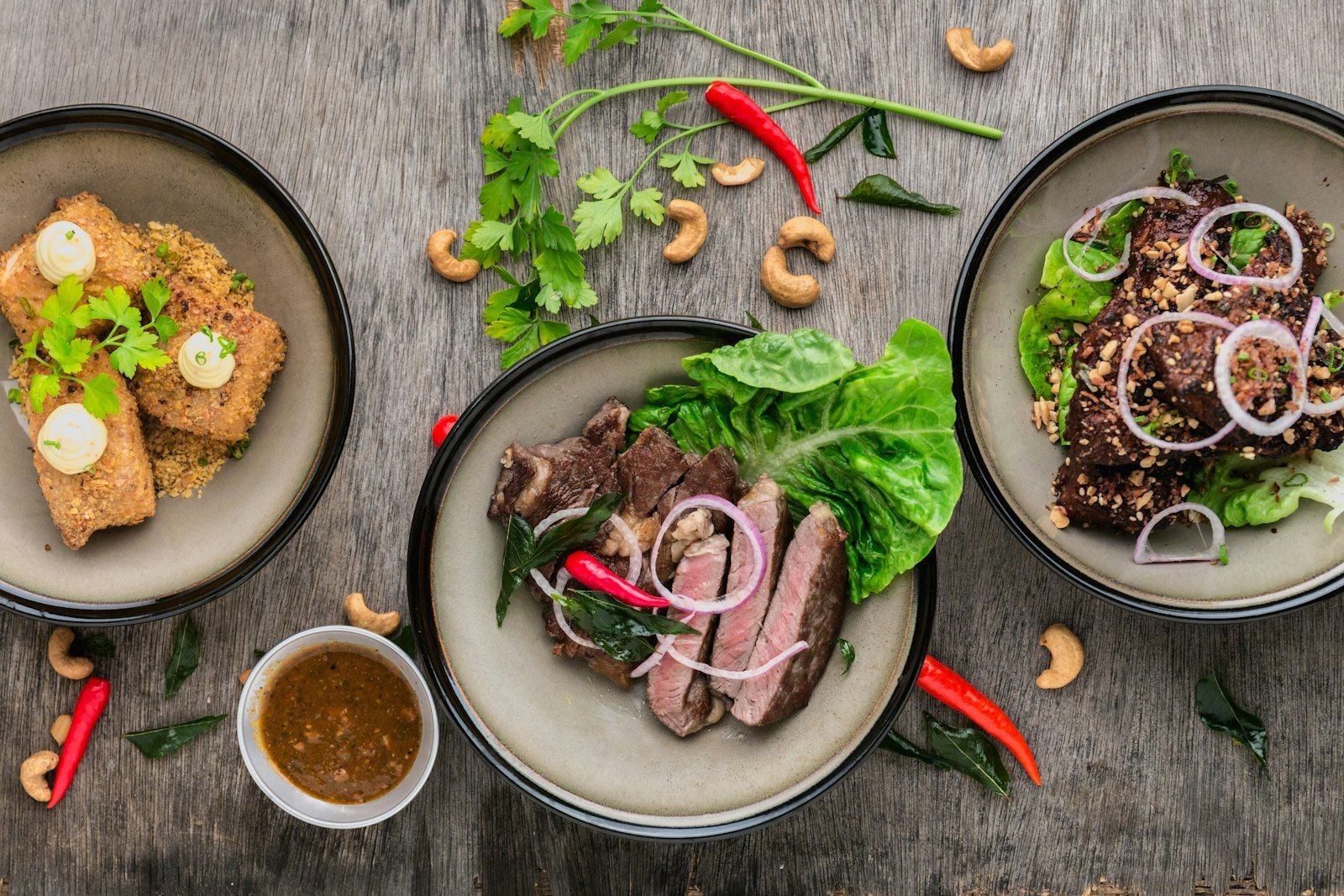
Western restaurant mains typically cost 300 to 600 THB, a coffee 60 to 120 THB, and imported groceries (cheese, wine, familiar brands) carry a steep markup at the big supermarkets. A realistic monthly food budget is 8,000 to 12,000 THB if you mostly eat Thai, rising to 20,000 THB or more if you eat Western food and drink out regularly. Remote workers who split their time between a coworking cafe like Denz and street food often land at the lower end.
Getting around: scooters, cars and Grab
Transport in Phuket is cheap if you ride a scooter and expensive if you rely on taxis. A monthly scooter rental is around 2,500 to 4,000 THB, petrol is roughly 35 to 40 THB a litre, and a used scooter to buy costs 30,000 to 50,000 THB. That keeps most residents' transport costs under 4,000 THB a month.
Cars are a different story: renting long-term runs 12,000 to 20,000 THB a month, and Phuket's metered-taxi culture is weak, so app-based Grab rides and the occasional tuk-tuk add up fast for anyone who does not ride. Many new arrivals underestimate this and either learn to ride or budget several thousand baht extra a month for Grab. If you are into two wheels for fun as well as transport, the island's trails and rides are a cheap weekend hobby.
Healthcare and insurance
Healthcare in Phuket is high quality and, by Western standards, affordable, but you should budget for private insurance rather than paying out of pocket for anything serious. A GP visit or minor treatment at a private hospital might cost 800 to 2,000 THB, but an emergency or surgery at an international hospital can run into six figures of baht, which is why most long-stay foreigners carry cover.
Expat health insurance varies enormously with age and level of cover, from a few thousand baht a month for a younger person with basic cover to well over 10,000 THB a month for older residents with comprehensive plans. Get quotes before you move, because some visa routes also require a minimum level of health cover.
Visas and the cost of staying legally
Staying in Phuket long term has its own cost, and the right visa depends on your situation and income. A visa is not a monthly expense, but the deposit, insurance or income requirements attached to each route shape your budget, so factor them in early. If you work online, the Destination Thailand Visa is the current remote-worker route; if you are over 50, the Thailand retirement visa is the classic option, and our guide to how much you need to retire in Thailand puts real numbers on it.
Higher-income movers often look at the Long-Term Resident (LTR) visa, while shorter stays run on a tourist visa. The table below shows which route tends to fit which budget and situation, and you can read each one in full in our Thailand visa guides. Whichever you choose, keep the bank-balance or income requirement separate from your day-to-day spending money.
| Visa route | Best for | Rough budget or requirement |
|---|---|---|
| Tourist visa | Short stays and trying Phuket out | Any budget, no financial test |
| Destination Thailand Visa (DTV) | Remote workers and digital nomads | 500,000 THB in savings |
| Retirement visa | Over-50s settling long term | 800,000 THB in the bank or 65,000 THB monthly income |
| LTR visa | High earners, retirees and investors | Higher income or investment thresholds |
| Education visa | Long-stay study such as Thai or Muay Thai | Course fees, budget-friendly |
| Elite / Privilege visa | Hassle-free long stays with no income test | Large one-off membership fee |
Is Phuket more expensive than Bangkok or Chiang Mai?
Phuket sits in the middle: cheaper than central Bangkok for rent and roughly on par for food, but noticeably pricier than Chiang Mai, which is Thailand's budget-expat favourite. Chiang Mai rents and eating-out costs can be 20 to 40 percent lower than Phuket's beach areas, which is why nomads chasing the lowest burn rate often start there.
| Destination | Comfortable single budget (THB/month) | Vibe |
|---|---|---|
| Chiang Mai | 30,000 to 45,000 | Cheapest, laid-back, mountains, no beach |
| Phuket (inland/south) | 40,000 to 55,000 | Island life on a sensible budget |
| Phuket (beach west) | 55,000 to 80,000+ | Beaches, nightlife, tourist prices |
| Bangkok (central) | 45,000 to 70,000 | Big city, top rents, everything on tap |
| Bali (Canggu) | 45,000 to 65,000 | Comparable island rival, rising fast |
What Phuket buys with the premium is the beaches, the international infrastructure, the direct flights and the lifestyle. For many expats that trade is worth a few extra thousand baht a month, and choosing an inland or southern area closes most of the gap with Chiang Mai anyway.
Sample monthly budgets: single, couple and family
Real budgets make the numbers concrete, so here are three realistic 2026 examples for Phuket, all including rent.
- Single digital nomad, inland: studio or 1-bed in Chalong 12,000, food 10,000, scooter and petrol 4,000, utilities and internet 3,000, insurance 4,000, fun 7,000. Around 40,000 THB (about $1,180).
- Couple, comfortable, near a beach: 1-bed in Rawai 20,000, food and eating out 18,000, transport 6,000, utilities 4,000, insurance 8,000, fun and travel 14,000. Around 70,000 THB (about $2,060) between two.
- Family of four with school: 2 or 3-bed house 35,000, food 25,000, car 15,000, utilities 5,000, insurance 15,000, plus international school fees which are a large separate cost. From 95,000 THB before school fees.
International-living estimates broadly agree that a couple can live well on around $2,500 to $2,800 a month across most of Phuket, which lines up with the couple example above.
One-off and setup costs when you move to Phuket
Beyond your monthly budget, plan for a chunk of one-off costs in your first weeks, because they catch a lot of new arrivals out. The largest is usually the rental deposit: most Phuket landlords ask for two months' deposit plus the first month up front, so a 20,000 THB condo means around 60,000 THB before you get the keys.
After that come the basics of setting up home. Many longer leases are part-furnished, but you may still buy a fridge, fans, kitchen kit and bedding, which can run 15,000 to 40,000 THB depending on what is provided. If you want your own transport, a used scooter is 30,000 to 50,000 THB, or you can rent monthly instead, and a car is a much bigger commitment. Then there are the arrival costs that are easy to forget: your first health-insurance premium, any visa fee or agent cost, an initial supermarket shop to stock a new kitchen, and a SIM plus fibre installation.
Budgeting 80,000 to 150,000 THB for a smooth first month, on top of your ongoing spend, keeps the move from becoming stressful. If you eventually buy rather than rent, property is a separate topic with its own taxes, ownership rules and legal costs that sit well outside a normal monthly budget.
How do people afford to live in Phuket?
Most foreign residents fund life in Phuket from income earned elsewhere, which is exactly what makes the island's costs feel low. Remote workers and freelancers on Western salaries, retirees on pensions, and people living off savings or investments all stretch much further here than at home, because the gap between a Western income and Thai prices does the heavy lifting.
Your income source usually decides your visa route, and the two are worth planning together: online earners typically use the remote-worker visa, over-50s use the retirement route, and higher earners look at the LTR visa, each with an income or savings threshold you should keep separate from your spending money. Working locally for a Thai salary is possible but changes the maths entirely, since local wages are a fraction of Western ones. Whatever funds your life here, keep three to six months of expenses in reserve, because exchange-rate swings and the occasional big bill are the main things that upset an otherwise comfortable Phuket budget.
Cost of living in Phuket by area
Where you live on the island changes your budget as much as how you live, so it is worth matching an area to your priorities before you sign a lease. The west coast (Patong, Kata, Karon) is the tourist heartland: lively, walkable and close to the beaches, but rents, restaurant prices and nightlife all carry a premium, and Patong in particular is the most expensive place to live day to day.
The south (Rawai, Nai Harn) is the established expat and family zone, quieter and greener, with strong value on longer leases and an easy scooter ride to several beaches. Inland (Chalong, Kathu and around Phuket Town) is where budgets stretch furthest, with the lowest rents, the most local markets and the best everyday prices, at the cost of not being on the beach. The upmarket north-west (Bang Tao, Laguna, Cherng Talay) is where the resorts, international schools and high-end condos cluster, and budgets there look more like a Western city. A good rule of thumb is that moving one zone inland or south from the tourist west can cut your rent and daily spend by a third or more. If food is a priority, the island's restaurant scene spans street stalls to fine dining across every area.
Schooling, childcare and family costs in Phuket
For families, international school fees are usually the single largest cost of living in Phuket, dwarfing rent and food. Phuket has a strong cluster of international schools, mostly in the Bang Tao and Thalang areas in the island's north, and annual fees typically run from around 300,000 THB at the budget end to well over 800,000 THB per child at the premium British and international-curriculum schools, before extras like uniforms, buses and registration.
Younger children have cheaper options: local and bilingual kindergartens and nurseries are far more affordable, often 5,000 to 20,000 THB a month, and many working parents use them. Childcare and domestic help are also relatively cheap by Western standards, with part-time nannies and cleaners widely available. The takeaway for families is simple: if you are moving with school-age children, price the schools first, because they will define your budget far more than anything else on this page.
Banking, money and exchange rates
How you get your money into Thailand quietly affects your real cost of living, because fees and exchange rates add up over a year. Most expats keep their income in a home-country or multi-currency account and move money across as needed, and using a low-cost transfer service such as Wise rather than a traditional bank wire can save a noticeable amount on every transfer and give you a fairer rate.
Opening a Thai bank account is possible but usually requires a longer-stay visa, and ATM withdrawals from foreign cards carry a fixed fee of around 220 THB each on top of your own bank's charges, so larger, less frequent withdrawals cost less overall. The exchange rate itself is the biggest single variable in a foreigner's Phuket budget: because most income is earned abroad and spent in baht, a swing in the rate can move your real spending power by ten percent or more without you changing a thing, which is the main reason to keep a cash buffer.
How to keep your costs down in Phuket
The fastest way to cut your Phuket burn rate is to move inland, ride a scooter and eat Thai. Those three choices alone can halve a budget compared with a Western lifestyle on the beach. Signing a longer lease, using fans instead of round-the-clock AC, shopping at fresh markets rather than import supermarkets, and having a local SIM and fibre rather than roaming all shave meaningful amounts off the monthly total.
The biggest hidden costs are high-season short-term rent, relying on Grab instead of a scooter, and an all-Western diet, so tackle those three first. Do that and Phuket can be a genuinely affordable base; ignore them and it can quietly cost as much as home.
Frequently asked questions
How much money do I need to live comfortably in Phuket?
Most single people live comfortably on 40,000 to 60,000 THB a month (about $1,200 to $1,750), covering a decent condo, eating out regularly, a scooter and insurance. A frugal long-stayer can manage nearer 30,000 THB, while an upmarket lifestyle with a car and beach-side condo passes 80,000 THB.
Can I live comfortably on $2,000 a month in Phuket?
Yes, a single person lives well on $2,000 (around 68,000 THB) a month in most of Phuket, especially inland or in the south. It stretches to a nice one-bedroom, frequent restaurant meals, a scooter and insurance with room to spare. A couple on $2,000 would need to budget more carefully.
Can I live on $1,000 a month in Phuket?
It is possible but tight. Around $1,000 (34,000 THB) means a studio or room inland, mostly Thai food, a scooter and minimal extras, closer to a backpacker or budget long-stay life than a comfortable expat one. Most people find $1,200 to $1,500 far more livable.
How much is rent in Phuket per month?
A one-bedroom condo runs about 8,000 to 15,000 THB inland (Chalong, Kathu), 12,000 to 25,000 THB in popular expat areas like Rawai, and 15,000 to 35,000 THB or more on the tourist west coast. Studios on annual leases start around 6,000 to 10,000 THB.
Is Phuket cheaper to live in than the USA or UK?
Yes, considerably. Rent, food, transport and healthcare are all a fraction of typical US or UK costs, and many expats live well in Phuket for what would be a modest budget back home. Imported goods and international schooling are the main areas where the gap narrows.
Is Phuket more expensive than Chiang Mai?
Yes, modestly. Chiang Mai is Thailand's budget-expat capital, with rents and eating out often 20 to 40 percent cheaper than Phuket's beach areas. Living inland or in southern Phuket closes much of that gap while keeping you near the coast.
How much are utilities and internet in Phuket?
Budget 2,000 to 5,000 THB a month for utilities, driven mostly by air-conditioning use, plus around 500 to 800 THB for fast home fibre internet and 300 to 500 THB for a mobile SIM. Water is cheap at 100 to 300 THB.
Which area of Phuket is cheapest to live in?
Inland areas like Chalong, Kathu and around Phuket Town are the cheapest, with the lowest rents and the best everyday prices, followed by the southern expat zones of Rawai and Nai Harn. The tourist west coast (Patong, Kata, Karon) and the upmarket north-west (Bang Tao, Laguna) are the most expensive.
How much are international school fees in Phuket?
International school fees are the biggest cost for families, typically from around 300,000 THB a year at the budget end to well over 800,000 THB per child at premium schools, before extras. Local and bilingual kindergartens are far cheaper at roughly 5,000 to 20,000 THB a month.
About this guide
This guide was written and fact-checked by the Thailand Stuff editorial team, who live in and cover Phuket. We base our figures on current on-the-ground prices, local listings and reputable cost-of-living data such as Numbeo and Wise, and we review this guide regularly to keep prices current. Costs vary with lifestyle, area, season and exchange rate, so treat every figure as a realistic guide rather than a quote, and confirm live rents and rates before you commit. Last reviewed: July 2026.
Sources
Numbeo, Cost of Living in Phuket
Keep reading
 News
NewsA Thai senator has proposed letting foreigners own 100% of a business in Thailand to end the nominee system. Here is what was said and what it could mean.
 Practical
The honest 2026 answer: most Thai banks reject DTV visa holders for new accounts. Why it happens, what does not work, and the real alternatives that do.
 Practical
How do tourists pay in Thailand? Compare Wise and home cards, the KBank prepaid Visa card, cash and ATM fees, honestly, with no Thai bank account needed.