
How to rent a scooter in Phuket: prices, licence and safety
How to rent a scooter in Phuket safely: real prices, the licence and passport rules, the scams to avoid, and how to ride without voiding your insurance.
Thailand Stuff
Phuket travel editors · 22 Jul 2026 · 14 min read

A scooter is the cheapest and most flexible way to get around Phuket, and for many visitors it turns a good trip into a great one. It is also where a lot of holidays go wrong, through avoidable scams, missing paperwork and serious accidents. This guide explains how to rent a scooter in Phuket the right way: what documents you actually need, what a fair price looks like, how to dodge the passport and damage scams, and how to stay safe once you are on the road. Get these basics right and you will ride away confident rather than caught out.
The quick version: how to rent a scooter in Phuket
To rent a scooter in Phuket you need your passport, a valid motorcycle licence (ideally your home licence plus an International Driving Permit), a cash deposit of around 500 to 2,000 baht, and a helmet, which every decent shop provides. Expect to pay roughly 200 to 300 baht a day for a standard 125cc automatic, less by the week or month.
The safe process is simple. Choose a shop with clear, posted prices and good reviews, never one that insists on holding your passport. Photograph and film the whole bike before you take it, check the brakes, tyres, lights and horn, and confirm what the deposit covers. Then ride carefully, on the left, always in a helmet, and never after drinking.
The rest of this guide unpacks each of those steps, because the details are where money is lost and trips are ruined. Read the licence and insurance sections in particular before you hand over any cash.
What you need to rent a scooter in Phuket
Renting a scooter in Phuket is quick, but you should arrive with the right things rather than sorting them out at the counter. Most shops will ask for very little, which is exactly why so many riders end up uninsured and illegal without realising it.
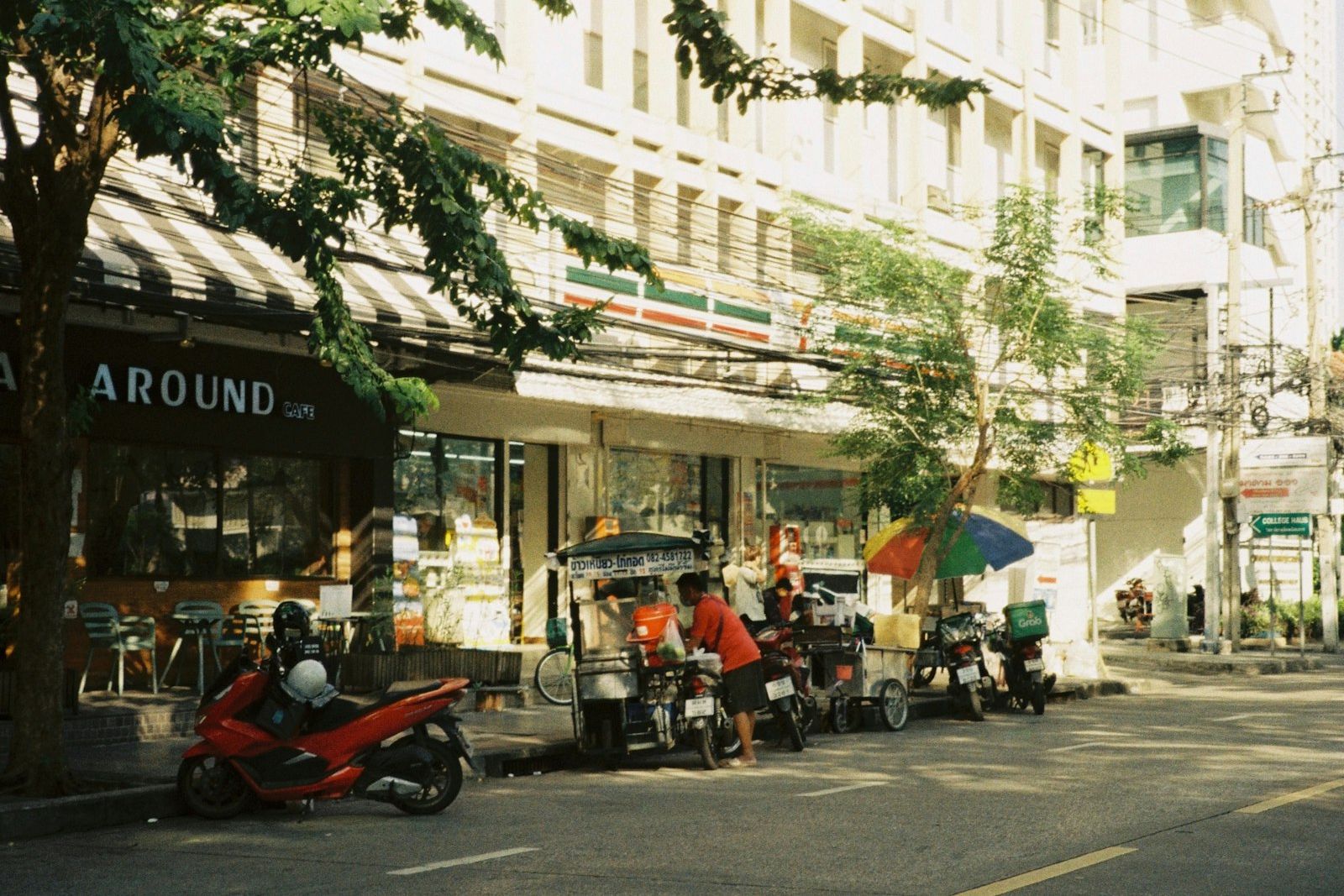
Here is what you genuinely need:
- A passport. Shops need to see it, and many will photocopy it. You should let them copy it, but not keep the original (more on that below).
- A valid motorcycle licence. Either a Thai one or your home country motorcycle licence plus an International Driving Permit that shows the motorcycle category.
- A cash deposit. Usually 500 to 2,000 baht for a standard scooter, more for a larger or premium bike.
- A helmet. Reputable shops include one. Insist on it and wear it, every single ride.
- A working phone with data, for maps and to contact the shop. A local SIM or eSIM makes this easy.
Get all of that in order before you start comparing bikes, and the actual rental takes about ten minutes. For a wider view of moving around the island, including taxis and ride apps, start from the Phuket hub page.
Do you need a licence to rent a scooter in Phuket
Yes. To ride legally in Thailand you need a valid motorcycle licence, and this is the single most misunderstood part of how to rent a scooter in Phuket. Plenty of shops will hand a bike to anyone with a passport and a deposit, but that does not make it legal, and it does not make you insured.
For most visitors, riding legally means carrying your home country motorcycle licence together with an International Driving Permit (IDP) that lists the motorcycle category. An IDP on its own is not a licence, and a car-only licence does not cover a motorbike. You can arrange an IDP cheaply before you travel, for example through the UK government IDP service or the equivalent authority in your country.
Why it matters comes down to two things: police and insurance. Police set up checkpoints across Phuket and do stop foreign riders, and riding without the correct licence can mean an on-the-spot fine. Far more seriously, most travel insurance policies will refuse a claim if you were riding without a licence valid for that vehicle, or without a helmet. Both the UK Foreign Office and the US State Department warn travellers about exactly this. A crash with no cover can turn into a hospital bill of hundreds of thousands of baht, so treat the licence as non-negotiable, not red tape.
How much does scooter rental cost in Phuket
Scooter rental in Phuket is cheap by international standards, but the price depends heavily on the bike, the season and how long you rent. As a rule, the longer you rent, the lower the daily rate, and standard automatics are far cheaper than the big touring scooters.
Here is a realistic guide to current prices. Treat these as typical ranges rather than fixed quotes, and expect a small premium in the busy high season and at the airport.
| Bike type | Typical per day | Per month | Notes |
|---|---|---|---|
| Basic 110cc to 125cc automatic (Honda Click, Yamaha Mio) | 200 to 300 baht | 2,500 to 4,500 baht | The default choice, ideal for one rider |
| Older or budget scooter | 150 to 250 baht | 2,000 to 3,500 baht | Cheapest option, check condition carefully |
| Larger 150cc to 160cc (Honda PCX, ADV) | 350 to 500 baht | 5,000 to 8,000 baht | More comfortable for two, better on hills |
| Maxi scooter or big bike 300cc plus | 600 to 1,200 baht | On request | Needs a proper licence and real experience |
On top of the rental you pay a refundable deposit, usually 500 to 2,000 baht in cash for a standard scooter. Fuel is extra but cheap, and a small scooter costs very little to fill. Many shops deliver the bike to your hotel for free, which is convenient and lets you inspect it without pressure. If you are budgeting a longer stay, our Phuket cost of living guide puts these rental costs in context alongside rent, food and other day to day prices.
Where to rent a scooter in Phuket
The best place to rent a scooter in Phuket is a shop with clearly posted prices, visible insurance and damage terms, genuine reviews, and no demand for your passport. You will find rental shops in every tourist area, from Patong, Karon and Kata to Phuket Old Town, plus counters near the airport and hotels that arrange delivery.
Choose the shop as carefully as the bike. A well run operator lets you inspect the scooter without pressure, explains the deposit and what counts as damage, and gives you a clear contact number. A reputable local option is Motorbike Rental Station Phuket, which offers free delivery, keeps your passport out of the deal, and includes damage cover. You can see more hire options on the Phuket transport listings.
If you want something bigger than a scooter, for example a dual sport or off road bike to explore the hills, that is a different rental and a different skill level. Specialist shops such as Phuket CRF Off-Road and Enduro Rentals hire proper trail bikes, and our enduro in Phuket guide covers where and how to ride them. For everyday getting around, a standard automatic scooter is all most visitors need.
Deposit and the passport trap: never hand over your passport
The most important rule when you rent a scooter in Phuket is simple: never leave your actual passport as a deposit. It is common for shops to ask, and it is the single biggest source of rental disputes on the island. If a shop is holding your passport, you have lost your leverage in any argument over damage, and getting it back can become expensive.
A cash deposit is normal and fine. Expect around 500 to 2,000 baht for a standard scooter, held until you return the bike in the same condition. What is not fine is surrendering the original passport. Offer a photocopy instead, or a larger cash deposit, and walk away from any shop that refuses. Some newer operators and deposit apps hold your money in escrow so that neither side can hold the other hostage, which is a good sign a shop takes fairness seriously.
There is also a practical reason beyond scams. You may need your passport during the rental for a hotel, a bank, a domestic flight or a hospital, and Thai immigration expects you to be able to produce it, as our Thailand tourist visa guide explains. Keep it with you, give the shop a copy and a cash deposit, and you remove the most common way a cheap rental turns into a costly mess.
Scooter rental scams in Phuket and how to avoid them
Most scooter shops in Phuket are honest, but a minority run predictable scams, and knowing them is the best defence. Nearly every scam depends on one thing: the shop having leverage over you, usually your passport or an unclear record of the bike's condition. Remove that leverage and you remove the scam.
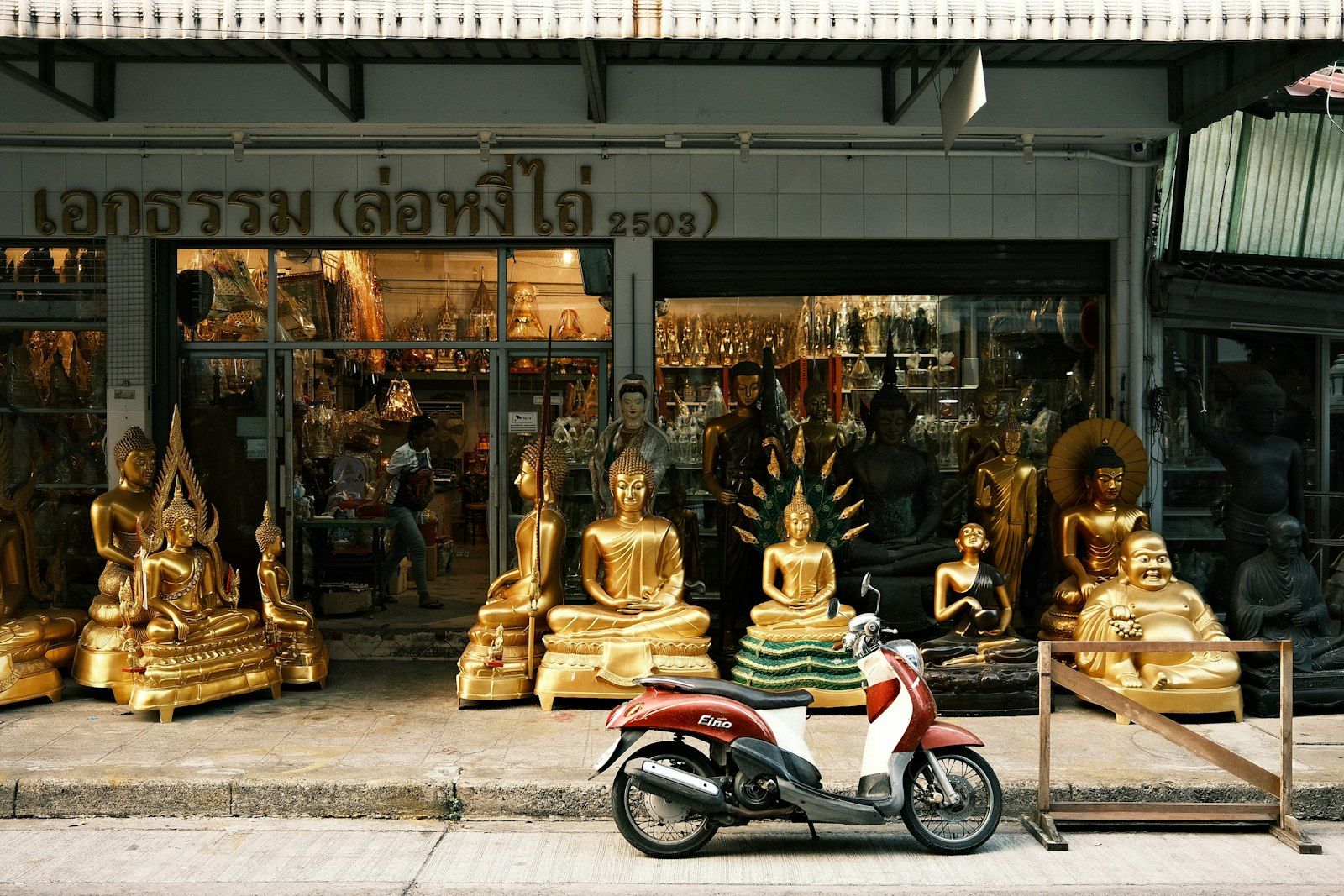
The three you are most likely to meet are:
- The scratch or damage scam. On return, the shop points to a scratch or dent and demands thousands of baht, often for damage that was already there. Defence: film a slow video of the entire bike before you leave, including existing marks, with the date visible.
- The breakdown scam. The bike develops a fault that was already present, and you are blamed and charged for the repair. Defence: test everything before you ride, and report any issue to the shop immediately, in writing or by message.
- The passport hostage. The shop holds your passport and refuses to return it until you pay a disputed charge. Defence: never leave your passport in the first place.
A few habits defeat almost all of these. Photograph and video the bike from every angle before you ride away. Keep the rental agreement and any messages. Pay deposits in cash, not by leaving documents. Use shops with strong, recent reviews. And keep the shop's contact details so you can flag a problem the moment it happens rather than at return.
How to check the scooter before you ride
Before you accept any scooter, spend five minutes checking it. This protects you from both the breakdown scam and, more importantly, from an accident caused by a poorly maintained bike. A rushed handover is exactly when faults get missed.
Run through this quick inspection every time:
- Brakes. Both front and rear should bite firmly without feeling spongy or grinding.
- Tyres. Look for tread and even wear, and check they are not visibly flat or cracked.
- Lights and indicators. Test the headlight, brake light and both indicators.
- Horn. It sounds minor, but you will use it constantly in Phuket traffic.
- Mirrors. Make sure both are present and can be adjusted.
- Fuel and controls. Note the fuel level, and check the throttle and both brake levers feel smooth.
While you inspect, take that walkaround video and photograph any existing scratches, cracks or dents. Show the shop anything you find and make sure it is noted. A good operator will happily swap a bike or fix a fault. If a shop brushes off a real problem, that tells you how the return conversation will go, so choose a different one.
Staying safe on a scooter in Phuket
Riding a scooter in Phuket is fun, but be honest with yourself about the risk. Scooter accidents are one of the most common ways tourists get hurt in Thailand, often because they have never ridden before or treat a holiday like a licence to take chances. The single best thing you can do is ride within your ability and always wear a helmet.
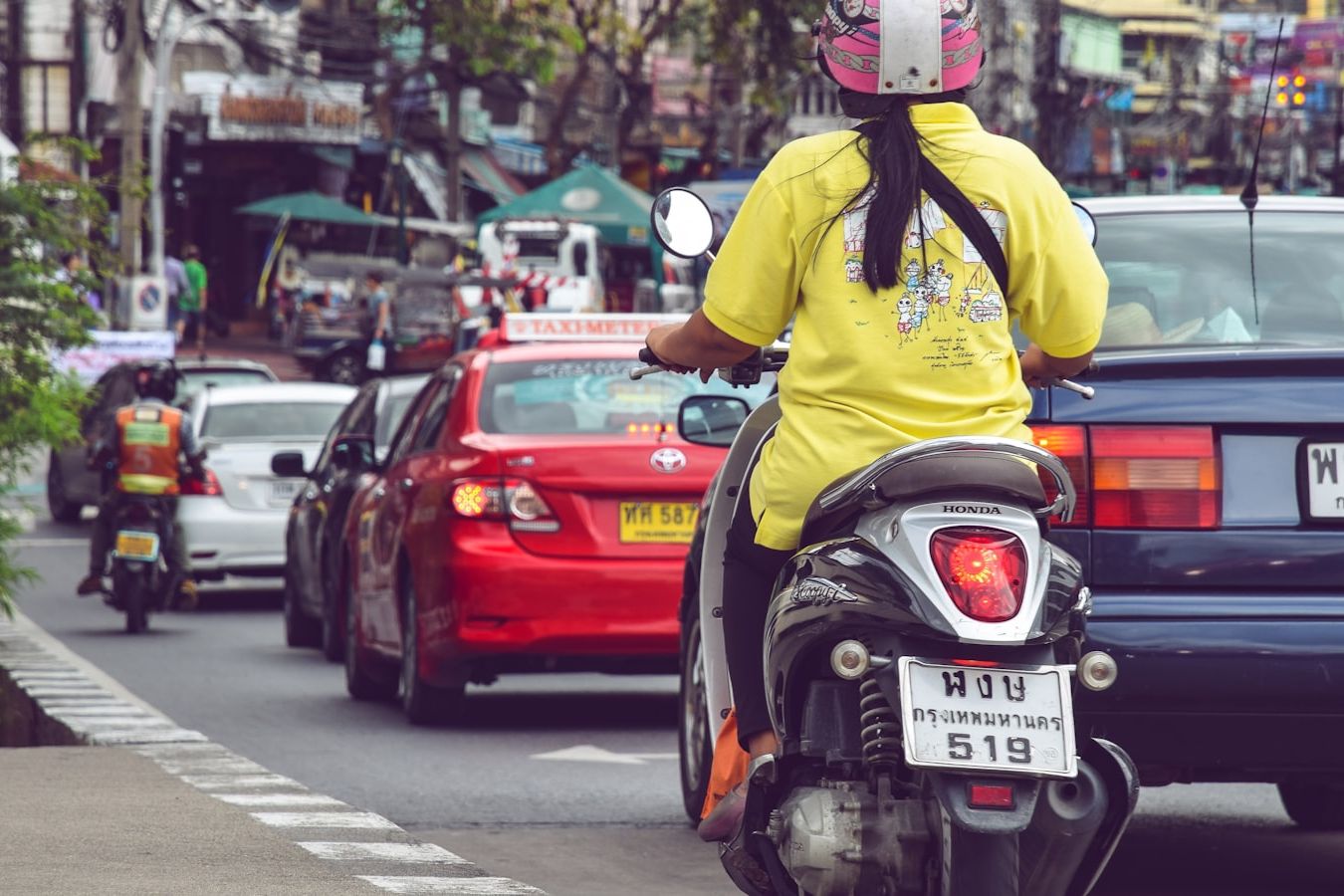
Keep these rules front of mind:
- Always wear a helmet, and make your passenger wear one too. It is the law, it is checked, and it saves lives.
- Never drink and ride. It is illegal, dangerous, and voids your insurance instantly.
- Ride on the left, and watch for traffic coming from unexpected directions at junctions.
- Slow right down in the rain. In the green season roads get slick, especially the painted lines and the first rain after a dry spell.
- Watch for sand, gravel and dogs, particularly on quiet coastal roads and hills.
- Be visible and predictable, and do not weave through traffic to save a few seconds.
If you have never ridden a scooter, Phuket's busy roads are not the place to learn on your own. Practise somewhere quiet first, or use ride apps for busy trips and save the scooter for calmer areas. There is no shame in deciding a scooter is not for you.
Insurance and what happens if you crash
Insurance is the part almost everyone gets wrong. A cheap daily rental does not mean you are covered, and the shop's own insurance, if any, usually covers the bike and third parties, not your hospital bill. For that you need your own travel insurance, and it will only pay out if you were riding legally.
That means two conditions in almost every policy: you were licensed for the vehicle you were riding, and you were wearing a helmet. Ride a 125cc scooter on a car-only licence, or without a helmet, and a serious claim can be refused, leaving you to pay for treatment yourself. Thai hospital care for a bad crash can run to hundreds of thousands of baht, which is exactly the scenario travel insurance exists to prevent.
So before you rent, check your policy actually covers motorbike riding, note any engine size limit, and make sure you meet the licence and helmet conditions. If your policy excludes motorbikes, either upgrade it or do not ride. This is the least glamorous part of how to rent a scooter in Phuket, and by far the most important.
Scooter, car or ride app: which is right for you
A scooter is not the only way to get around, and the honest answer is that it suits some visitors and not others. Choosing well depends on your confidence, your group and the weather.
A scooter is ideal if you are travelling solo or as a couple, you can ride confidently, and you want cheap freedom to explore beaches, viewpoints and cafes at your own pace. It is the most flexible and by far the cheapest option for a longer stay.
A car makes more sense for families, for luggage, for the rainy green season, or if you are simply not comfortable on two wheels in unfamiliar traffic. It costs more but removes most of the risk. Ride apps like Grab and Bolt are perfect for airport runs, nights out and rainy days, with fixed prices and no parking to worry about. Many visitors mix all three: a scooter for exploring, a car for a big day out, and an app when it rains or when drinks are involved.
Where to ride: making the most of your scooter
Once you are set up, a scooter opens up the parts of Phuket that tour buses miss. The reward for renting carefully is the freedom to chase quiet beaches, hilltop viewpoints and out of the way food that you would never reach otherwise.
Some of the best riding is out of the busy west coast strips and into the hills and the east. You can ride up to remote cafes such as JunJaow Camping and Restaurant or its sibling noodle spot Ta Yong Garden Cafe, both hilltop places reached by genuine back roads, or link a ride to a walk on one of the island's hiking and off road trails such as the Kathu Waterfall Loop. If you catch the riding bug and want something more capable than a scooter, the enduro in Phuket guide is your next stop. And whenever you plan your rides, check the season first, because timing changes everything about a day on two wheels, as the best time to visit Phuket guide explains.
Ride within your limits, keep to quieter roads while you find your feet, and a scooter becomes the best value thing you do in Phuket.
Frequently asked questions
Do you need a licence to rent a scooter in Phuket?
Legally, yes. To ride a motorbike in Thailand you need a valid motorcycle licence, which for most visitors means a home country motorcycle licence plus an International Driving Permit showing the motorcycle category. Many shops rent without checking, but riding unlicensed is illegal and voids your travel insurance.
Do I need an International Driving Permit to rent a scooter in Thailand?
You need an International Driving Permit alongside your home motorcycle licence to ride legally, unless you hold a Thai licence. The IDP must show the motorcycle category, not just car. An IDP on its own, without an underlying motorcycle licence, does not make you legal.
How much does it cost to rent a scooter in Phuket?
A standard 125cc automatic scooter typically costs 200 to 300 baht per day, with cheaper weekly and monthly rates from around 2,500 baht a month. Larger scooters cost more. You also pay a refundable cash deposit, usually 500 to 2,000 baht, plus fuel.
Can I rent a scooter in Phuket without a licence?
In practice many shops will rent to you without a licence, but you should not do it. Riding without the correct licence is illegal, risks a fine at police checkpoints, and, most importantly, voids your travel insurance if you crash, leaving you to pay large hospital bills yourself.
Should I leave my passport as a deposit?
No. Never leave your original passport as a deposit. Offer a cash deposit of 500 to 2,000 baht or a photocopy instead. Holding a passport gives a dishonest shop leverage in any damage dispute, and you may need the original for hotels, banks or a hospital.
What scooter rental scams are common in Phuket?
The main scams are the scratch scam, where you are charged for pre-existing damage, the breakdown scam, where you are blamed for an existing fault, and the passport hostage. Defend yourself by filming the bike before you ride, keeping the agreement, and never leaving your passport.
Is it safe to ride a scooter in Phuket?
It can be, but scooter accidents are common, especially among first-time riders. Wear a helmet every ride, never drink and ride, slow down in the rain, and ride within your ability. If you have never ridden before, Phuket's busy roads are not the place to learn unsupervised.
Do I need a helmet to ride a scooter in Phuket?
Yes. Helmets are legally required for both rider and passenger in Thailand, and police do enforce it. Beyond the fine, riding without a helmet will usually void your travel insurance, so always wear the helmet the shop provides and make your passenger wear one too.
Is it better to rent a car or a scooter in Phuket?
A scooter is cheaper and more flexible for confident solo travellers and couples. A car is safer and more comfortable for families, luggage and the rainy season. Many visitors use a scooter for exploring and a ride app such as Grab for airport trips, nights out and wet days.
Sources
- UK Foreign, Commonwealth and Development Office, Thailand safety and security
- US State Department, Thailand travel information
- UK government, International Driving Permit
About this guide
This guide was researched and written by the Thailand Stuff editorial team, who live in Phuket and ride here year round. It is general information to help you rent safely, not legal, insurance or medical advice. Licence, insurance and traffic rules change and can vary by nationality and policy, so always confirm the current requirements with an official source and your own insurer before you ride, always wear a helmet, and never ride without the correct licence. We review and update this guide regularly.
Keep reading
 News
NewsA Thai senator has proposed letting foreigners own 100% of a business in Thailand to end the nominee system. Here is what was said and what it could mean.
 Practical
The honest 2026 answer: most Thai banks reject DTV visa holders for new accounts. Why it happens, what does not work, and the real alternatives that do.
 Practical
How do tourists pay in Thailand? Compare Wise and home cards, the KBank prepaid Visa card, cash and ATM fees, honestly, with no Thai bank account needed.