
UK visa for Thai girlfriend: how to bring her to the UK in 2026
UK visa for a Thai girlfriend: the visitor, fiance and spouse routes explained, with 2026 costs, the £29,000 income rule and how to apply from Thailand.
Thailand Stuff Editorial Team
Researched and fact-checked against official UK and Thai government sources · 19 Jul 2026 · 15 min read

Bringing your Thai girlfriend to the UK comes down to one question: are you planning a holiday, a wedding, or a life together? There is no single "UK visa for Thai girlfriend". Instead there are four routes, each with its own rules, costs and paperwork, and choosing the wrong one is the most expensive mistake couples make. This guide explains the visitor, marriage visitor, fiance and spouse routes in plain English, covers the 2026 costs and the £29,000 income requirement that catches most people out, and walks through how to apply from Thailand. It is general information, not legal advice, so always confirm the current detail on GOV.UK before you apply.
Which UK visa does your Thai girlfriend need?
Start with your goal, because it decides everything else. If she just wants to visit, she needs a Standard Visitor visa. If you plan to marry in the UK and stay, she needs a fiance visa. If you want to marry in the UK but live elsewhere, that is the Marriage Visitor visa. And if you want to build a life together in the UK, she needs a spouse or partner visa. The table below is the fastest way to see which route fits.
| Route | Best for | Length and approximate 2026 cost |
|---|---|---|
| Standard Visitor visa | A holiday or meeting the family, with a clear plan to return to Thailand | Up to 6 months; £135 (July 2026) |
| Marriage Visitor visa | Marrying in the UK with no plan to settle there | Up to 6 months; £135 (July 2026) |
| Fiance visa | Entering the UK to marry, then switching to settle | 6 months to marry, then switch; larger fee plus health surcharge |
| Spouse or partner visa | Living together in the UK long term and settling | About 2.5 years, renewable; leads to settlement after 5 years |
Just a holiday
If she only wants to visit, the Standard Visitor visa is the route. It does not lead to settlement and she cannot work, but it is far cheaper and quicker than the family routes, and it is the natural first step for most couples.
Getting married
If the plan is a UK wedding, you choose between the Marriage Visitor visa (marry, then both leave) and the fiance visa (marry, then she stays and applies to remain). They look similar but lead to completely different places, so be clear which one you actually need.
Living together long term
If you want a life together in the UK, the spouse or partner visa is the settlement route. It has the strictest requirements, including the income threshold, but it is the only option here that leads to your partner living in the UK permanently.
The Standard Visitor visa: bringing her for a holiday
The Standard Visitor visa lets your Thai girlfriend come to the UK for up to six months for tourism or to visit you and your family. It is the most common first step for couples, and it cannot be used to work, marry with intent to stay, or access public funds. According to the GOV.UK visitor visa guidance, she must satisfy the Home Office that she will leave the UK at the end of her stay.

That single point is where visitor applications succeed or fail. A caseworker wants to see strong reasons she will return to Thailand: a job, studies, property, dependent family, or a business. The stronger her ties, the more comfortable the Home Office is that she is a genuine visitor. Because you are the person she is visiting, you will usually provide a sponsor invitation letter and evidence that you can accommodate and support her.
You should also show the relationship is real: photos together, chat and call history, records of trips, and any time you have spent together in Thailand. Citizens Advice sets out the same principles for family and friends visiting the UK, and they apply whether the visitor is a partner, parent or friend. If you currently split your time between the two countries, it also helps to understand the Thai side of your setup, which our Thailand visa guides cover in full.
The Marriage Visitor visa: getting married in the UK
The Marriage Visitor visa is for couples who want to marry or register a civil partnership in the UK but do not intend to stay. It lasts up to six months, cannot be extended, and does not lead to settlement. The GOV.UK marriage visitor guidance is clear that it is the wrong visa if your plan is for your partner to live in the UK afterwards.
Choose this route only if the wedding is the goal and you will both leave afterwards, perhaps to live together in Thailand. If your real aim is to marry and then settle in the UK, the fiance visa below is the correct path, because a Marriage Visitor visa cannot be switched into a spouse visa from inside the UK.
The fiance visa: marry in the UK, then settle
The fiance visa is part of the UK family visa system and is built for couples who intend to marry in the UK and then live there. It gives your partner six months to enter and get married, during which she cannot work, after which she switches to a spouse visa from inside the UK. It is the correct route when the end goal is settlement rather than just a ceremony.
To sponsor a fiance visa you generally need to be a British citizen or settled in the UK, you must both be over 18, you must have met in person, and you must intend to marry within six months. Crucially, the fiance and spouse routes carry the same financial requirement, which the GOV.UK family visa guidance sets at a minimum income of £29,000 a year. Because it is a settlement-category visa, it also costs more than a visit and includes the Immigration Health Surcharge, giving your partner access to the NHS. Budget for the application fee, the surcharge, and the later switch to a spouse visa.
The spouse or partner visa: living in the UK
The spouse or partner visa is the route to bringing your Thai wife or partner to live in the UK. Applied for from outside the UK it is typically granted for about two and a half years at a time, it is renewable, and after five years on the route your partner can usually apply for indefinite leave to remain, which is settlement. This is the destination that the fiance visa leads toward.
Beyond a genuine, subsisting relationship, the spouse route has three core requirements: the financial requirement, an English language requirement, and the Immigration Health Surcharge. Meeting all three cleanly is what makes a settlement application succeed, so it pays to prepare months ahead rather than rushing a deadline. The requirement that stops most couples is the money, so it deserves a section of its own.
The £29,000 income requirement, explained
The headline number is £29,000 a year. That is the minimum income a UK sponsor must show for a fiance or spouse visa for applications made on or after 11 April 2024, when the threshold rose from £18,600. The independent House of Commons Library briefing confirms £29,000 is the current figure, and the official GOV.UK proof-of-income rules set out exactly how it is assessed. Higher figures were floated for later stages, but £29,000 is what applies now.
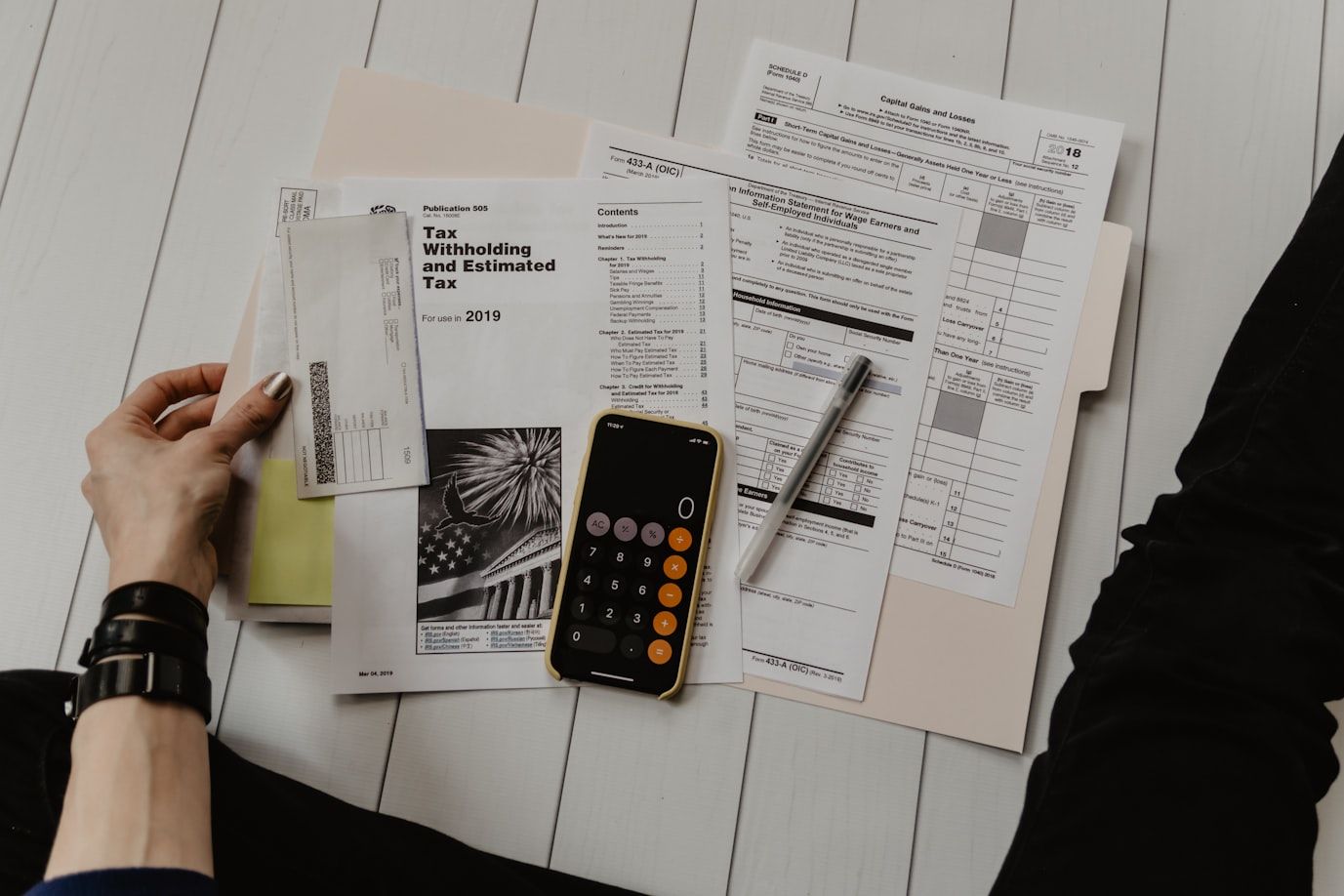
There is no single magic bank balance. What matters is how the money is earned or held and over what period. You can meet the requirement through employment, self-employment, pension income, or a savings route, and these can sometimes be combined.
- Employment. A salary of at least £29,000, usually evidenced with payslips and bank statements over a set period.
- Self-employment. Income proven through tax returns and business records, which the Home Office assesses over a full financial year.
- Pension income. Counts toward the threshold, useful for older sponsors returning to the UK.
- Cash savings. A substantial sum held for a set period can substitute for income; the savings figure is high, so check the current threshold on GOV.UK before relying on it.
If your income is unusual, a previous refusal is on record, or you are self-employed with a complex year, this is the point to pay a regulated immigration adviser rather than guess. The financial requirement is the leading reason partner applications are refused, and getting the evidence format wrong is as damaging as missing the number itself.
What a UK visa for a Thai girlfriend costs in 2026
Costs fall into two buckets: the application fee, and, for the settlement routes, the Immigration Health Surcharge on top. The figures below are the published GOV.UK fees at the time of writing (July 2026); fees are set in Home Office regulations and change periodically, so confirm the current amount on GOV.UK before you pay.
| Fee | Amount (July 2026) |
|---|---|
| Standard Visitor visa (6 months) | £135 |
| Long-term visitor visa (2 years) | £506 |
| Long-term visitor visa (5 years) | £903 |
| Long-term visitor visa (10 years) | £1,128 |
| Immigration Health Surcharge (settlement routes) | £1,035 per year |
- Standard Visitor visa. A six-month visit is the cheapest option at £135, with two, five and ten-year long-term visitor visas costing £506, £903 and £1,128 respectively (each still limited to six months per visit).
- Marriage Visitor visa. Priced similarly to the standard visitor visa, because it is a six-month visit visa rather than a settlement route.
- Fiance and spouse visas. Settlement-category applications cost significantly more than a visit, and on top of the fee you must add the Immigration Health Surcharge, currently £1,035 per year of the visa, which gives your partner access to the NHS.
When you compare routes on total cost, a visitor visa is a small one-off fee, while the family routes involve a larger fee, the health surcharge, and repeat costs each time you extend toward settlement. Judge the whole picture, not just the headline fee. If you are weighing up a life in Thailand instead, our guide to how much it costs to retire in Thailand is a useful comparison.
Documents checklist for a Thai partner's UK visa

A clean, well-organised document set is what turns a nervous application into an approval. A typical UK visa document checklist for a Thai applicant includes:
- Passport. Her current Thai passport, valid with blank pages, plus any old passports showing previous travel.
- Financial evidence. For a visitor visa, proof she can fund the trip or that you are sponsoring it; for the family routes, evidence you meet the £29,000 income or savings requirement.
- Relationship evidence. Photos, messages, call logs, travel history, and proof of time spent together, with more expected for the family routes than for a short visit.
- Sponsor and accommodation details. Your invitation letter, proof of your UK status, and where she will stay.
- Ties to Thailand (visitor route). Employment letter, property, studies, or family commitments showing she will return.
The sponsor invitation letter
For a visitor application you, as the UK sponsor, usually write an invitation letter confirming who you are, your relationship, the purpose and dates of the visit, where she will stay, and how the trip is funded. Attach a copy of your passport or residence document, proof of your address, and recent bank statements. Keep it factual and consistent with the rest of the application, because contradictions are a common trigger for refusal.
How to apply for a UK visa from Thailand
Every one of these visas is applied for online first. Your girlfriend completes the relevant application on GOV.UK, pays the fee (and the health surcharge where it applies), then books a biometrics appointment at the UK visa application centre in Thailand to give fingerprints and a photograph and submit her documents. The GOV.UK page for coming to the UK from Thailand is the correct starting point, and the Royal Thai Embassy in London publishes helpful guidance on the Thai side.
If you are travelling together and both need to be on an application, each person makes their own application and pays their own fee, even when you attend the same appointment. Processing times vary by route and season, and visitor visas are usually faster than settlement applications, so apply well ahead of any fixed travel dates or a planned wedding. Many couples in this situation split their year between the two countries. If that is you, it is worth understanding your Thai status too, whether that is the Thailand retirement visa, the Destination Thailand Visa for remote workers, the Thailand tourist visa, or the longer-term LTR visa. If you run a business back in Thailand, our guide to starting a business in Thailand covers the work-permit side.
The English language requirement
Your partner must prove she can speak and understand English for the fiance and spouse routes, though not for a visitor visa. At the entry stage this normally means passing an approved A1-level English test at a Home Office approved provider, unless she qualifies for an exemption such as holding a degree taught in English. Thai nationals almost always need to sit the test.
The requirement rises at later stages: to extend the visa she needs A2 level, and for settlement she needs B1 level plus the Life in the UK test. It is worth planning her English study early, because test slots and preparation take time, and a missing or expired English certificate is a common, entirely avoidable reason for a family application to be delayed. Check the current approved test list and levels on GOV.UK before booking.
Settling in the UK: extensions and indefinite leave to remain
The spouse route is a five-year path to settlement, not a one-off visa. A partner visa granted from outside the UK usually runs for around 33 months, after which she applies to extend for a further period, and after five continuous years on the route she can apply for indefinite leave to remain, which is settlement. British citizenship can follow later, typically twelve months after settlement.
Each of those stages has its own fee, its own evidence of a continuing relationship and finances, and its own English and knowledge-of-life requirements, so the true cost and effort of the spouse route is spread across five years rather than paid once. Budgeting for the repeat application fees, the Immigration Health Surcharge at each stage, and the Life in the UK test well ahead of time keeps the journey to settlement predictable. Missing an extension deadline is serious, so diarise each renewal as soon as a visa is granted.
Living in Thailand while you apply
Many British partners live in or spend long stretches in Thailand while a UK application is prepared, and it is worth keeping your own Thai immigration status in order at the same time. Your partner's UK application does not affect your Thai visa, so if you are based in Phuket or elsewhere you still need the right visa for yourself, whether that is a long-stay, retirement or remote-work route. The guides below cover the main options for your own stay in Thailand while you plan the move.
| Your situation in Thailand | Suitable Thai visa |
|---|---|
| Retired and over 50 | Thailand retirement visa |
| Working online or remote | Destination Thailand Visa (DTV) |
| Higher income or investor | Long-Term Resident (LTR) visa |
| Short stays and visits | Thailand tourist visa |
| Studying long term | Thailand education visa |
| Budgeting the whole move | cost of living in Phuket |
Getting both sides right, your Thai stay and her UK route, is what makes a cross-border relationship manageable rather than stressful.
Common reasons a Thai partner's UK visa gets refused
Most refusals come down to a handful of avoidable problems, and knowing them in advance is the best protection for your application.
- Weak ties to Thailand (visitor route). If the Home Office is not convinced she will return, a visit visa is refused. Evidence of a job, studies, property or dependents is essential.
- Not meeting the financial requirement. On the family routes, failing to hit the £29,000 income figure, or evidencing it in the wrong format, is the leading cause of refusal.
- Thin relationship evidence. A genuine relationship still has to be proven on paper; too few photos, messages or records of time together raises doubts.
- Inconsistent documents. Dates, addresses or figures that do not match across the forms and the invitation letter undermine credibility fast.
If your circumstances are complicated, treat professional advice as an investment, because a refusal costs you the fee and delays everything by months.
Frequently asked questions
Can my Thai girlfriend come to the UK?
Yes. Your Thai girlfriend can visit the UK on a Standard Visitor visa for up to six months, provided she shows a genuine visit, enough funds, and strong ties to Thailand proving she will return. If you want her to stay long term, you need a fiance or spouse visa instead.
Can I bring my girlfriend to the UK permanently?
Not on a visitor visa. To bring her permanently you use the fiance route (marry, then switch to a spouse visa) or the spouse route directly if you are already married or living together. After five years on the spouse route she can usually apply for settlement.
How much does it cost for a Thai person to get a UK visa?
A six-month Standard Visitor visa costs £135 (July 2026). Fiance and spouse visas cost significantly more and add the Immigration Health Surcharge of £1,035 per year. Fees change periodically, so confirm the current amount on GOV.UK before applying.
How much income do I need to sponsor my Thai partner?
You normally need to show a minimum income of £29,000 a year for a fiance or spouse visa, in place since 11 April 2024. It can come from employment, self-employment, pensions, or a cash-savings route, and the exact evidence rules are on GOV.UK.
Can we apply for a UK visitor visa together as a couple?
You can attend the same visa application centre appointment, but each person submits their own application and pays their own fee. You can apply on behalf of a partner who cannot apply for themselves, but the applications remain separate.
How do I invite my Thai girlfriend to the UK?
Write a sponsor invitation letter confirming who you are, your relationship, the visit dates and purpose, where she will stay and how it is funded, then attach your passport or residence proof, proof of address and recent bank statements. She applies online and books biometrics in Thailand.
How long can my Thai wife stay in the UK?
On a visitor visa, up to six months per visit. On a spouse visa applied for from outside the UK, the grant is usually about two and a half years, renewable, and it leads to settlement after five years on the route.
Can she work in the UK on these visas?
Not on a Standard Visitor or fiance visa. Once she holds a spouse or partner visa she can work in the UK without restriction. This is one of the biggest practical differences between the visit routes and the settlement routes.
Does my Thai girlfriend need to speak English for a UK visa?
Not for a visitor visa, but yes for the fiance and spouse routes. She must normally pass an approved A1 English test to enter, rising to A2 to extend and B1 plus the Life in the UK test for settlement. Some applicants qualify for an exemption, such as a degree taught in English.
How long does it take to get settlement after a UK spouse visa?
The spouse route is a five-year path. A partner visa runs about 33 months, then she extends, and after five continuous years she can apply for indefinite leave to remain. British citizenship can usually follow around twelve months after settlement.
About this guide
This guide was written and fact-checked by the Thailand Stuff editorial team. We research our visa and immigration guides against official primary sources, including GOV.UK, the House of Commons Library and the Royal Thai Embassy, and we review this content regularly to keep the routes, rules and costs current. Thailand Stuff is an independent guide to Thailand and the UK, not a law firm or a regulated immigration adviser, so treat everything here as general information rather than legal advice. Always confirm the current rules and fees on GOV.UK before you apply, and for a previous refusal, a complex income position or anything unusual, speak to a regulated immigration adviser. Last reviewed: July 2026.
Sources
GOV.UK, UK family visa (partner and fiance)
GOV.UK, Family visa: financial requirement and proof of income
GOV.UK, Pay for UK healthcare as part of your immigration application
GOV.UK, Coming to the UK from Thailand
House of Commons Library, The financial (minimum income) requirement for partner visas
Royal Thai Embassy London, Spouse and family visa guidance
Citizens Advice, Getting a visitor visa for family and friends
Keep reading
 News
NewsA Thai senator has proposed letting foreigners own 100% of a business in Thailand to end the nominee system. Here is what was said and what it could mean.
 Practical
The honest 2026 answer: most Thai banks reject DTV visa holders for new accounts. Why it happens, what does not work, and the real alternatives that do.
 Practical
How do tourists pay in Thailand? Compare Wise and home cards, the KBank prepaid Visa card, cash and ATM fees, honestly, with no Thai bank account needed.