
Maximum stay in Thailand on tourist visa: how long you can legally stay in 2026
How long can you stay in Thailand on a tourist visa? The 2026 maximum: 30-day visa-free, the 60-day tourist visa, extensions, visa runs and the 180-day line.
Thailand Stuff Editorial Team
31 Jul 2026 · 13 min read

The maximum stay in Thailand on a tourist visa is one of the most confusing questions for visitors, and 2026 has made it more confusing still. Thailand raised its visa-free allowance to 60 days in 2024, then began pulling it back toward 30 days for most nationalities in 2026, all while a separate applied-for tourist visa continues to grant 60 days per entry. The result is a lot of contradictory advice online. This guide sorts it out clearly: exactly how long each tourist route lets you stay, how far extensions and multiple entries can push it, and the point where you legally need a different visa altogether.
Reviewed July 2026. Thai entry rules change often and vary by nationality and by whether you arrive by air or land. This is general information, not immigration or legal advice. Always confirm your own allowance with an official Thai e-Visa or embassy source before you travel or overstay a stamp.
What is the maximum stay in Thailand on a tourist visa?
The short answer: up to 90 days on a single applied-for tourist visa (60 days plus one 30-day extension), or up to 60 days visa-free in 2026 for most nationalities (a 30-day entry plus a 30-day extension). With a multiple-entry tourist visa or a mix of routes you can legally string together several months, but no single tourist stamp lasts longer than 90 days without leaving.
There are really three separate things people lump together as a "tourist visa", and they have different limits:
- Visa exemption (no visa). A free entry stamp on arrival for eligible passports. In 2026 this is 30 days for most nationalities, extendable once by 30 days.
- Single-entry Tourist Visa (TR). Applied for in advance, 60 days per entry, extendable once by 30 days, so up to 90 days.
- Multiple-entry Tourist Visa (METV). Valid six months, unlimited entries, each stay up to 60 days and each extendable by 30.
Knowing which one you hold is the whole game. The rest of this guide walks through each, the extensions, and how to combine them, then flags the 180-day line that turns a long visit into something more complicated. If you want the full mechanics of applying, our Thailand tourist visa guide covers the paperwork; this guide is about how long you can actually stay.
How long can you stay in Thailand without a visa?
Most Western nationalities can enter Thailand visa-free, and in 2026 that visa-exempt stay is 30 days for the majority of passports, granted as a stamp on arrival. You do not apply in advance, but you do need to complete the online Thailand Digital Arrival Card before you travel, and you should be able to show onward travel and proof of funds if asked.
This is where the recent change bites. Thailand extended visa-free entry to 60 days for 93 countries in July 2024, then announced in 2026 that it would cut the visa-free period back toward 30 days for most nationalities, citing misuse of the longer window. Because the rollout varies by passport and by air versus land entry, the single most important step is to confirm your own nationality's current allowance on an official source before booking.
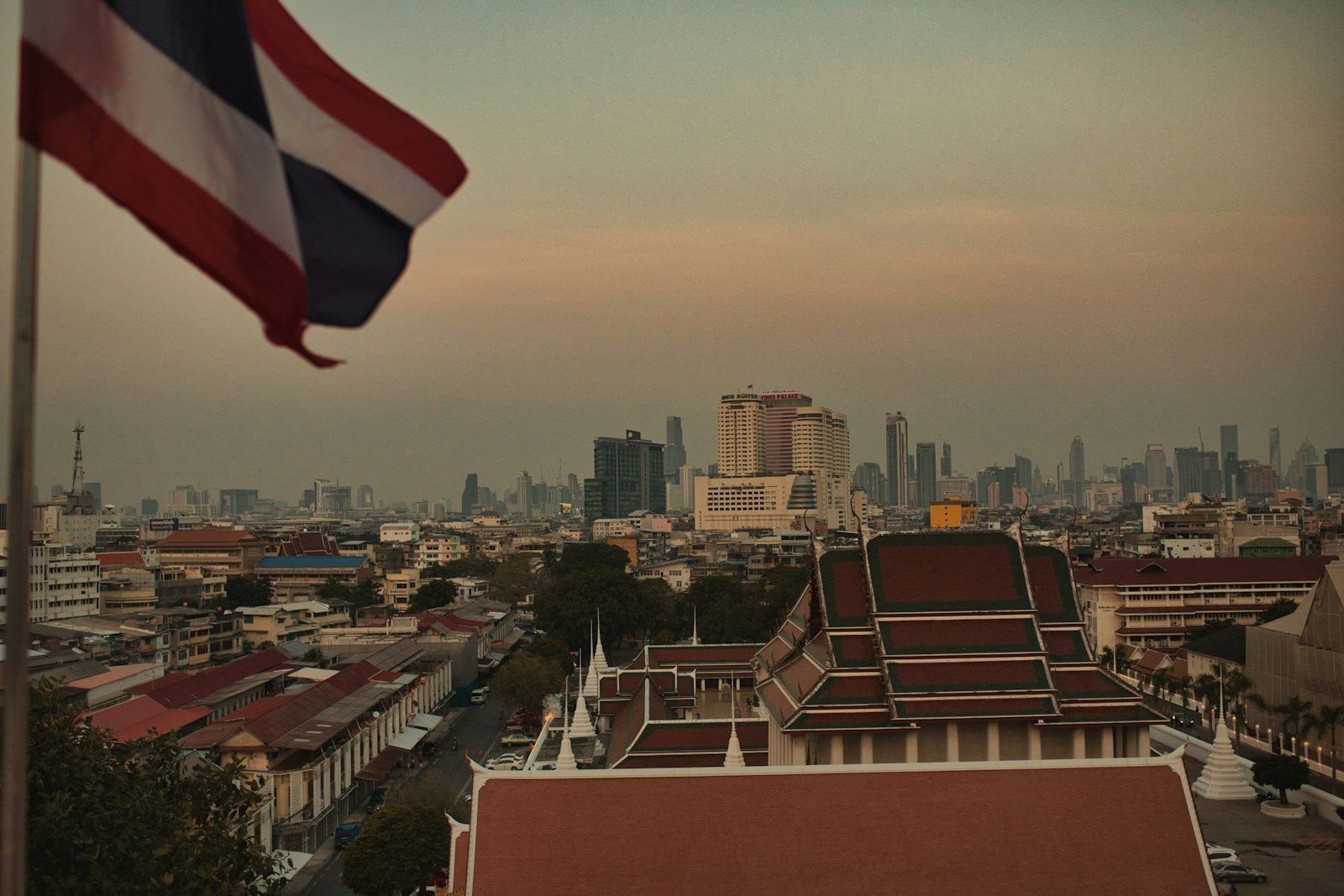
A visa-exempt entry can be extended once by 30 days at a local immigration office for 1,900 baht, so the practical visa-free maximum for most people in 2026 is around 60 days per entry. The US State Department confirms that no visa is required for stays under the exempt limit but that pre-arrival online registration is required.
The single-entry Tourist Visa (TR): 60 days, extendable to 90
If you want longer than the visa-free stamp, the standard route is a single-entry Tourist Visa, known as the TR. Applied for in advance through the Thai e-Visa system or a consulate, it grants up to 60 days per entry. The Royal Thai Embassy in London confirms a single-entry tourist visa is valid for three months from issue, meaning you must enter within three months, after which your 60-day stay begins.
Once you are in Thailand on a TR, you can extend it once by 30 days at any immigration office, bringing a single visit to a maximum of 90 continuous days. The extension costs 1,900 baht, and you apply near the end of your 60 days with your passport, a photo, the TM7 form and a small fee. This 90-day ceiling is the answer most people are really looking for when they ask about the maximum stay on a tourist visa.
The TR is a good fit for a long holiday, a snowbird season, or someone testing out life in Phuket before committing to a longer-stay visa. If 90 days is not enough, you are into either a multiple-entry visa or a different visa category entirely, both covered below. It also pairs naturally with planning your trip around the best time to visit Phuket.
The multiple-entry Tourist Visa (METV): six months of flexibility
The multiple-entry Tourist Visa, or METV, is the longest tourist option. It is valid for six months and allows unlimited entries, with each individual stay capped at 60 days and each extendable by 30. You cannot sit in Thailand continuously for six months on it, but you can come and go, and with well-timed entries and extensions you can be present in Thailand for the large majority of its validity.
In practice a METV works like this: enter for up to 60 days, extend by 30 if you want, then before your stay ends hop to a neighbouring country and re-enter for a fresh 60-day stay, repeating within the six-month window. Each re-entry must happen while the visa is still valid. It suits people doing a long regional trip or splitting time between Thailand and nearby countries.
The METV needs more documentation than a single-entry visa, typically including proof of funds and stronger evidence of your travel plans, and not every Thai embassy issues it to every nationality. It is the most flexible tourist route, but once you are chaining entries to live in Thailand semi-permanently, a purpose-built long-stay visa is usually cheaper and less stressful than repeated border trips.
Stacking stays: how long can you really stay?
By combining a visa-free entry, a tourist visa and extensions, many visitors legally stay four to six months at a stretch, though each leg has its own limit and border scrutiny has tightened in 2026. There is no single stamp longer than 90 days, so any longer stay involves either leaving and re-entering or holding a multiple-entry visa.
The table below shows the common tourist stay lengths in 2026.
| Route | Stay per entry | Extension | Max per entry |
|---|---|---|---|
| Visa exemption (most nationalities, 2026) | 30 days | plus 30 days | 60 days |
| Single-entry Tourist Visa (TR) | 60 days | plus 30 days | 90 days |
| Multiple-entry Tourist Visa (METV) | 60 days per entry | plus 30 days each | 90 days per entry, 6-month validity |
A frequently shared sequence is to arrive visa-exempt, then apply in-country for a 60-day TR before the first stamp ends, extend that, and only then leave, which can total well over 120 days. These combinations are legal, but immigration officers have discretion, and Thailand has signalled it will limit repeat visa-exempt entries. Do not treat back-to-back tourist stays as a guaranteed path to living here.
Extending your tourist stay: the 30-day extension
Almost every tourist stay in Thailand can be extended once by 30 days, and it is a routine, same-day process at any immigration office. Whether you entered visa-free or on a TR, you visit immigration before your current permission ends, submit the TM7 extension form, a passport photo and a copy of your passport, and pay 1,900 baht. The 30 days are added to your existing stay, not started fresh.
Key points that catch people out:
- Apply before you overstay. Go a few days before your stamp expires, not after. An expired stamp is an overstay, not an extension.
- One extension per entry. Tourist extensions are generally a single 30-day grant, not repeatable on the same stamp.
- Bring the right documents. Passport, the TM7 form, a photo and the fee. Some offices ask for a departure card or proof of accommodation.
The extension is the simplest way to turn a 30-day visa-free entry into 60 days, or a 60-day TR into 90. Beyond that single extension, you are back to leaving the country or switching visa type.
Visa runs and border bounces: still possible, more scrutinised
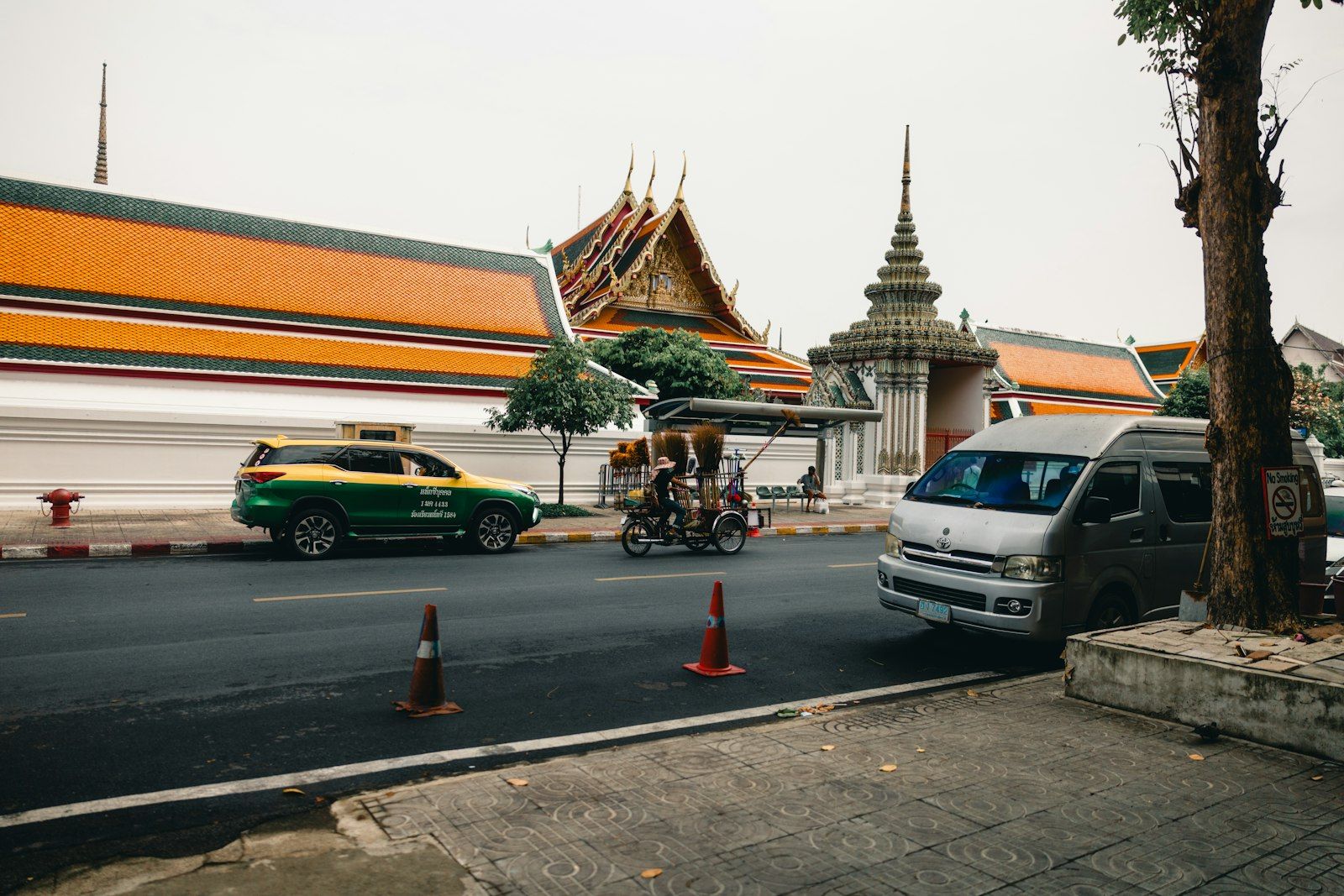
A visa run means leaving Thailand and re-entering to obtain a fresh entry stamp, and while it still works, it is no longer the reliable long-term tactic it once was. Air arrivals generally face fewer questions than land-border crossings, where Thailand has tightened rules on repeat visa-exempt entries. Reports in 2026 point to visitors being limited to roughly two visa-exempt entries per calendar year by land, with officers free to refuse entry to anyone who appears to be living in Thailand on tourist stamps.
If you hold a multiple-entry Tourist Visa, re-entering is straightforward within the visa's six-month validity. If you are relying on visa-exempt stamps, expect more questions each time, and carry evidence of onward travel and funds. The honest takeaway is that repeated border bounces are a short-term bridge, not a residence strategy, and the government's direction of travel is to close that gap.
Entry requirements to have ready at the border
Your maximum stay only matters if you are let in, and Thai immigration can and does check that tourists meet the basic entry conditions. Whatever route you use, arrive with the following ready, because a missing item can shorten your stay or cost you entry.
- A passport valid for at least six months beyond your arrival date, with blank pages for stamps.
- The Thailand Digital Arrival Card (TDAC), completed online in the days before you travel. This pre-arrival registration is now required and replaces the old paper arrival card.
- Proof of onward or return travel out of Thailand within your permitted stay. Airlines and immigration both ask for this, and a one-way ticket is a common reason for problems.
- Proof of funds if requested, historically framed as around 20,000 baht per person or 40,000 per family, in cash or accessible funds.
- An address in Thailand for your first nights, such as a hotel booking.
These checks are applied unevenly, and many visitors are waved through, but they are the rules on paper and enforcement has tightened alongside the 2026 visa-free changes. Having everything ready removes the single biggest avoidable risk to your planned stay, especially on repeat entries where officers look more closely.
The 180-day line: when a long stay has tax consequences
Spend 180 days or more in Thailand in a calendar year and you become a Thai tax resident, which is a separate issue from your visa but one long-stay tourists must understand. Tax residency is a simple physical-presence count and does not depend on your visa type, so someone stacking tourist stays across most of a year can cross it without realising.
Being a tax resident does not automatically mean a Thai tax bill, because Thailand taxes foreign income only when it is remitted into the country, and double tax agreements often prevent the same income being taxed twice. But it can create a filing obligation. If you are planning to stay close to or beyond half the year, read our guide to Thailand foreign income tax before you cross the line, and note that long-stay visa holders also have a separate 90-day reporting address obligation.
What happens if you overstay your tourist visa?
Overstaying is treated seriously and gets more costly the longer it runs. The fine is 500 baht per day, capped at 20,000 baht, payable when you leave or when caught. A short accidental overstay of a day or two is usually just the fine at the airport, but a deliberate or lengthy overstay carries far worse consequences.
Longer overstays can lead to detention, deportation at your own expense, and a re-entry ban: broadly, being caught overstaying can trigger bans of one to ten years depending on the length and whether you turned yourself in. An overstay also shows on your record and can make future entries harder. The rule is simple: never let a stamp lapse. If you are close to your limit, extend, leave, or switch to a proper long-stay visa rather than gambling on an overstay.
When you need a different visa instead
Once your genuine plan is to stay in Thailand for many months or to live here, a tourist route is the wrong tool and a purpose-built visa is cheaper, calmer and fully legal. Thailand now offers several long-stay options, and the right one depends on why you are here.
- Remote workers and long-stay visitors should look at the Destination Thailand Visa (DTV), a five-year multiple-entry visa allowing 180 days per stay.
- Over-50s are best served by the Thailand retirement visa, a renewable one-year stay.
- Higher-income retirees and professionals may prefer the ten-year LTR visa or the membership-based Privilege (Elite) visa.
- Students can use the education visa, and anyone taking a job needs a Non-B visa and work permit.
Choosing early saves the stress of repeated border runs and the risk of a refused entry. If you are still exploring, our practical guides on settling in, including the cost of living in Phuket, help you plan a longer stay properly, or you can simply explore Phuket first.
Frequently asked questions
What is the longest you can stay in Thailand on a tourist visa?
On a single applied-for tourist visa (TR) you can stay up to 90 days: 60 days on entry plus one 30-day extension. Visa-free entry in 2026 gives most nationalities 30 days plus a 30-day extension, so up to 60 days. Longer stays require a multiple-entry visa or a different visa type.
How long can you stay in Thailand without a visa in 2026?
Most nationalities get a 30-day visa-exempt stamp on arrival in 2026, reduced from the 60 days offered in 2024. It can be extended once by 30 days at immigration for 1,900 baht, giving up to 60 days. Confirm your own passport's current allowance, as it varies by nationality and by air or land entry.
How many times can I enter Thailand on a tourist visa per year?
A multiple-entry Tourist Visa lets you enter as often as you like within its six-month validity, each stay up to 60 days. Visa-exempt entries are more limited: Thailand has moved to cap repeat visa-free entries, with land-border crossings especially restricted to roughly two per calendar year. There is no fixed annual cap on proper tourist visas.
Can I stay 6 months in Thailand as a tourist?
Not on one stamp, but yes across a multiple-entry Tourist Visa, which is valid six months and allows repeated 60-day stays with extensions. You would leave and re-enter within its validity. To stay six months continuously you need a long-stay visa such as the DTV rather than a tourist route.
How do I extend my tourist visa in Thailand?
Visit any immigration office before your current stay ends with your passport, a photo, the TM7 form and 1,900 baht. The 30-day extension is usually granted the same day. Apply a few days early, never after your stamp has expired, and expect one extension per entry for tourist stays.
What happens if I overstay my tourist visa?
You pay 500 baht per day, capped at 20,000 baht, when you leave or are caught. Short overstays are usually just the fine, but longer or repeated overstays can mean detention, deportation and re-entry bans of one to ten years. Always extend or leave rather than overstay.
Do visa runs still work in Thailand?
They still work but are more scrutinised in 2026, especially at land borders, where repeat visa-exempt entries are being limited. Air arrivals face fewer questions. A visa run is a short-term bridge between plans, not a reliable way to live in Thailand long term.
Does staying a long time as a tourist affect my taxes?
Yes, potentially. Spending 180 days or more in a calendar year makes you a Thai tax resident regardless of visa type. That does not always mean a tax bill, because Thailand taxes only foreign income remitted into the country and treaties often apply, but it can create a filing duty. See our Thailand foreign income tax guide.
What is the longest a US citizen can stay in Thailand?
A US citizen faces the same tourist limits as most nationalities: 30 days visa-free plus a 30-day extension, or a 60-day TR plus a 30-day extension for up to 90 days. For longer stays, the DTV, retirement or LTR visas are the route, and a special long-stay visa category can allow up to 180 days per visit.
Sources
- Thailand e-Visa Official (Ministry of Foreign Affairs)
- Royal Thai Embassy London, Tourist Visa
- Royal Thai Consulate-General Los Angeles, Visa Information
- U.S. Embassy in Thailand, Thai Visas for Americans
- U.S. Department of State, Thailand International Travel Information
- BBC News, Thailand cuts visa-free stay period
Related Thailand visa guides
| Guide | Best for |
|---|---|
| Thailand tourist visa guide | The full application process and requirements |
| Destination Thailand Visa (DTV) | Remote workers wanting 180 days per stay |
| Thailand retirement visa | Over-50s settling long term |
| LTR visa | Higher-income retirees and professionals |
| Thailand foreign income tax | Anyone crossing the 180-day residency line |
About this guide
This guide was researched and written by the Thailand Stuff editorial team, who live in and cover Phuket. We check visa details against official Thai government, embassy and consulate sources and reputable reporting, and we review the guide regularly because Thai entry rules change often. Immigration is a rules-heavy area, so a clear caveat applies: we are not immigration lawyers or agents, and this is general information rather than professional advice. Allowances vary by nationality and change at short notice, and 2026 has seen live adjustments to visa-free entry. For your own trip, confirm the current rules with an official Thai e-Visa or embassy source before you travel or rely on an extension.
Keep reading
 News
NewsA Thai senator has proposed letting foreigners own 100% of a business in Thailand to end the nominee system. Here is what was said and what it could mean.
 Practical
The honest 2026 answer: most Thai banks reject DTV visa holders for new accounts. Why it happens, what does not work, and the real alternatives that do.
 Practical
How do tourists pay in Thailand? Compare Wise and home cards, the KBank prepaid Visa card, cash and ATM fees, honestly, with no Thai bank account needed.