
Is weed legal in Thailand: cannabis rules for tourists in 2026
Weed in Thailand is medical-only in 2026: legal with a Thai prescription, illegal recreationally. Here are the rules, penalties and what tourists can do.
Thailand Stuff Editorial Team
Researched and fact-checked against on-the-ground prices and reputable data · 7 Aug 2026 · 19 min read

Is weed legal in Thailand: cannabis rules for tourists in 2026
If you are asking whether weed is legal in Thailand in 2026, the honest short answer is: it is complicated, and it has changed a lot. Cannabis is not fully illegal, and it has not been pushed back onto the hard narcotics list. It is also not the freely recreational, buy-it-on-any-corner scene that made headlines in 2022 and 2023. Today cannabis in Thailand is medical-only and prescription-controlled, which means the plant is legal to use and buy in a narrow, regulated way and off-limits for casual recreational use. This guide walks through exactly what that means for tourists and expats, how the rules got here, what the penalties look like, and how to stay on the right side of a law that is still in flux.
A quick disclaimer before we start: cannabis law in Thailand has changed repeatedly and remains a moving target. This is general information, not legal advice. Rules, enforcement and paperwork can shift with little notice, so confirm the current position with an official source or a qualified Thai lawyer before you travel or use anything. We do not encourage cannabis use, and nothing here is a workaround for the law.
Is weed legal in Thailand right now?
Weed is legal in Thailand in 2026 only for medical use with a valid Thai prescription, and it is not legal for recreational use. Cannabis flower is classified as a "controlled herb" rather than a narcotic, so buying, possessing or using it without the right medical documentation is an offence, while a licensed patient with a prescription can obtain it legally through approved channels. In practice that is a big step back from the wide-open market of a few years ago, but it is not a return to the days when any amount of cannabis was treated like a serious drug.
The distinction matters. Because cannabis was not returned to narcotic status when the rules tightened in 2025, the extreme penalties people associate with hard-drug offences do not automatically apply to a small amount of cannabis. But the "grey area" that let dispensaries sell to walk-in tourists has closed. If you cannot show a prescription, you are on the wrong side of the line.
What "medical-only" actually means in 2026
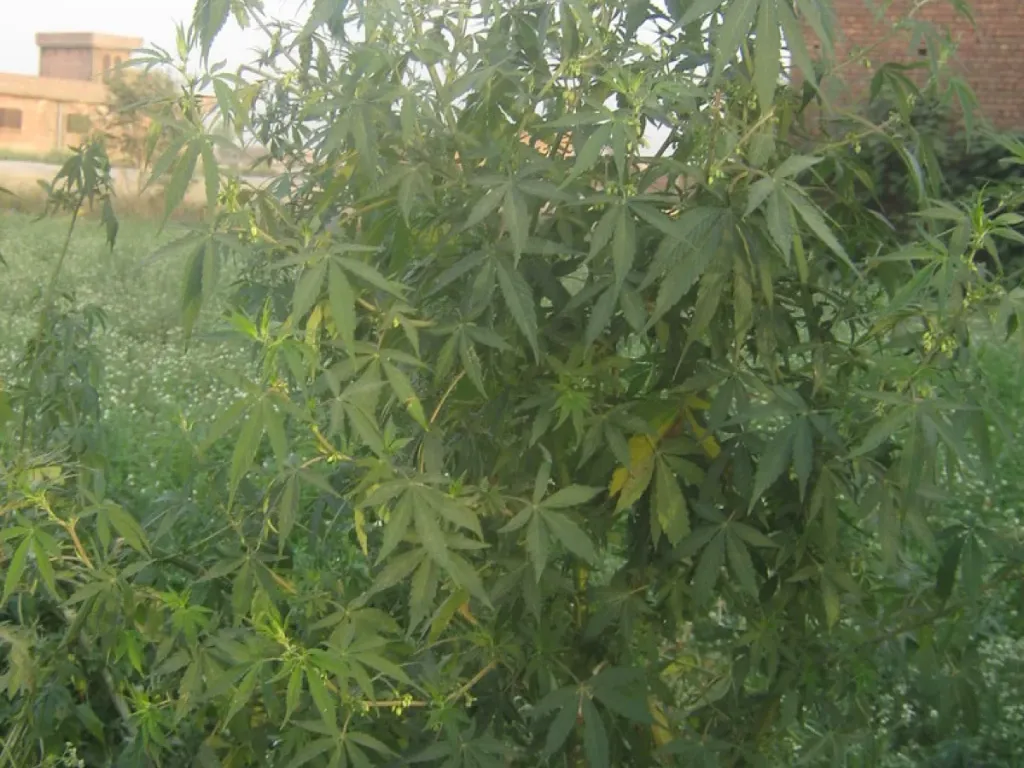
Medical-only means cannabis is legal as a treatment prescribed by a certified practitioner, not as a lifestyle product you can pick up at will. Since the reclassification took effect in late June 2025, cannabis flower is a controlled herb under Thailand's traditional-medicine framework, and a buyer needs a prescription from a licensed practitioner, valid for no more than 30 days, to obtain it legally. Dispensaries are expected to operate under medical supervision rather than as ordinary shops.
Flower, extracts and CBD are treated differently
Not every cannabis product sits in the same bucket, which is a common source of confusion. Cannabis flower (the bud) is the most tightly controlled and needs a prescription. High-strength extracts are also restricted. Low-strength CBD and hemp products sit under lighter rules, provided they stay under the legal THC threshold. Thailand generally treats extracts and products with more than 0.2% THC as the controlled category, while finished products below that line are handled as wellness or consumer goods. We cover CBD in detail further down.
The same "in flux" energy applies to more than cannabis. If you are trying to understand any fast-moving Thai rule, it helps to see how the country handles other contested products, such as vaping rules in Thailand or the way it treats how the Starlink import rules work. In each case the plant, device or product exists in a legal space that officials keep re-drawing.
What is and isn't allowed: cannabis in Thailand at a glance
Here is the quick version of what the 2026 rules permit and prohibit for a typical visitor. Treat it as a starting point, not a guarantee, because enforcement varies and the detail keeps changing.
| Activity | Status in 2026 |
|---|---|
| Buying cannabis flower with a valid Thai prescription | Allowed, through a licensed clinic or pharmacy |
| Buying cannabis flower recreationally, without a prescription | Not allowed |
| Buying from an unlicensed shop or street seller | Not allowed, illegal supply |
| Smoking cannabis in public (streets, beaches, parks) | Not allowed, treated as a public nuisance |
| Smoking cannabis in a hotel or on private premises | Usually banned by the venue, and public-nuisance rules can still apply |
| Using prescribed cannabis for a qualifying medical condition | Allowed within the terms of the prescription |
| Low-THC CBD and hemp products under 0.2% THC | Generally allowed as consumer goods |
| Carrying cannabis in or out of Thailand across a border | Not allowed, serious offence |
How Thailand's cannabis law changed: 2018 to 2026
Thailand's cannabis story is a fast round-trip from strict prohibition to Asia's most open market and back to tight medical control. Understanding the timeline is the easiest way to make sense of the mixed messages you will read online, because a lot of older articles describe a legal reality that no longer exists.
| Date | What happened |
|---|---|
| 2018 | Thailand legalises medical cannabis, the first country in Southeast Asia to do so |
| June 2022 | Cannabis is removed from the narcotics schedule, decriminalising the plant and opening a booming market |
| 2022 to 2024 | Thousands of dispensaries open; the market grows with little regulation and public concern rises |
| Late June 2025 | Cannabis flower is reclassified as a "controlled herb"; recreational sales end and a prescription becomes mandatory |
| April 2026 | A further ministerial regulation tightens licensing for high-THC extracts and flower retail |
The pivotal moment was June 2022, when Thailand removed cannabis from its narcotics list, effectively decriminalising the plant almost overnight and creating a market that many observers called the freest in Asia. Regulation never fully caught up, and by 2025 the government moved to rein it in. On 26 June 2025 cannabis flower was designated a controlled herb under the Protection and Promotion of Thai Traditional Medicine Knowledge Act, restricting it to medical use. Reporting at the time described the change as a recreational ban that left the industry in limbo.
The tightening continued into 2026. A new ministerial regulation, published in the Royal Gazette on 30 April 2026, layered stricter, cannabis-flower-specific requirements on top of the general controlled-herb licence and limited eligible premises to medical facilities, pharmacies and traditional-medicine practitioners. The direction of travel is clear: cannabis retail is being pushed toward a clinic model.
Can tourists buy weed in Thailand?
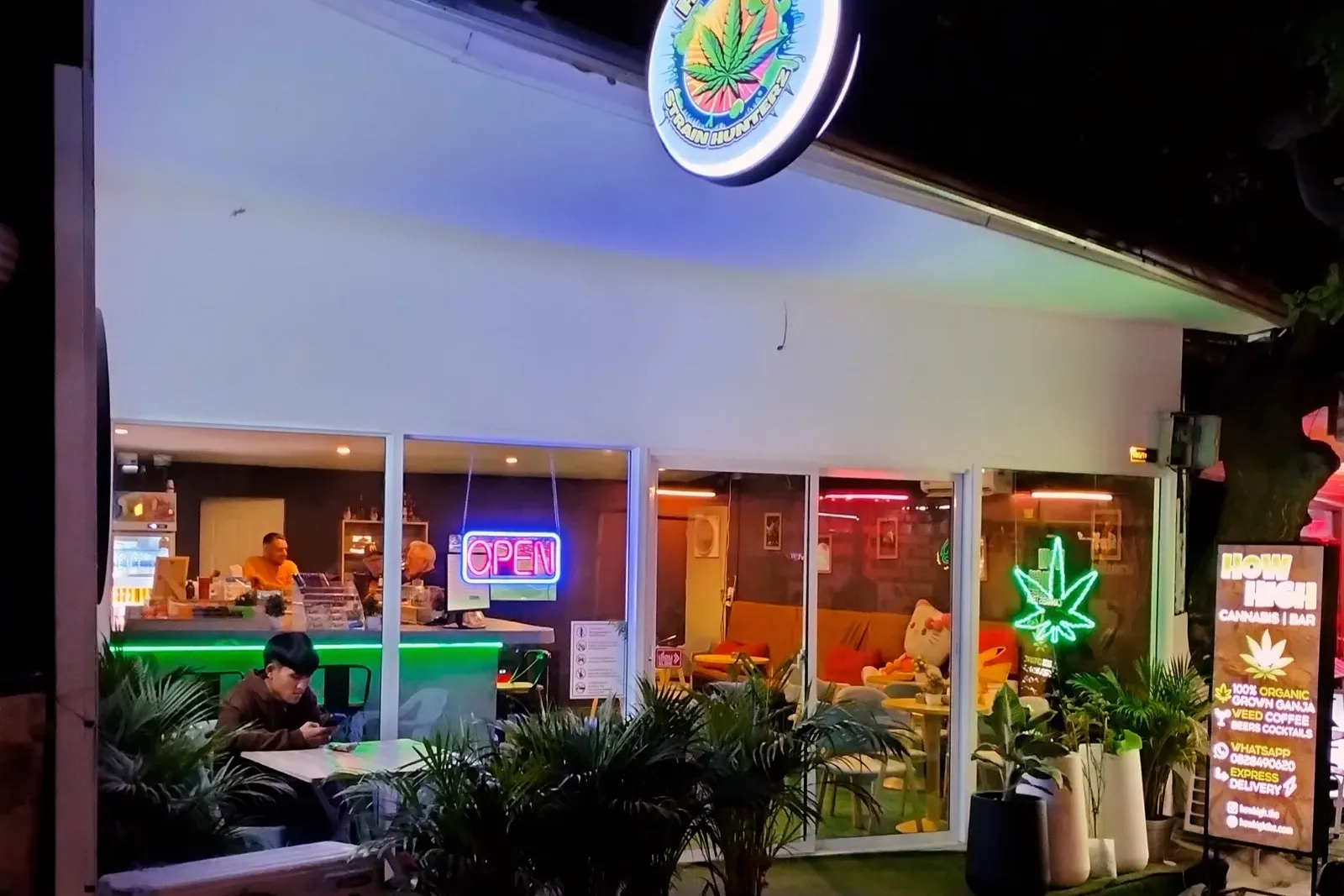
Tourists cannot legally buy recreational weed in Thailand in 2026, but a tourist who qualifies as a patient can obtain cannabis through the medical route. The casual purchase that was normal in 2023, walking into a shop and buying flower over the counter, is no longer legal. Now, both tourists and locals need a doctor's certificate to buy cannabis buds, and anything sold outside that channel is illegal supply.
That is a real change in how the market works day to day. Many shops that once sold to any walk-in customer have either closed or shifted to a prescription-first model, and buying from an unlicensed seller or a street stall carries legal risk for the buyer as well as the seller. If a shop offers to sell you flower with no questions asked, treat that as a warning sign rather than a convenience.
If you are visiting on a standard entry, it is worth understanding the basics of your stay first, from the Thailand tourist visa and exemption rules to the maximum stay on a tourist visa, because your immigration status is separate from, and unaffected by, any cannabis question. A visa does not grant any right to buy or use cannabis.
How the medical prescription route works for foreigners
The legal way for a visitor to access cannabis is a prescription from a certified Thai practitioner after a genuine medical consultation. In practice that means visiting a licensed clinic or a dispensary that operates under medical supervision, describing a qualifying condition, and receiving a prescription that is valid for a limited period, typically up to 30 days. Some clinics advertise same-day consultations, but the consultation has to be real, and the prescription is tied to your medical need rather than a blanket permit to buy.
A few practical points follow from this. First, the prescription is what makes possession legal, so keep it with you along with the product's original packaging. Second, the supply is capped, so this is not a route to stockpiling. Third, the qualifying conditions are medical, and the certified practitioner decides, not the customer. If you already manage a condition with cannabis at home, it makes sense to understand how the Thai health system works more broadly, including health insurance for expats, since medical cannabis is handled as healthcare here, not as retail.
Can you smoke weed in public, bars or your hotel?
No, smoking cannabis in public is not allowed in Thailand, and most hotels and bars ban it on their premises too. Cannabis smoke is treated as a public nuisance and is prohibited in public areas under long-standing public-health rules, which means streets, beaches, parks and other shared spaces are off-limits regardless of whether you hold a prescription. A prescription covers medical use, not lighting up wherever you like.
Hotels almost universally prohibit cannabis use in rooms and common areas, and many are explicit that offenders can face penalties on top of the venue's own rules. Bars and entertainment venues follow the same logic. The safe assumption is that there is no legal place to smoke cannabis recreationally in public in Thailand, and that includes tourist hotspots. If you are spending time somewhere like Patong Beach, do not assume a relaxed holiday atmosphere means relaxed enforcement.
It is worth remembering that Thailand regulates other everyday habits more tightly than visitors expect. The country enforces the alcohol sales ban on Buddhist holy days, for example, which surprises plenty of tourists. Cannabis sits in the same category of "regulated more than you think."
Penalties: fines and what happens if you get caught
Penalties for cannabis offences vary widely depending on what you did, and the figures reported publicly should be read as ranges rather than fixed tariffs. For public consumption or unprescribed possession of flower, reported outcomes cluster around fines of up to roughly 25,000 baht and, in some cases, up to about three months' imprisonment, drawing on public-nuisance and public-health provisions. Some travellers have reported on-the-spot fines in the region of 25,000 baht for smoking in public. Because cannabis flower is a controlled herb rather than a narcotic, these are not the life-sentence-level penalties that apply to serious hard-drug trafficking.
Crossing a border with cannabis is a completely different and far more serious matter. Taking cannabis out of Thailand is a criminal offence, and the U.S. Embassy has warned that violators can face up to 10 years in prison and a fine of up to 500,000 baht, or both. Do not pack cannabis in your luggage, do not post it, and do not assume a small amount is fine. If you are ever stopped or searched, it helps to know your rights if the police search you in Thailand.
Two practical warnings. First, exact penalties are set by specific provisions and can change, so do not rely on a single figure you read in a forum; the numbers above are indicative of what has been reported, not a promise of how any case will be handled. Second, foreigners have no special leniency. A prescription, kept on you, is the single most important thing standing between legal medical use and an offence.
Is CBD, hemp and edibles legal in Thailand?
CBD and low-THC hemp products are generally legal in Thailand as consumer goods, provided they contain less than 0.2% THC and comply with Thai Food and Drug Administration rules. That covers a lot of the CBD oils, cosmetics and wellness items you will see in pharmacies and shops. The key line is the THC content: once a product exceeds the 0.2% threshold it is treated as the controlled category and needs a prescription, the same as flower.
Edibles and cannabis-infused drinks follow the same logic. A drink or gummy that stays under the THC threshold is handled as an ordinary consumer product, while anything higher in THC is restricted. The Thai FDA is the authority that registers and regulates these products, and reputable retailers should be able to show that their items are compliant. If a product is not clearly labelled or lab-tested, treat that as a reason to skip it. Bringing your own CBD into the country is a grey area, so if you rely on a specific product it is safer to confirm the current import position before you fly rather than risk it at the airport.
Where the rules apply: Phuket, Bangkok, Chiang Mai and the islands
The cannabis rules are national, so the same medical-only framework applies in Phuket, Bangkok, Chiang Mai, Pattaya and the islands alike. What differs is the practical picture on the ground: how many licensed clinics operate nearby, how visible dispensaries still are, and how actively local authorities enforce the public-use rules. Big tourist centres saw the most dispensaries during the boom, and they have also seen many close as the rules tightened.
For visitors, the takeaway is that a beach town is not a legal exception. Whether you are getting around on the roads (our guide to getting around Phuket covers the transport basics) or arriving fresh from the airport (see getting from Phuket airport to Patong), the same national law travels with you. Local enforcement can be stricter or more relaxed than you expect, and you cannot rely on either.
What the crackdown means on the ground
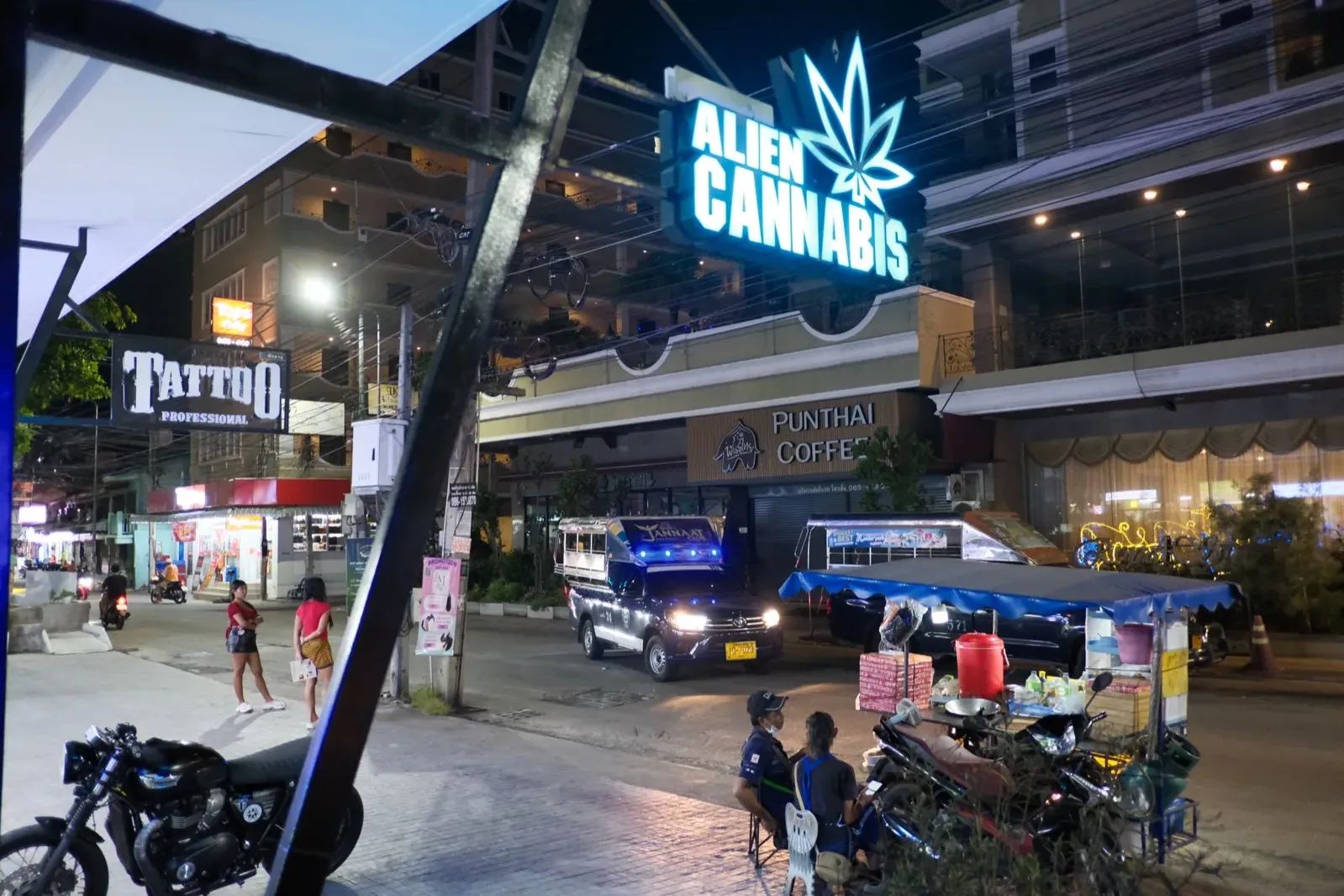
The shift to medical-only has visibly shrunk Thailand's cannabis retail scene. Health-ministry data recorded 18,433 cannabis shops nationwide in late 2025, with 7,297 choosing to close rather than renew their licences under the stricter rules, leaving roughly 11,000 still operating. The wider policy is to move the industry away from the "wild west" of 2022 toward a clinic-style model, and the government has continued to tighten the sales rules for cannabis.
For a traveller, that means the cannabis retail you may have read about in older articles is thinner and more medicalised than it was. Shops that remain are increasingly expected to work like clinics or pharmacies, with prescriptions, licensed staff and record-keeping. The remaining market is real, but it is built around medical access, not tourism.
Practical advice for travellers and expats
The simplest way to stay legal is to treat cannabis in Thailand as a prescription medicine, not a holiday activity. If you do not have a genuine medical need and a valid Thai prescription, the low-risk choice is to leave it alone entirely. If you do use it medically, a few habits keep you safe.
- Do not buy on the street. Unlicensed sellers and no-questions-asked shops are illegal supply, and buying from them puts you at risk too.
- Keep your prescription and packaging. If you have a valid prescription, carry it with the product in its original packaging so you can show your status if asked.
- Never smoke in public. Streets, beaches, parks, bars and hotel rooms are not legal places to smoke cannabis, and fines apply.
- Do not cross a border with it. Taking cannabis in or out of Thailand is a serious criminal offence with heavy penalties.
- Check CBD labels. Stick to clearly labelled, compliant low-THC products if you want CBD.
Because the law is still moving, verify the current rules before you travel and, if your situation is complicated, get advice from a qualified Thai lawyer rather than relying on a forum post. For the rest of your trip planning, our guides on the cost of living in Phuket and the best time to visit Phuket will be far more useful than any cannabis shortcut. The table below points to related guides worth reading before you go.
| Related guide | Why it helps |
|---|---|
| Is vaping illegal in Thailand | Another product in a legal grey zone, with real fines |
| Your rights if the police search you | What to do if you are stopped or searched |
| No alcohol sales on Buddhist holy days | How Thailand regulates everyday habits tourists overlook |
| Thailand foreign income tax | Essential reading if you are moving to Thailand long term |
So, is weed legal in Thailand? The bottom line
To close the loop on the original question: weed is legal in Thailand in 2026, but only as a prescription-controlled medicine, and it is not legal recreationally. Cannabis flower is a controlled herb, not a narcotic, so the plant sits in a regulated middle ground rather than being either freely available or fully banned. Tourists cannot buy recreational weed, public smoking is an offence, carrying it across a border is serious, and the safest path for anyone without a genuine medical prescription is simply not to use it. Because the rules keep changing, check the latest official guidance before you rely on anything in this guide.
Frequently asked questions
Is weed legal in Thailand?
Weed is legal in Thailand in 2026 only for medical use with a valid Thai prescription. Recreational use, and buying cannabis flower without a prescription, is not legal. Cannabis flower is a controlled herb rather than a narcotic, so it sits in a regulated middle ground, not a full ban and not free recreational access.
Can tourists buy weed in Thailand?
Tourists cannot buy recreational weed in Thailand. A tourist who qualifies as a patient can get cannabis through the medical route, by consulting a certified practitioner and receiving a prescription. Buying flower from an unlicensed shop or a street seller is illegal supply and carries legal risk for the buyer as well.
Can you smoke weed in Thailand?
You cannot smoke weed in public in Thailand. Cannabis smoke is treated as a public nuisance and is prohibited in streets, beaches, parks and other shared spaces, and hotels and bars typically ban it too. A medical prescription covers legal use of the product, not public smoking.
What happens if you get caught with weed in Thailand?
Reported penalties for public use or unprescribed possession of flower cluster around fines of up to roughly 25,000 baht and, in some cases, up to about three months' imprisonment. These are indicative ranges, not fixed tariffs. Carrying cannabis across a border is far more serious and can bring years in prison.
Is CBD legal in Thailand?
CBD is generally legal in Thailand as a consumer product if it contains less than 0.2% THC and complies with Thai FDA rules. You can find compliant CBD oils and wellness items in pharmacies and shops. Products above the THC threshold are treated as the controlled category and need a prescription.
Are edibles legal in Thailand for tourists?
Edibles and infused drinks are legal in Thailand only if they stay under the 0.2% THC threshold and are properly registered. Anything higher in THC is restricted and needs a prescription. Stick to clearly labelled, lab-tested products from reputable retailers, and skip anything that is unlabelled or sold informally.
Do you need a prescription to buy weed in Thailand?
Yes. Since June 2025 a prescription from a certified Thai practitioner, valid for up to 30 days, is required to buy cannabis flower legally. The prescription follows a genuine medical consultation for a qualifying condition. Without it, purchase and possession of flower are offences, even in a licensed shop.
Is weed legal in Phuket?
The rules in Phuket are the same as the rest of Thailand: medical-only, prescription-controlled, no recreational purchase and no public smoking. A beach destination is not a legal exception. Local enforcement of public-use rules can be stricter or more relaxed than you expect, so you cannot rely on a relaxed atmosphere.
Can you take cannabis out of Thailand?
No. Taking cannabis in or out of Thailand is a serious criminal offence. Authorities have warned that offenders can face up to 10 years in prison and fines up to 500,000 baht. Do not pack it in luggage, post it, or assume a small amount is acceptable, regardless of the rules in your home country.
Sources
- Legal500: Thailand's Legal Reversal on Cannabis: Restriction to Medical Use Only
- Juslaws: New Thailand Cannabis Law, Ministerial Regulation No. 2 B.E. 2569 (30 April 2026)
- CNN: Thailand was the first country in Asia to legalize marijuana
- The Guardian: Thailand's flip on recreational cannabis
- Forbes: Thailand Closes The Door On Recreational Cannabis
- The Nation: Over 7,000 cannabis shops close as rules tighten
- Bangkok Post: Thailand tightens sales rules for cannabis
- U.S. Embassy Thailand: Official Updates on Cannabis Regulations
- Wikipedia: Cannabis in Thailand
- Thai Food and Drug Administration
About this guide
This guide was researched and written by the Thailand Stuff editorial team, which lives in and covers Phuket. We fact-check our guides against official sources and reputable reporting, and we review them regularly to keep the figures current; this article was last reviewed on 7 August 2026. Thailand Stuff is not a law firm and this is general information, not legal advice. Thailand's cannabis law has changed repeatedly and remains in flux, so confirm the current rules with an official source such as the Thai Food and Drug Administration or the U.S. Embassy Thailand notice, and consult a qualified Thai lawyer for anything complex or high-stakes before you travel or use cannabis.
Keep reading
 News
NewsA Thai senator has proposed letting foreigners own 100% of a business in Thailand to end the nominee system. Here is what was said and what it could mean.
 Practical
The honest 2026 answer: most Thai banks reject DTV visa holders for new accounts. Why it happens, what does not work, and the real alternatives that do.
 Practical
How do tourists pay in Thailand? Compare Wise and home cards, the KBank prepaid Visa card, cash and ATM fees, honestly, with no Thai bank account needed.