
Buying a condo in Thailand as a foreigner 2026: costs, legal rules and the process
How foreigners can legally buy a freehold condo in Thailand in 2026: the 49% foreign quota, the FET form, transfer fees and taxes, and leasehold vs freehold.
Thailand Stuff Editorial Team
Researched and fact-checked against on-the-ground prices and reputable data · 5 Aug 2026 · 21 min read

Buying a condo in Thailand as a foreigner 2026: costs, legal rules and the process
Yes, a foreigner can legally own a condo in Thailand outright, in their own name, forever. That surprises a lot of people who have heard that foreigners cannot own property here, and both statements are true at once. You cannot own the land, but you can own the condominium unit itself as full foreign freehold. Buying a condo in Thailand is the cleanest, safest and most popular way for expats, retirees and overseas investors to own a home in the country, as long as you understand the 49 percent foreign quota, bring your money in the correct way, and do proper due diligence. This 2026 guide walks through the legal rules, the buying process step by step, the real costs and taxes, the leasehold versus freehold decision, off-plan risks and the extra things to check in Phuket. One note before we start: property law is complex and changes, so always use an independent lawyer and do your own due diligence. This is general information, not legal or financial advice.
Can foreigners legally buy property in Thailand?
Foreigners can legally buy and own a condominium unit in Thailand, but they cannot own land. That single distinction explains almost everything about property here. A condo unit is treated as a separate piece of property that sits inside a registered condominium building, so you can hold the title to your unit even though you cannot hold the title to the ground the building stands on. Houses and villas are the opposite way round, because they come with land, which is why they usually involve leases or company structures instead.
The right to own a condo comes from the Thailand Condominium Act, which specifically allows non-Thais to own units in a registered condominium subject to conditions. Your nationality does not change the answer. A US citizen, a British citizen, an Australian, a German and a Singaporean are all treated the same way under the Act. So when people ask whether an American can buy a condo in Thailand, the answer is a straightforward yes, on exactly the same terms as everyone else.
Land versus building versus condo
It helps to separate three things. Land is the one thing foreigners essentially cannot own directly. A building or structure, such as a villa, can be owned by a foreigner even when the land underneath is leased. A condominium unit is the special case the law carves out, where you get genuine freehold ownership of the unit and a share of the common areas. This is why "foreign freehold" is the phrase you will see again and again in condo listings, and why a condo is the default recommendation for anyone who wants their name on a real title deed.
The 49 percent foreign quota explained
Every condominium building in Thailand is subject to a foreign ownership limit: no more than 49 percent of the total floor area of all the units combined can be owned by foreigners. The remaining 51 percent must be Thai-owned. This is often shortened to the "49 percent foreign quota" and it is the single most important thing to check before you fall in love with a specific unit.
The quota is measured by floor area across the whole building, not by the number of units, and it is tracked by the building's juristic person (the management entity). In a popular project the foreign quota can sell out while Thai-quota units are still available, so two identical apartments in the same building can have very different prices and legal status depending on which quota they sit in. Foreign-freehold units usually command a premium precisely because they are limited.
If the foreign freehold quota in a building is already full, you have not necessarily lost the unit. You can buy it as a leasehold instead, or in some cases through a Thai company, though company ownership carries its own legal complications and should never be entered into as a way to disguise foreign land ownership. Always confirm in writing that a unit is available under the foreign quota before you pay anything. A reservation deposit on a unit you cannot actually register in your name as freehold is a classic and avoidable mistake.
Freehold versus leasehold: which should you choose?
Freehold means you own the unit outright and in perpetuity, with your name on the title deed and the right to sell, rent, mortgage or pass it on. Leasehold means you hold a long lease, registered at the Land Office for a maximum of 30 years at a time, with renewals that are agreed by contract rather than guaranteed by law. For a condo, most foreign buyers should aim for foreign freehold if a quota unit is available, because it is the strongest form of ownership Thai law offers a non-Thai. Leasehold becomes the sensible route when the freehold quota is full, when you are buying a villa or house, or when the price difference is large and you only need the property for a defined period.
| Feature | Foreign freehold condo | Leasehold condo |
|---|---|---|
| Ownership | You own the unit outright, your name on the title | You hold a registered lease, the owner keeps the title |
| Duration | Perpetual, no expiry | Up to 30 years registered, renewals contractual |
| Resale | Free to sell to any eligible buyer | Assigning the lease can be harder and needs owner cooperation |
| Inheritance | Passes to heirs (heirs may need to sell or qualify) | Depends on lease terms, often ends or needs renegotiation |
| Typical price | Higher, quota limited | Usually cheaper than the equivalent freehold |
| Best for | Long-term owners and investors wanting the strongest title | Full-quota buildings, shorter horizons, tighter budgets |
How to choose
Choose freehold if you want the security of a real title deed, plan to hold the property for a long time or indefinitely, care about resale liquidity, and a quota unit is available at a price you accept. Choose leasehold if the freehold quota is full and you love the building, if the leasehold price is meaningfully lower and your time horizon is shorter, or if you are comfortable relying on a well-drafted lease with clear renewal terms. Whichever you pick, have an independent lawyer read the paperwork, because the value of a lease lives entirely in its wording. The difference between freehold and leasehold in Thailand is one of the most common sources of buyer confusion, so it is worth getting right before you commit.
How to bring the money in: the FET form
To register a condo as foreign freehold, you must transfer the full purchase price into Thailand from abroad in foreign currency, and obtain proof of that transfer from the receiving Thai bank. This proof is the Foreign Exchange Transaction form, usually called the FET form (older documents call it a Tor Tor Sam or a foreign exchange credit advice). It is not optional paperwork. It is a legal condition of foreign ownership under the Condominium Act, and the Land Office will ask to see it at transfer.
The logic is set out in the Act itself: a foreigner buying a condo must show that the money used came from outside Thailand in foreign currency and was converted to Thai baht by a local bank. The Bank of Thailand governs these foreign exchange rules, and your Thai bank issues the FET form once the funds arrive. When you send the money, transfer it in a foreign currency such as US dollars, pounds or euros, let the Thai bank do the conversion into baht at their end, and make sure the transfer states the purpose as the purchase of a condominium and names you as the buyer. Sending baht that was already inside Thailand, or converting to baht before it arrives, can leave you unable to get the correct FET wording, which then blocks the freehold registration.
As of 2026 the bank issues an FET form for larger inbound transfers and a credit advice for smaller ones, and either can support the registration provided the paperwork names you and states the purpose. Many buyers use a specialist transfer service to reduce the currency cost, and services like Wise explain how the FET requirement works for property purchases. Whatever route you use, you will also want to open a Thai bank account for the local side of the transaction and for paying fees and running costs afterwards.
The buying process step by step
The process of buying a condo in Thailand as a foreigner is well trodden and, for a freehold unit, refreshingly straightforward. Here is the typical sequence from first viewing to holding the keys.
- Set your budget and finance. Foreigners rarely get Thai mortgages, so most condo purchases are cash. Work out your all-in budget including fees and taxes, and confirm where the funds will come from abroad.
- Find the unit and check the foreign quota. Shortlist buildings and units, then confirm in writing that your chosen unit is available under the foreign freehold quota, or decide you are buying leasehold.
- Pay a reservation deposit. A small reservation fee takes the unit off the market while paperwork is prepared. Get a receipt and a written summary of price, what is included and the timeline.
- Do due diligence and a title check. Your lawyer verifies the title deed, checks for mortgages or encumbrances, confirms the quota, and for a resale checks that fees and utilities are paid up to date.
- Sign the sale and purchase agreement. This contract sets the price, deposit, balance, transfer date, who pays which taxes and what happens if either side pulls out. Have it reviewed before you sign.
- Transfer the money and get the FET. Remit the balance from abroad in foreign currency and collect the FET form or credit advice from your Thai bank.
- Transfer ownership at the Land Office. Buyer and seller (or their appointed representatives) attend the Land Office, present the documents including the FET, pay the fees and taxes, and the title is transferred into your name that day.
- Register utilities and settle in. Update the building's records, set up electricity, water and internet, and pay any sinking fund or common area fees due on handover.
For a resale unit the whole process can take a few weeks. For an off-plan purchase it stretches across the construction period, with payments made in stages, which changes the risk picture considerably.
Costs, fees and taxes when buying a condo
Beyond the price of the unit, budget for transfer fees and taxes at the Land Office plus legal and administrative costs. As a rough guide, total government transfer costs on a resale commonly land somewhere between about 2 and 6 percent of the registered value, split between buyer and seller by negotiation. The headline numbers are well established, though the exact split and the seller-side taxes depend on the deal, so treat these as typical 2026 figures and confirm them for your specific transaction.
| Cost | Typical amount | Who usually pays |
|---|---|---|
| Transfer fee | 2% of the registered (appraised) value | Often split 50/50, negotiable |
| Specific Business Tax (SBT) | 3.3% of the registered or sale value | Seller, if they owned it under 5 years |
| Stamp duty | 0.5% of the registered value | Seller, only when SBT does not apply |
| Withholding tax | Progressive for individuals, around 1% for companies | Seller |
| Legal fees | About 20,000 to 50,000 THB | Buyer |
| Appraisal or title-search fee | About 3,000 to 7,000 THB | Buyer |
| Sinking fund and common area fees | Per square metre, varies by building | Buyer on handover, then ongoing |
A few points make the table make sense. The 2 percent transfer fee is the main government charge and is frequently shared. Specific Business Tax and stamp duty are mutually exclusive, so a transaction pays one or the other, never both: Samui for Sale sets out the condominium transfer taxes and fees and confirms that SBT of 3.3 percent generally applies when the seller has owned the unit for less than five years, with the 0.5 percent stamp duty applying instead when they have owned it longer. Withholding tax is a seller cost calculated on a progressive scale for individuals. Who ends up paying what is a matter of negotiation written into the contract, so agree the split before you sign. The sinking fund and monthly common area fees are ongoing costs of owning any condo, and they feed into your wider cost of living in Phuket once you move in. If you plan to bring rental income or overseas funds into the country regularly, read up on tax on foreign income you bring into Thailand as well.
Off-plan versus resale and off-plan risks
An off-plan condo is one you buy before or during construction, paying in instalments tied to building milestones, while a resale is a finished unit you can inspect and transfer immediately. Off-plan can be cheaper, offers first pick of units and views, and spreads payment over time, but it carries real risk that a resale does not. The developer could delay the project, change the specification, or in the worst case fail to complete it, and buyer protections such as escrow are not used as widely in Thailand as in some countries.
If you buy off-plan, weight your due diligence toward the developer rather than the individual unit. Look at their track record of completed projects, whether previous buildings were delivered on time and to spec, and how the payment schedule is structured, since a contract that front-loads your money gives you less leverage if things go wrong. Confirm how and when your unit will be allocated within the foreign quota, because a promise of foreign freehold means little if the quota fills before your building completes. Off-plan makes most sense when you trust the developer, the price and payment terms are genuinely better, and you can afford to wait.
Due diligence and common mistakes to avoid
Good due diligence is what separates a smooth purchase from an expensive lesson. Before you transfer any large sum, work through the essentials, ideally with an independent lawyer who acts for you and not for the seller or the agent.
- Check the title deed. Confirm the unit's title, that the seller is the registered owner, and that the details match the unit you are buying.
- Search for encumbrances. Make sure there is no mortgage, lien or unpaid obligation attached to the unit that would follow it to you.
- Confirm the foreign quota. Get written confirmation from the juristic person that the unit is available under the foreign freehold quota.
- Get a debt-free letter. For a resale, obtain confirmation that common area fees, sinking fund and utilities are paid up to the transfer date.
- Vet the developer. For off-plan, research completed projects, delivery record and financial stability.
- Use your own lawyer. Do not rely solely on the agent's or developer's lawyer. A modest legal fee is cheap insurance on a large purchase.
- Avoid dodgy structures. Steer clear of nominee arrangements that pretend a Thai owns land for you. They are illegal and can cost you the property.
The most common mistakes are emotional and avoidable: paying a deposit before confirming quota availability, sending money in a way that breaks the FET requirement, skipping the independent lawyer to save a small fee, and trusting verbal promises about renewals or returns. Slow down at the paperwork stage and the rest of buying property in Thailand as a foreigner tends to look after itself.
Buying a condo in Phuket: what is different
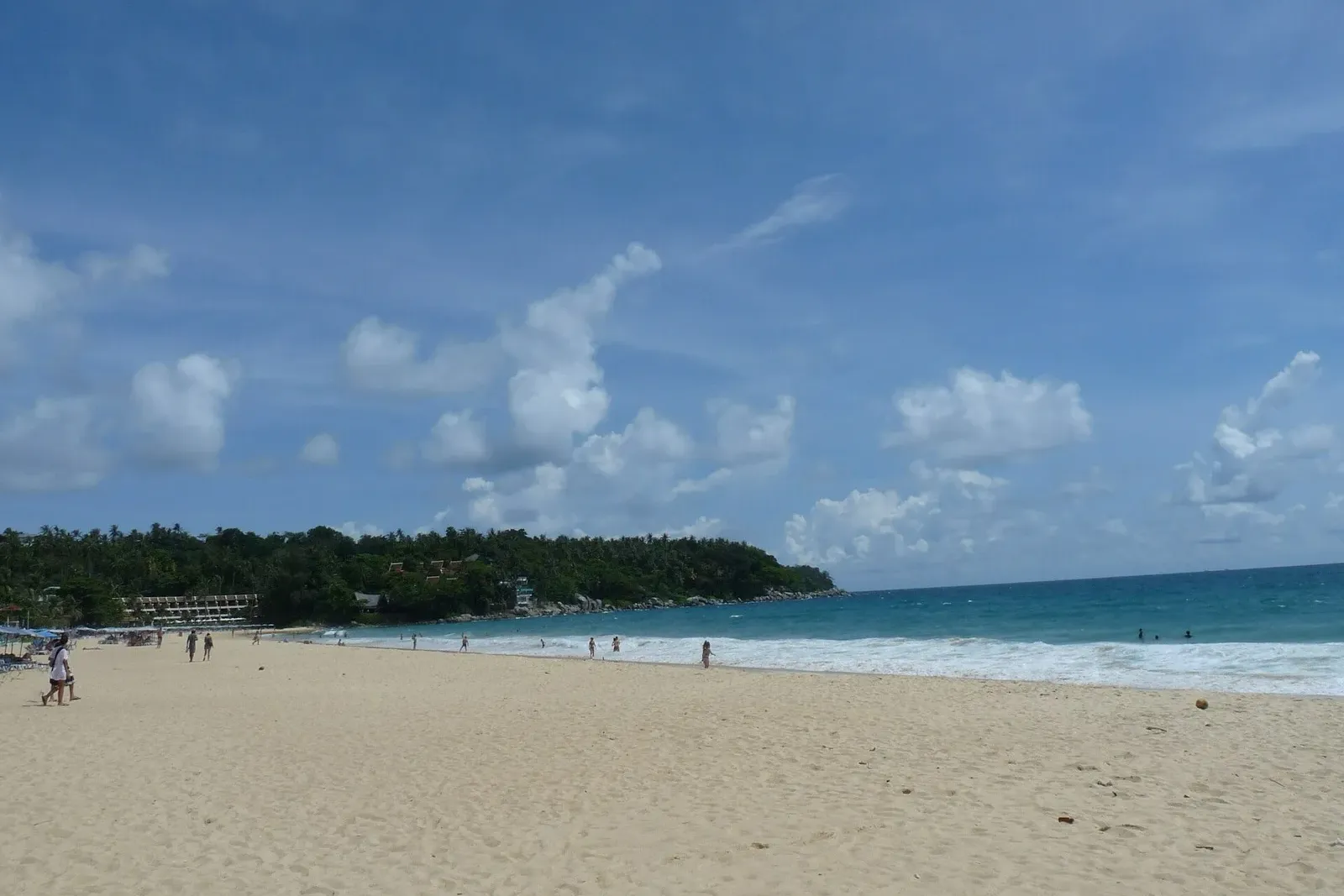
Phuket is the largest foreign-freehold condo market outside Bangkok, and it behaves a little differently from the rest of the country. Demand from overseas buyers is high, so in sought-after beachside projects the foreign quota can sell out quickly, and foreign-freehold units carry a clear premium over Thai-quota or leasehold equivalents. Many buyers here are thinking about part-time living plus rental income, using the unit for part of the year and letting it the rest, which makes location, rental demand and building management especially important.
Where you buy shapes both lifestyle and resale. The west coast beach areas, the Laguna and Bang Tao area, and the areas around Chalong and Rawai each attract different buyers and rental markets, so it pays to read up on the best areas to live in Phuket and think about where to stay in Phuket before you commit. It is also worth spending time on the island first, since many people rent before they buy, and our guides to renting an apartment in Phuket and getting around Phuket help you test an area before you own in it. If you work remotely, our guide to living in Phuket as a digital nomad covers the practical side of daily life.
Is buying a condo in Thailand a good investment?
As a lifestyle asset a Thai condo can be excellent, and as a pure financial investment it is mixed and depends heavily on the unit, the building and timing. Capital growth in Thai condos has been modest and uneven, resale can be slow because you are selling into a limited buyer pool, especially for foreign-quota units, and rental yields vary widely by location and season. A well-chosen unit in a strong location with good management can produce a reasonable rental return and hold its value, while an oversupplied building bought at a developer premium can disappoint on both fronts.
The honest framing is that a condo works best when you actually want to use it, as a home or a part-time base that also earns some rent, rather than as a hands-off investment you expect to appreciate steadily. If the numbers are your main motivation, compare buying against simply renting, because renting keeps your capital liquid and free of transfer costs. Our guides to how much you need to retire in Thailand and the wider cost of living help you weigh owning against renting for your own situation.
Living in your condo: visas, money and running costs
Owning a condo in Thailand does not give you a visa, residency or any right to stay, which surprises many first-time buyers. Ownership and immigration are entirely separate systems. You can own a freehold condo and still need a valid visa to live in it for more than a tourist stay, and you will still do your regular reporting and renewals like any other long-stay foreigner.
Most condo owners hold a long-stay visa that suits their situation. Retirees often use the Thailand retirement visa, higher-net-worth buyers look at the LTR visa or the Thailand Privilege (Elite) visa, remote workers increasingly use the Destination Thailand Visa (DTV), and those married to a Thai national may use the Thailand marriage visa. If you plan to earn income while you are here, for example by running a business rather than just letting your condo, look into the rules on starting a business in Thailand before you rely on that income. Match the visa to your life first, then buy the condo to live in, not the other way around.
When to get professional help
Use an independent Thai property lawyer for any condo purchase, and treat it as essential rather than optional. A lawyer who acts only for you will run the title search, confirm the foreign quota, review or draft the sale and purchase agreement, check the FET paperwork and represent you at the Land Office if needed. On a purchase worth several million baht, a legal fee in the low tens of thousands of baht is small insurance against a very large mistake.
Get professional help in particular when a building's foreign quota is full and someone suggests a workaround, when you are buying off-plan and the contract is heavy with developer-friendly clauses, when a lease is involved and the renewal terms matter, or when anything about the ownership structure feels unusual. Buying a condo in Thailand is genuinely accessible to foreigners, but it is still a legal transaction in a foreign country, so lean on a qualified professional and confirm the current rules with the relevant Thai authorities before you commit.
Frequently asked questions
Can foreigners buy property in Thailand?
Foreigners can buy and own condominium units in Thailand, but not land. A condo unit can be held as full foreign freehold in your own name under the Condominium Act, while houses and villas usually involve a lease or a company structure because they include land, which foreigners generally cannot own directly.
Can a US citizen buy a condo in Thailand?
Yes. A US citizen can buy and own a Thai condo on exactly the same terms as any other foreigner. Nationality does not change the rules. You still need to buy within the 49 percent foreign quota and bring the purchase money in from abroad in foreign currency to obtain the FET form for registration.
What is the 49 percent foreign quota?
Thai law limits foreign ownership in any condominium building to 49 percent of the total floor area of all units, with the remaining 51 percent held by Thais. Always confirm in writing that your chosen unit is available under the foreign freehold quota before paying a deposit, as popular buildings can sell out their foreign portion.
What is the FET form and why do I need it?
The Foreign Exchange Transaction form is the bank's proof that you brought the purchase money into Thailand from abroad in foreign currency. It is a legal condition of registering foreign freehold, so the Land Office requires it at transfer. Send the funds in foreign currency and state the purpose as buying a condominium.
How much does it cost to buy a condo in Thailand?
Beyond the price, budget for transfer taxes and fees that commonly total around 2 to 6 percent of the registered value, split with the seller by negotiation. Expect a 2 percent transfer fee, seller-side SBT or stamp duty, plus legal fees of roughly 20,000 to 50,000 THB and a smaller title-search or appraisal fee.
Are condos in Thailand leasehold or freehold?
Both exist. Foreigners can own a condo as freehold when a foreign-quota unit is available, giving perpetual ownership with your name on the title. When the quota is full, or for a lower price, a leasehold registered for up to 30 years is the alternative. Freehold is the stronger form of ownership for most buyers.
How long can you own a condo in Thailand?
A freehold condo is yours in perpetuity, with no expiry, and you can sell it or pass it to your heirs. A leasehold runs for a maximum of 30 years per registration, with renewals agreed by contract rather than guaranteed by law, so the length you effectively hold depends entirely on the lease wording.
Is buying a condo in Thailand a good investment?
It is a strong lifestyle asset and a mixed pure investment. Capital growth has been modest and uneven, resale can be slow, and rental yields vary by location. A condo works best when you actually use it, as a home or part-time base that also earns rent, rather than as a hands-off bet on rising prices.
Is it safe for foreigners to buy a condo in Thailand?
Buying a freehold condo is safe when you do proper due diligence: check the title and quota, use an independent lawyer, and bring the money in correctly. Risk rises with off-plan purchases, full-quota workarounds and nominee land structures, so those are the situations where professional advice matters most.
Sources
- Thailand Condominium Act B.E. 2522 (foreign ownership and foreign-currency requirement)
- Department of Lands, Thailand (Land Office transfer and registration)
- Bank of Thailand (foreign exchange rules)
- Siam Legal International, transferring money and the FET form
- Thailand Law Online, foreign ownership and buying real estate
- CBRE Thailand, freehold versus leasehold
- Samui for Sale, condominium transfer tax and fees
- Wise, how to buy a condo in Thailand and the FET requirement
About this guide
This guide was researched and written by the Thailand Stuff Editorial Team, who live in and cover Phuket. We research our guides against current on-the-ground prices, official sources and reputable data, and review them regularly to keep figures current. It was last reviewed in August 2026. Thailand Stuff is not a law firm, a tax adviser or a licensed financial adviser, and this article is general information, not legal or financial advice. Property law, taxes and foreign exchange rules change and are applied at official discretion, so always confirm the current requirements with the Department of Lands, the Bank of Thailand and your bank, and use an independent Thai property lawyer and a qualified tax adviser for your own purchase.
Keep reading
 News
NewsA Thai senator has proposed letting foreigners own 100% of a business in Thailand to end the nominee system. Here is what was said and what it could mean.
 Practical
The honest 2026 answer: most Thai banks reject DTV visa holders for new accounts. Why it happens, what does not work, and the real alternatives that do.
 Practical
How do tourists pay in Thailand? Compare Wise and home cards, the KBank prepaid Visa card, cash and ATM fees, honestly, with no Thai bank account needed.