
How to get a Thailand marriage visa: requirements, cost and process in 2026
The 2026 Thailand marriage visa (Non-O) explained: the 400k THB or 40k income rule, documents, the step-by-step process, extensions, cost and timeline.
Thailand Stuff Editorial Team
Researched and fact-checked against on-the-ground prices and reputable data · 4 Aug 2026 · 17 min read

How to get a Thailand marriage visa: requirements, cost and process in 2026
The Thailand marriage visa lets a foreigner who is legally married to a Thai national live in the country long-term, one year at a time, without the age limit or the higher savings that the retirement route demands. It is not a standalone stamp with a romantic name: officially it is a Non-Immigrant O visa based on marriage, followed by a one-year extension of stay that you renew each year. This 2026 guide walks through who qualifies, the 400,000 THB or 40,000 THB financial proof, the documents, the real step-by-step process, what it costs, how long it takes, and how the marriage visa differs from the retirement Non-O. We write for the many long-stay foreigners in Phuket and across Thailand who are married to a Thai partner and want to do this properly.
What is the Thailand marriage visa (Non-O based on marriage)?
The Thailand marriage visa is a Non-Immigrant O visa granted to the foreign spouse of a Thai citizen, which is then extended for one year at a time inside Thailand. The initial Non-O visa is short: embassies issue it with a validity that lets you stay up to 90 days, as the Royal Thai Embassy in London confirms for the single-entry Non-O. That 90-day entry is your runway to file the one-year "extension of stay based on marriage" at a local immigration office. So when people say "marriage visa", they usually mean the whole package: the Non-O visa plus the annual extension built on top of it.
If you have wondered whether you even need a visa after marrying a Thai partner, the answer is yes. Marriage does not grant residence by itself; it simply makes you eligible for this visa category, described by the Thai Ministry of Foreign Affairs as the Non-Immigrant "O" for family reasons. Do not confuse it with a dependent visa (used when a foreigner on a work visa brings a spouse) or with the retirement Non-O, which we compare later. If you are still weighing all the options, our overview of all our Thailand guides lays out the full visa cluster.
Who is eligible, and the genuine-marriage rule
You qualify if you are legally married to a Thai citizen and the marriage is registered, genuine and ongoing. The marriage must be officially registered, not just celebrated in a temple or a ceremony. If you married abroad, the certificate normally needs to be translated and recognised in Thailand; if you plan to marry in Thailand, you will first complete an affidavit of freedom to marry at your own embassy, a step the U.S. Embassy in Thailand sets out for American citizens, before registering at a district office (amphur).
Both foreign husbands and foreign wives can apply, though the paperwork differs slightly. A foreign man supporting a Thai wife must meet the financial test in his own name. A foreign woman married to a Thai man can also qualify, sometimes with lighter financial scrutiny at certain offices, but the rules are applied case by case. In every scenario, immigration officers look for evidence that the marriage is real and subsisting: photos together, a shared address, and your Thai spouse attending the appointment. Thin relationship evidence is one of the most common reasons an application stalls.
Financial proof: the 400,000 THB and 40,000 THB income options
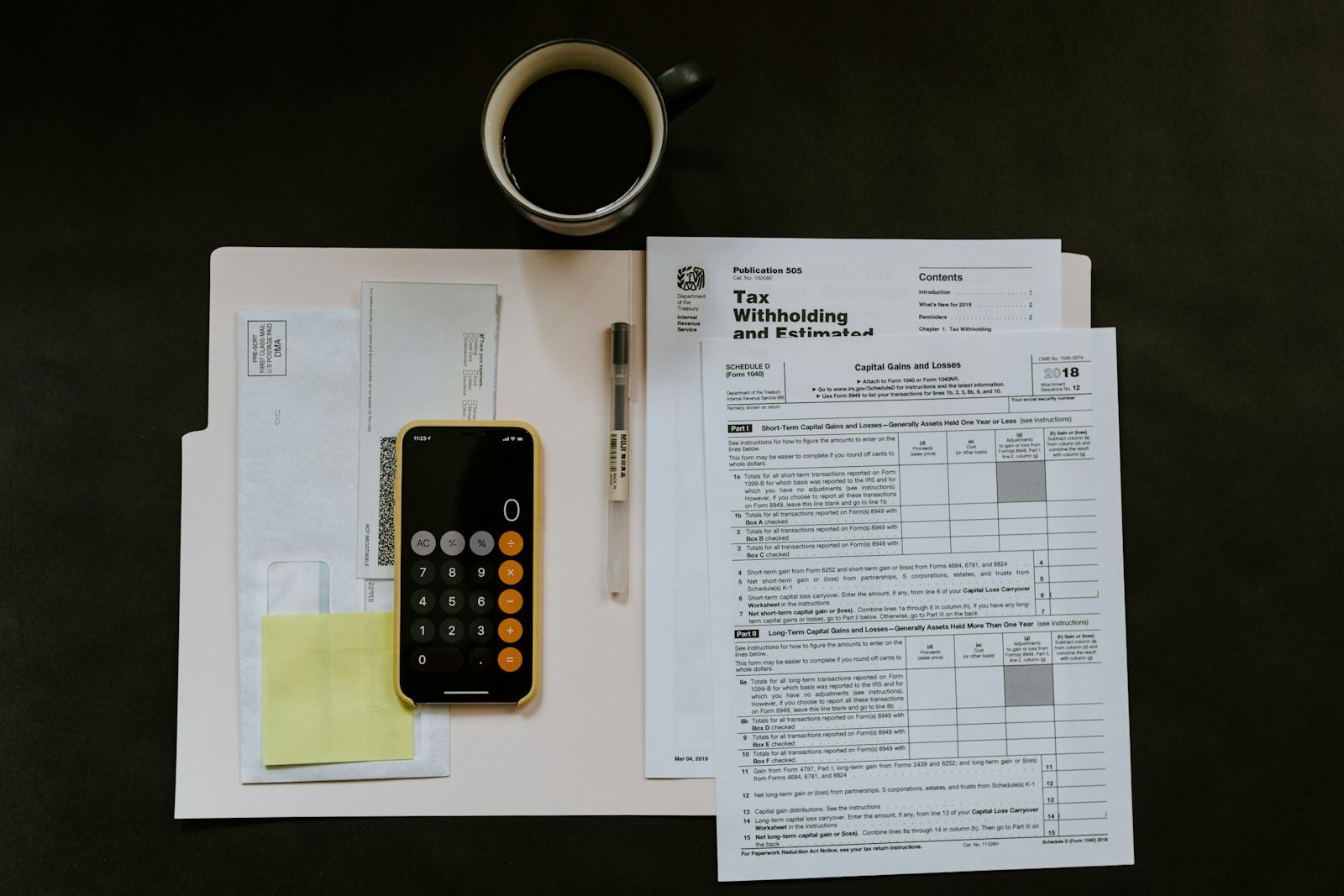
You can meet the money test one of two ways: keep 400,000 THB in a Thai bank account, or show income of at least 40,000 THB per month. These figures are far lower than the retirement route and are confirmed by Thai missions such as the Royal Thai Embassy in Singapore for the Non-Immigrant O based on a Thai spouse. You generally cannot mix and match freely at the visa-issuing stage, but many immigration offices now accept a combination method at the extension stage. Confirm with your local office before you commit to one path.
The bank-deposit method
Put 400,000 THB into a Thai bank account in your own name and leave it there so it is "seasoned". For a first one-year extension, the money must sit in the account for at least two months before you file; for every renewal after that, most offices want it seasoned for three months, and they increasingly expect it to stay above the threshold for much of the year rather than being drained the day after approval. You will need an updated bank book and a letter from the bank confirming the balance. If you do not yet have a Thai account, start with our guide to opening a bank account in Thailand, because the account has to exist before the clock starts.
The monthly-income method
Alternatively, show a steady income of at least 40,000 THB per month, usually evidenced by a letter from your embassy or by Thai bank statements showing regular foreign transfers. Some embassies no longer issue income-confirmation letters, so many applicants now rely on twelve months of transfer history landing in a Thai account. If your income arrives from overseas, it is worth understanding how remittances are treated under our explainer on foreign income and tax in Thailand before you build your paper trail.
| Method | Threshold | Seasoning | Main evidence |
|---|---|---|---|
| Bank deposit | 400,000 THB in a Thai bank | 2 months (first year), 3 months (renewals) | Bank book + bank letter |
| Monthly income | 40,000 THB per month | Ongoing (often 12 months of transfers) | Embassy income letter or transfer statements |
| Combination | Deposit + income to reach the annual equivalent | Varies by office | Both of the above |
Documents you need (the checklist)
The core paperwork covers three areas: you, the marriage, and your Thai spouse. Requirements vary a little between immigration offices, so treat this as the standard set and call ahead for local quirks. An official example is the Samut Prakan Immigration list for supporting a Thai wife, and the Thai MFA publishes a similar extension document list.
- Your documents. Passport with the Non-O visa stamp, the TM.7 extension application form, passport photos, and your departure card (TM.6) if one was issued on entry.
- Marriage documents. Your Thai marriage registration (Kor Ror 2) and marriage certificate (Kor Ror 3). A foreign certificate must be translated and legalised.
- Spouse documents. Your Thai partner's national ID card and the house registration book (tabien baan) for your address.
- Relationship and address evidence. Photos of the two of you together and at your home, a hand-drawn or printed map to your residence, and proof of where you live.
- Financial evidence. The updated bank book and bank letter (deposit method) or income letter and statements (income method).
Immigration officers frequently ask both spouses to sign forms in front of them and may photograph you together at the counter, so plan for your Thai partner to attend in person.
The step-by-step process in 2026

Getting a marriage visa is a sequence, not a single appointment. Here is the realistic order most applicants follow in 2026.
- Register the marriage. If you are not already married, complete your embassy affidavit and register at a Thai district office, or marry in your home country and have the certificate recognised in Thailand.
- Get the 90-day Non-O visa. Apply through the official Thai e-Visa portal from your home country, or, if you are already in Thailand on a tourist entry, apply to change your status to a 90-day Non-O at an immigration office instead of leaving the country.
- Set up and season your finances. Open a Thai bank account, transfer in the 400,000 THB, and let it sit for the required two months, or start building the transfer history for the income method.
- File the one-year extension. Before your 90-day Non-O stay expires, submit the TM.7 and your full document set at your local immigration office. This is the step the extension of stay based on marriage refers to.
- Wait out the "under consideration" period. Marriage extensions are usually granted with a roughly 30-day review during which officers may visit or call your home to confirm the marriage is genuine. You receive a temporary stamp covering this window.
- Collect your one-year extension. Return on the date given, and you receive a stamp permitting a one-year stay based on marriage, renewable each year at the same office.
Start early. If your tourist entry is running down, check the limits in our guide to the maximum stay on a Thailand tourist visa so you do not fall out of status before the Non-O is in your passport.
Applying from abroad vs converting inside Thailand
You have two routes to the initial 90-day Non-O, and they suit different situations. Applying from abroad through the e-Visa system is clean if you are organised before you fly: you can request a single-entry Non-O (90-day validity) or, from some embassies, a multiple-entry Non-O valid for a year of 90-day stays, as described by the Royal Thai Embassy in Washington DC. Converting inside Thailand suits couples who are already here: you enter on a tourist stamp, marry or present your existing marriage, and change your status to a Non-O without a border run. If you arrived as a visitor, our Thailand tourist visa guide explains the entry you are converting from.
Whichever route you pick, the destination is the same one-year extension of stay. The choice is about convenience and timing, not a different visa.
Cost breakdown
The government fees for a marriage visa are modest; the bigger numbers are the money you park in the bank and any agent fee you choose to pay. The visa fee for the initial Non-O is set by the issuing embassy (commonly around 80 USD for single entry), and the one-year extension of stay costs 1,900 THB at the immigration office. If you ever leave Thailand during the year, you must buy a re-entry permit first or the extension is cancelled the moment you fly out.
| Item | Typical cost (2026) | Notes |
|---|---|---|
| Initial Non-O visa | ~80 USD (single entry) | Set by the embassy; multiple-entry costs more |
| One-year extension of stay | 1,900 THB | Paid at immigration each year |
| Re-entry permit (single) | 1,000 THB | Needed for any single trip out and back |
| Re-entry permit (multiple) | 3,800 THB | Better value if you travel often |
| Document translation / legalisation | Varies | For a foreign marriage certificate |
| Agent fee (optional) | ~10,000 to 30,000 THB | Only if you use a visa agent |
The 400,000 THB is not a fee: it stays your money in your account. Budget it as locked savings rather than a cost. For a sense of what daily life around it costs, see our breakdown of the cost of living in Phuket.
How long it takes and how long it lasts
Expect roughly one month from filing the extension to holding your one-year stamp, once the finances are seasoned. The 90-day Non-O comes first and gives you up to 90 days in Thailand; you then convert that into the one-year extension of stay, which is what makes the visa a long-term option rather than a short visit. After that, the extension is renewed annually, so in practice the marriage visa can be held indefinitely as long as you keep meeting the requirements and the marriage continues. The timeline stretches if your money is not yet seasoned or if your document set is incomplete, which is why the sequencing above matters.
Keeping the visa valid: 90-day reporting, re-entry permits and annual renewal
A marriage visa comes with ongoing duties, and the easiest way to lose it is to forget one of them. You must complete 90-day reporting, notifying immigration of your address every 90 days, a requirement enforced by the Thai Immigration Bureau; our dedicated guide to 90-day reporting in Thailand covers how to do it online. You must buy a re-entry permit before any international trip, or your one-year extension dies the moment you leave. And you must renew the extension each year, before it expires, with fresh financial evidence. Miss the renewal window and you may have to restart from the Non-O stage.
Can you work on a marriage visa?
Yes, the marriage visa allows you to work, but only once you also hold a valid work permit. The visa itself gives you the right to stay; the work permit gives you the right to earn. This is a genuine advantage over the retirement visa, which does not permit employment at all. If you plan to take a job, your employer typically sponsors the permit; the mechanics sit closer to our Non-B visa and work permit guide. If you would rather run your own venture, read up first on starting a business in Thailand, since a Thai company is one common way spouses structure work legally.
Marriage visa vs retirement visa: which should you choose?
Choose the marriage visa if you are married and want lower financial thresholds or the ability to work; choose the retirement visa if you are 50 or over and want simpler, less-scrutinised renewals. The marriage route needs only 400,000 THB or 40,000 THB per month, while the retirement route needs 800,000 THB or 65,000 THB per month. The trade-off is scrutiny: marriage extensions involve genuine-marriage checks and an under-consideration period, and the visa is contingent on the marriage continuing. A retirement extension carries no such contingency and generally asks for fewer documents.
| Feature | Marriage visa (Non-O) | Retirement visa (Non-O) |
|---|---|---|
| Age requirement | None | 50 or over |
| Money in bank | 400,000 THB | 800,000 THB |
| Monthly income option | 40,000 THB | 65,000 THB |
| Can you work? | Yes, with a work permit | No |
| Marriage-genuineness checks | Yes, including home visits | No |
| Ends if marriage ends? | Yes | No |
| Paperwork volume | Higher | Lower |
Many people over 50 who are married actually run the numbers and pick retirement for the quieter renewals, keeping the marriage option in reserve. Our full Thailand retirement visa guide and our look at how much you need to retire in Thailand help you compare the real cost of the higher deposit. If neither fits, alternatives such as the Destination Thailand Visa (DTV), the Thailand LTR visa, the Thailand Privilege (Elite) visa or an education visa may suit couples who want fewer conditions.
Common mistakes and how to avoid them
Most marriage-visa problems are avoidable admin errors, not eligibility failures. Watch for these.
- Unseasoned funds. Depositing the 400,000 THB too late so it has not sat for the required two or three months. Fund the account early.
- A stale bank letter. Bank confirmation letters are often only accepted if dated within a day or two of your appointment. Get it fresh.
- Missing spouse documents. Forgetting the Thai ID, the house registration book, or your partner's attendance. Immigration wants your spouse there in person.
- Letting the 90-day stamp lapse. Filing the extension after your Non-O entry expires. File before it runs out.
- Forgetting the re-entry permit. Leaving Thailand without one and cancelling your extension by accident.
- Thin relationship evidence. Too few photos or no shared-address proof, which slows the genuine-marriage check.
Once you are settled, tidy up the rest of your admin too, such as a Thai driving licence for foreigners, which is easier to obtain once you hold a long-stay visa.
Related Thailand visa and living guides
The marriage visa sits inside a wider cluster of long-stay options and practical guides. These pair naturally with it.
| Guide | Why it helps |
|---|---|
| Thailand retirement visa guide | The main alternative for married over-50s |
| 90-day reporting in Thailand | The recurring duty every marriage-visa holder has |
| Open a bank account in Thailand | Needed before you can season the 400,000 THB |
| UK visa for a Thai partner | If you also want to bring your spouse home |
| Non-B visa and work permit | The route to working legally on your marriage visa |
Frequently asked questions
How much money do I need for a Thailand marriage visa?
You need either 400,000 THB kept in a Thai bank account or a monthly income of at least 40,000 THB. The bank deposit must be seasoned for two months before a first extension and three months for later renewals, and it stays your money rather than being a fee.
How long does it take to get a marriage visa in Thailand?
Plan on roughly one month once your funds are seasoned and documents are ready. You first receive a 90-day Non-O, then file the one-year extension, which usually includes a review period of about 30 days before the final stamp is issued.
How long can I stay in Thailand on a marriage visa?
The one-year extension of stay lets you live in Thailand for a full year at a time, and you renew it annually. In practice you can stay indefinitely as long as you keep meeting the requirements, complete 90-day reporting and the marriage continues.
Do I need a re-entry permit on a marriage visa?
Yes. If you leave Thailand without a valid re-entry permit, your one-year extension is cancelled automatically. A single re-entry permit costs 1,000 THB and a multiple permit costs 3,800 THB, so buy one before any trip abroad.
Can I work in Thailand on a marriage visa?
Yes, but you also need a separate work permit before you can legally earn. The marriage visa gives you the right to stay; the work permit gives you the right to work. This is an advantage over the retirement visa, which does not allow employment.
What is the difference between the marriage visa and the retirement visa?
The marriage visa needs only 400,000 THB or 40,000 THB monthly and allows work, but involves genuine-marriage checks and ends if the marriage ends. The retirement visa needs 800,000 THB or 65,000 THB monthly, has no work rights, but faces less scrutiny and no marriage contingency.
Can I apply for the marriage visa while already in Thailand?
Yes. If you are in Thailand on a tourist entry, you can change your status to a 90-day Non-O at an immigration office, then file the one-year extension, without leaving the country. Alternatively you can apply for the Non-O from abroad through the official Thai e-Visa portal.
Does my Thai spouse need to attend the immigration appointment?
Usually yes. Immigration officers commonly ask both spouses to sign in person and may photograph you together to confirm the marriage is genuine. Bring your spouse, their Thai ID and the house registration book to every extension appointment.
What happens if we divorce while I hold a marriage visa?
The marriage visa is contingent on the marriage, so a divorce ends your eligibility and you must switch to another visa or leave before your permitted stay expires. This contingency is a key reason some married over-50s prefer the retirement route.
Sources
- Thai Ministry of Foreign Affairs, Non-Immigrant Visa "O"
- Royal Thai Embassy, Singapore: Non-Immigrant Visa-O (Thai Spouse)
- Royal Thai Embassy, Washington DC: Non-O (Visiting Thai Family)
- Royal Thai Embassy, London: Non-Immigrant Visas
- Thai Immigration Bureau
- Samut Prakan Immigration: documents to support a Thai wife
- Thai MFA: extension of stay document list (PDF)
- U.S. Embassy Thailand: Getting Married in Thailand
- Thai e-Visa official portal
- Thailand Law Online: marriage visa Non-O essentials
About this guide
This guide was researched and written by the Thailand Stuff Editorial Team, which lives in and covers Phuket. We check our visa guides against official Thai government and embassy sources and reputable current reporting, and we review them regularly to keep figures current. It was last reviewed on 4 August 2026.
This is general information, not legal or immigration advice. Immigration rules and financial thresholds change, and individual immigration offices apply them differently, so always confirm the current requirements with the Thai Immigration Bureau, the Thai Ministry of Foreign Affairs or your nearest Royal Thai Embassy, and consult a qualified immigration professional for complex cases before you act.
Keep reading
 News
NewsA Thai senator has proposed letting foreigners own 100% of a business in Thailand to end the nominee system. Here is what was said and what it could mean.
 Practical
The honest 2026 answer: most Thai banks reject DTV visa holders for new accounts. Why it happens, what does not work, and the real alternatives that do.
 Practical
How do tourists pay in Thailand? Compare Wise and home cards, the KBank prepaid Visa card, cash and ATM fees, honestly, with no Thai bank account needed.