
Best area to live in Phuket for expats: neighbourhoods compared
Compare the best areas to live in Phuket for expats, nomads and retirees: Rawai, Bang Tao, Patong, Kata, Chalong and Phuket Town, with real 2026 rent bands.
Thailand Stuff Editorial Team
Researched and fact-checked against on-the-ground prices and reputable data · 25 Jul 2026 · 16 min read

The best area to live in Phuket depends less on which beach looks prettiest and more on how you actually plan to spend your days, but a few clear patterns hold for almost every expat. Long-stay foreigners and retirees cluster in the quiet south around Rawai, Nai Harn and Chalong. Families and higher-budget arrivals gravitate to the west-coast belt of Bang Tao, Cherng Talay, Laguna and Surin, which has become the island's 2026 lifestyle engine. Digital nomads and culture lovers lean toward Phuket Old Town, while Patong stays the pick for anyone who wants nightlife and cheap condos on their doorstep. This guide compares every major area on rent, beaches, vibe and practicality so you can shortlist the right one before you sign a lease.
Where do expats actually live in Phuket?
Most expats in Phuket settle in one of four zones: the southern residential south (Rawai, Nai Harn and Chalong), the upscale west coast (Bang Tao, Cherng Talay, Surin and Kamala), central urban Phuket Old Town, or lively Patong. There is no single best area to live in Phuket, only the area that best fits your budget, your daily routine and who you are moving with. Property agents and the resident community consistently name Cherngtalay, Rawai, Nai Harn, Chalong and Phuket Town as the areas where foreigners concentrate.
Six things separate one Phuket neighbourhood from another, and they are the lens for the rest of this guide:
- Rent and housing. What you pay, and whether you get a condo, a townhouse or a private-pool villa for it.
- Beach and setting. Whether you are on a swimmable beach, near one, or inland.
- Vibe. Sleepy and local, family-friendly, or loud and social.
- Practicality. Distance to the airport, traffic, shops, hospitals and schools.
- Community. How large and established the expat scene is.
- Who it suits. Retiree, remote worker, family or first-year arrival.
The best areas to live in Phuket at a glance
Use the table below to narrow the island down to two or three candidates, then read the section on each. Rent figures are indicative 2026 long-term asking bands for a one-bedroom condo and vary sharply with age, pool and beach proximity; always compare against current listings and the full cost of living in Phuket before committing.
| Area | Vibe | Best for | Beach | Rent (1BR condo/mo) | To airport |
|---|---|---|---|---|---|
| Rawai and Nai Harn | Local, laid-back | Retirees, long-stay expats | Nai Harn swimmable, Rawai not | ฿12,000 to 25,000 | ~50 min |
| Chalong | Practical, residential | Value, services, families | No | ฿8,000 to 18,000 | ~40 min |
| Kata and Karon | Beachy, mixed | Beach plus amenities | Yes, good | ฿12,000 to 28,000 | ~45 min |
| Patong | Loud, urban | Nightlife, convenience, budget condos | Yes, busy | ฿10,000 to 22,000 | ~40 min |
| Bang Tao, Laguna, Cherng Talay | Upscale, modern | Families, higher budgets | Yes, long | ฿18,000 to 40,000+ | ~20 min |
| Kamala | Quiet, family | Families wanting calm | Yes | ฿15,000 to 30,000 | ~25 min |
| Phuket Old Town | Cultural, urban | Nomads, culture, value | No | ฿8,000 to 18,000 | ~30 min |
| Kathu | Local, central | Budget, central base | No | ฿8,000 to 16,000 | ~35 min |
| North (Nai Yang, Thalang) | Quiet, rural | Calm, budget, near airport | Yes, empty | ฿8,000 to 18,000 | ~10 to 20 min |

Rawai and Nai Harn: the expat and retiree south
Rawai and its neighbour Nai Harn are the closest thing Phuket has to a default answer for long-stay foreigners, and they are widely regarded as the retiree heartland of the island. The pair sit on the southern tip, roughly 50 minutes from the airport, and trade beach-resort polish for a slower, more local rhythm that people actually live in rather than visit.
Who it suits
Retirees, remote workers and couples who want a settled, community-minded base and do not mind driving a scooter for everything. The expat scene here is large and established, with healthy cafes, yoga studios, dive shops, Muay Thai gyms and a famous seafood market on Rawai's seafront. It is calm without being isolated.
Rent, beaches and daily life
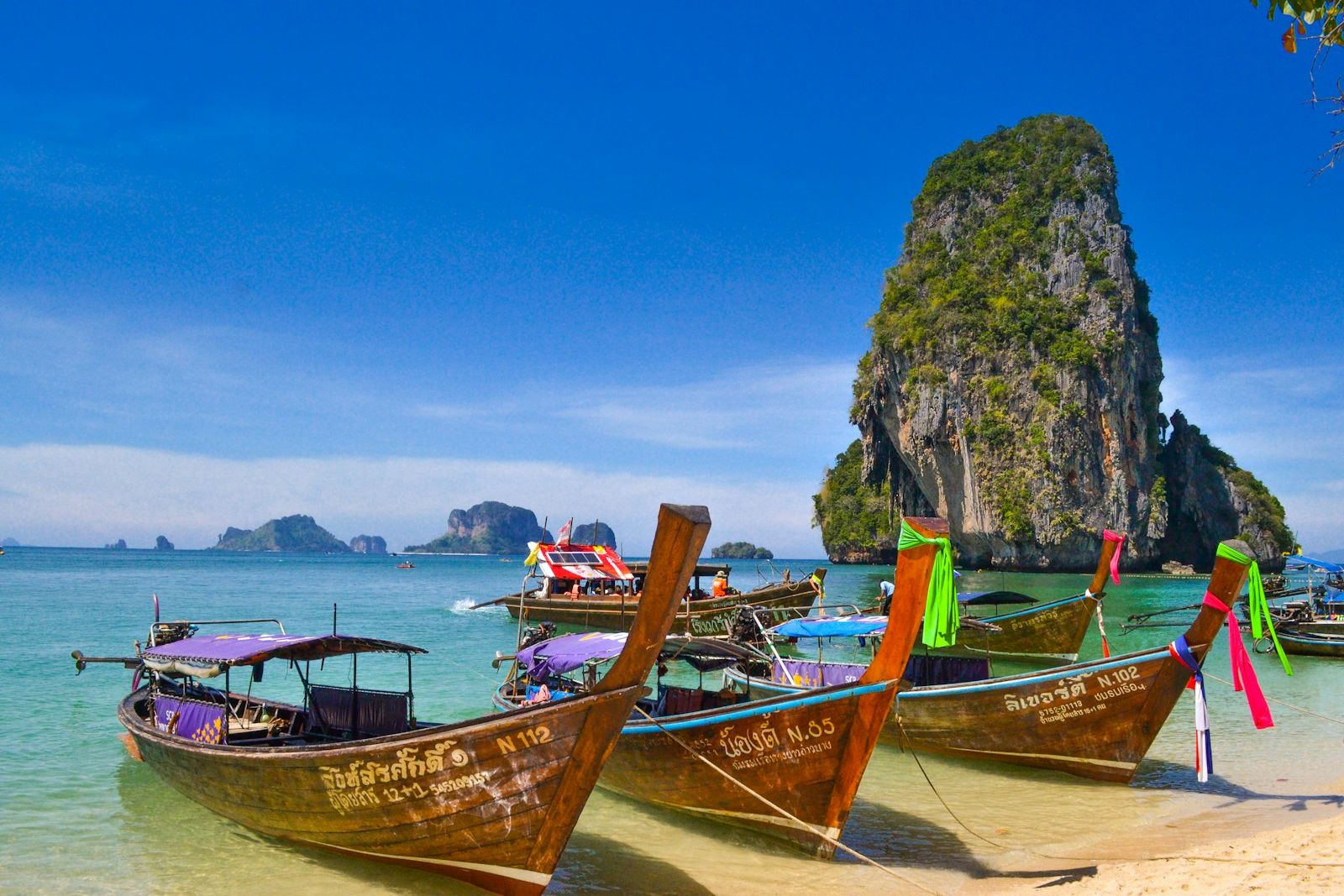
Rent runs a little higher than the island average because demand from long-stayers is strong. Well-maintained two-bedroom units typically ask between 25,000 and 45,000 THB a month, while smaller one-bedroom condos start lower. Nai Harn has one of the best swimming beaches in the south, whereas Rawai's shoreline is a launching point for longtail boats to Coral and Racha islands rather than a place to swim. Explore the businesses in Rawai and what is around Nai Harn to get a feel for daily conveniences before you visit. The main downsides are the distance to the airport and the fact that you will need your own transport.
Chalong: the practical services hub
Chalong is where you live for convenience and value rather than for a beach view. Sitting at the crossroads of the south, it is the island's administrative and services hub, home to the main Phuket immigration office where most expats renew their visas and do 90-day reporting, according to Thai Immigration.
Rent is among the cheapest of the popular expat areas, with tidy one-bedroom condos and townhouses well under 18,000 THB a month. You are close to big-box shopping, vets, international schools and hospitals, and roughly equidistant from the west-coast beaches and the south. The trade-off is obvious: Chalong is not scenic, the traffic around the circle is heavy, and a car or scooter is essential. Browse Chalong spots to see the everyday amenities that make it such a practical base.
Kata and Karon: beach life with amenities
Kata and Karon offer the best balance of a genuinely swimmable beach and full daily amenities without Patong's intensity. These two adjoining west-coast towns are tourist-and-resident hybrids, busy in the November-to-April high season and noticeably quieter in the green season.
Kata is the smaller, more relaxed of the two, popular with families, surfers and yoga fans, and it sits about 9 kilometres from Rawai, per Rome2Rio. Karon has the longer beach and more restaurants, shops and mid-range condos. Rent for a one-bedroom typically lands between 12,000 and 28,000 THB depending on how close you are to the sand. Both are a comfortable base if you want to walk to a beach and still have cafes and gyms nearby. See what is on offer around Kata restaurants and cafes and the places in Karon. The main watch-out is seasonality: prices and crowds swing hard between high and low season, so time any long lease with the best time to visit Phuket in mind.
Patong: nightlife, convenience and cheap condos
Patong is the most convenient and among the cheapest places to rent a condo in Phuket, at the cost of noise and crowds. Everything is walkable, from the beach and the malls to hundreds of restaurants and the island's biggest nightlife strip, and the airport is around 40 minutes away.
One-bedroom condos are plentiful and competitively priced, often between 10,000 and 22,000 THB a month, which is why budget-conscious arrivals and shorter-term expats often start here. The flip side is real: traffic, late-night noise near Bangla Road, and a tourist-first atmosphere that wears on some long-stayers. It suits social, city-minded people who value being in the middle of everything and do not need a car. If you are weighing it against the quieter south, the honest summary is that Rawai gives you space and calm while Patong gives you convenience and energy. Have a look at what to do in Patong to judge whether that trade works for you.
Bang Tao, Cherng Talay, Laguna and Surin: the west-coast luxury cluster
The Bang Tao area, including Cherng Talay, Laguna and neighbouring Surin, is the top choice for families and anyone with a larger budget, and in 2026 it is the most sought-after part of the island. This northwest cluster has become Phuket's lifestyle engine, drawing affluent expats, investors and families to its modern condos, private-pool villas and gated communities.
Who it suits
Families and higher earners who want new-build housing, international schools, walkable lifestyle malls and a long, clean beach. Laguna Phuket anchors the area with golf, hotels and residences, while Boat Avenue and Porto de Phuket give you Western supermarkets, restaurants and a weekly market. Several international schools sit within easy reach, including the British International School Phuket.
Rent and setting
This is the priciest mainstream expat zone. One-bedroom condos commonly ask 18,000 to 40,000 THB and up, and family villas climb well beyond that. In return you get the shortest drive to the airport of any popular area, around 20 minutes, plus modern infrastructure. Explore Bang Tao businesses and nearby Surin listings to gauge the lifestyle. The downside is cost and a sense that some pockets feel more like an upscale resort enclave than a Thai neighbourhood.
Kamala: quiet west coast for families
Kamala is the calmer, more village-like family alternative to Bang Tao, a few minutes south along the same coast. It keeps a real beach and a settled residential feel while sitting next to the exclusive stretch of headland villas known locally as Millionaire's Mile.
Rent for a one-bedroom typically runs 15,000 to 30,000 THB, below Bang Tao but above the southern budget areas. Families like it for the mix of a swimmable beach, a low-key community and quick access to the Surin and Bang Tao amenities without paying top Laguna prices. It is quieter in the evenings, which is a plus for some and dull for others. Browse listings in Kamala to see the balance of local and expat-facing businesses.
Phuket Old Town: culture, cafes and value
Phuket Old Town is the best base for digital nomads, culture lovers and anyone who wants city life on a budget rather than a beach on their doorstep. The Sino-Portuguese heart of the island, it is packed with cafes, coworking spaces, street food, galleries and weekend night markets, and it is genuinely walkable in a way beach areas are not.
Rent is among the most affordable of the desirable areas, with one-bedroom apartments often between 8,000 and 18,000 THB a month. The catch is that you are 20 to 30 minutes from the nearest beach, so it suits people who prioritise work, food and community over daily swims. The cafe and coworking scene is strong, and spots such as the Denz coworking cafe give remote workers a reliable place to plug in. If you are here on a remote-work setup, check that your visa fits your plans with the DTV visa for remote workers. Get oriented with Phuket Old Town listings before you choose a street.
Kathu: central and affordable
Kathu is the value pick for a central base, sitting in the hills between Patong and Phuket Town. It is a working Thai district rather than a tourist area, which keeps rent low, with tidy one-bedroom condos often between 8,000 and 16,000 THB a month.
You get a quick hop over the hill to Patong's beach and nightlife, easy access to Phuket Town, a large lake for morning walks, golf courses and proximity to international schools, all without paying beach-area prices. It suits budget-minded expats and remote workers who want to be central and do not need to live on the sand. Explore Kathu, where Denz is based, to see how much everyday life you can reach from here.
The quieter north: Nai Yang, Nai Thon, Mai Khao and Thalang
The northern areas are the cheapest and calmest way to live in Phuket, and the closest to the airport, in exchange for fewer amenities. Nai Yang, Nai Thon and Mai Khao line long, quiet beaches, while inland Thalang is authentic, green and budget-friendly, and home to international schools such as UWC Thailand.
Rent is low, one-bedroom homes commonly ask 8,000 to 18,000 THB, and the airport can be 10 to 20 minutes away. This is the choice for people who genuinely want peace, nature and space, or who fly often. The trade-off is that you will drive for a wider choice of restaurants, nightlife and shopping, and the expat community is thinner than in the south or the Bang Tao belt.
How much does it cost to live in each area?
A single person can live comfortably in Phuket on roughly 30,000 to 50,000 THB a month once rent, food, transport and leisure are covered, and many expats report a total budget of around 1,500 to 2,500 US dollars, according to Numbeo. Couples and families need more, mainly for larger housing and school fees. Rent is the single biggest lever, and it is where areas diverge most.
| Area | 1BR condo (per month) | 2BR or small villa (per month) |
|---|---|---|
| Chalong, Kathu, Old Town, north | ฿8,000 to 18,000 | ฿15,000 to 30,000 |
| Rawai and Nai Harn | ฿12,000 to 25,000 | ฿25,000 to 45,000 |
| Patong | ฿10,000 to 22,000 | ฿20,000 to 40,000 |
| Kata, Karon and Kamala | ฿12,000 to 30,000 | ฿25,000 to 50,000 |
| Bang Tao, Laguna and Cherng Talay | ฿18,000 to 40,000+ | ฿40,000 to 100,000+ |
On rent specifically, the popular question of whether Rawai is cheaper than Patong has a nuanced answer: entry-level Patong condos can undercut Rawai, but Rawai tends to give you more space and a residential setting for the same money, which is why long-stayers accept the slightly higher asking prices. For the full picture of groceries, utilities, healthcare and transport by lifestyle, read our detailed cost of living in Phuket guide, and if you are moving on a pension see how much you need to retire in Thailand.
How to choose the right area for you
The best area to live in Phuket comes down to your profile, so match yourself to one of these and start your search there. Each pick balances the six criteria from the top of this guide against the way that group actually lives.
- Retirees. Rawai, Nai Harn or Chalong for a settled community, healthcare access and value. Pair the choice with the retirement visa requirements.
- Digital nomads. Phuket Old Town, Rawai or Kathu for cafes, coworking, fast internet and lower rent.
- Families. Bang Tao, Cherng Talay or Kamala for international schools and modern housing, or Chalong for the same schools at lower cost.
- Nightlife and social. Patong for the strip and the crowds, Kata for a lighter beach-town version.
- Tight budget. Kathu, Phuket Old Town, Chalong or the northern areas, where rent drops fastest.
If you cannot decide, the safest first-year strategy is to rent somewhere central and flexible, such as Kathu or Chalong, then move once you know your real daily routine.
Practical tips before you sign a lease
Choosing the right area is only half the job; a good long-term rental in Phuket rewards a bit of patience. Treat the first weeks as reconnaissance rather than a rush to lock in a year.
- Rent short-term for one to three months first, in the actual area you are considering, before signing a 12-month lease.
- Visit in both high and green season if you can, because traffic, crowds and prices change dramatically.
- Time-test the commute to the places you will use most, such as a school, a gym or a coworking space, at the hours you will travel.
- Decide on a scooter versus a car early; most areas outside Patong and Old Town assume you can drive. Our guide on how to rent a scooter in Phuket and providers like the Motorbike Rental Station are a sensible first stop.
- Check real internet speeds in the unit, not the building's advertised plan, if you work online.
- Budget for deposits, usually two months of rent plus the first month up front, and read the contract's break clause.
When you want to explore an area without committing, a resort day pass is a cheap way to spend a full day in a neighbourhood and see whether it fits.

Frequently asked questions
Which is the best area to live in Phuket for expats?
There is no single best area, but Rawai and Nai Harn are the most popular all-round choice for long-stay expats and retirees thanks to their community, value and calm. Families and higher budgets favour Bang Tao, while nomads prefer Phuket Old Town.
Where do most expats live in Phuket?
Most expats live in the southern south around Rawai, Nai Harn and Chalong, the west-coast belt of Bang Tao, Cherng Talay, Surin and Kamala, and Phuket Old Town. Patong holds a large, more transient foreign community drawn by nightlife and cheap condos.
Is Rawai cheaper than Patong?
Entry-level condos in Patong can be cheaper than Rawai, but Rawai generally gives you more space and a residential feel for a similar price. For the same budget you tend to get a larger, quieter home in Rawai and a smaller, more central one in Patong.
How much money do I need to live comfortably in Phuket?
A single person can live comfortably on roughly 30,000 to 50,000 THB a month, and many expats report a total budget of around 1,500 to 2,500 US dollars. Rent is the biggest variable, so your area choice largely sets your monthly cost.
What is the cheapest area to live in Phuket?
Kathu, Phuket Old Town, Chalong and the northern areas such as Thalang and Nai Yang are the cheapest places to rent long-term, with one-bedroom homes often between 8,000 and 18,000 THB a month. They trade beach access for lower rent.
Where do digital nomads live in Phuket?
Digital nomads tend to base in Phuket Old Town for its cafes and coworking, Rawai for its community and healthy lifestyle, or Kathu for central, affordable rent. All three offer reliable internet and easy access to workspaces.
Which area is best for families with children?
Bang Tao, Cherng Talay and Kamala suit families wanting modern housing near international schools, while Chalong offers similar school access at lower cost. Proximity to a good school usually matters more than beach access for families settling long-term.
Is Phuket a safe place to live?
Phuket is generally safe for residents, and serious crime against foreigners is rare. The most common risks are road accidents, especially on scooters, and petty theft. Drive carefully, avoid quiet rural roads late at night, and secure your valuables.
Do I need a car or is a scooter enough?
A scooter is enough in walkable areas like Patong and Old Town and for solo life in the south. Families, anyone doing a long daily school run, or people in the spread-out north and west usually find a car far more practical and safer.
What area is best for retirees in Phuket?
Rawai and Nai Harn are the top choice for retirees for their established community, healthy lifestyle and value, with Chalong a practical, cheaper alternative near hospitals and immigration. All three keep you close to services without the noise of the tourist beaches.
Sources
- Numbeo, Cost of Living in Phuket
- Numbeo, Property Prices in Phuket
- Thai Immigration Bureau
- British International School Phuket
- UWC Thailand
- Rome2Rio
About this guide
This guide was researched and written by the Thailand Stuff Editorial Team, which lives in and covers Phuket. We research our guides against current on-the-ground prices, our own island listings and reputable cost-of-living data, and we review them regularly to keep figures current. It was last reviewed in July 2026.
Rent bands, budgets and visa points here are general information to help you shortlist an area, not financial, legal or immigration advice, and prices change quickly. Always verify current rents against live listings, confirm any visa requirements with official Thai government sources, and speak to a qualified professional before making a major relocation or financial decision.
Keep reading
 News
NewsA Thai senator has proposed letting foreigners own 100% of a business in Thailand to end the nominee system. Here is what was said and what it could mean.
 Practical
The honest 2026 answer: most Thai banks reject DTV visa holders for new accounts. Why it happens, what does not work, and the real alternatives that do.
 Practical
How do tourists pay in Thailand? Compare Wise and home cards, the KBank prepaid Visa card, cash and ATM fees, honestly, with no Thai bank account needed.